28 October 2026, 15:10
Loading...
China dominated new coal power plant installations last year

Libor Láník
16 April 2024, 10:43
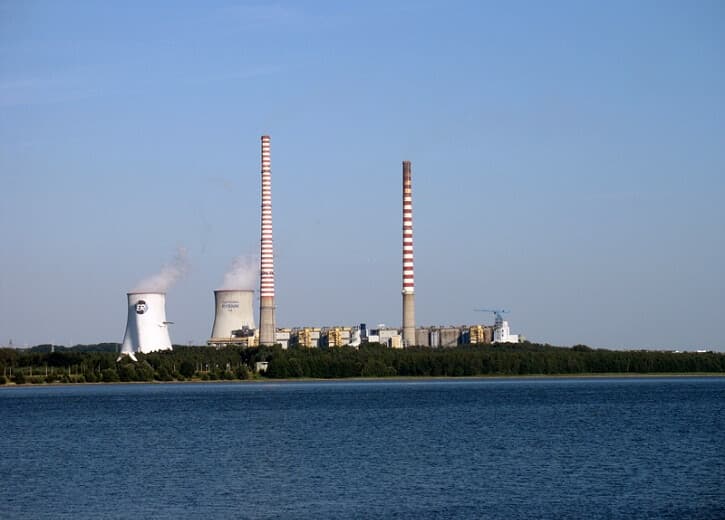
While the rest of the world is reluctant to build new coal-fired power plants, China’s coal sector grew by around 48 GW of new installed capacity last year. In terms of new construction launched last year, China was even twenty times ahead of the rest of the world, according to a Global Energy Monitor report. China is thus pursuing its 30/60 decarbonization plan, under which it will peak its emissions in 2030 and achieve carbon neutrality in 2060.
Coal remains an exceptionally important energy source for China, which is one reason it receives substantial government support. In concrete terms, coal accounted for more than half of all electricity supplied last year. There are several reasons for this, but the main fact remains clear: generating electricity from coal is profitable for China. Put simply, the price of electricity generated in China remains positive after taking the cost of emissions allowances under the ETS into account.
A second driving factor is that China has some of the largest coal reserves in the world, unlike its reserves of less emissions-intensive commodities such as natural gas. Coal therefore remains extremely important to China’s energy security.
In contrast to its position as a leader in coal, it is important to note that China is also making its mark in renewable energy (RES). This may give the impression to some extent that China is not yet in a transition phase, but is adding renewables alongside coal. Globally, however, it is proceeding in line with the aforementioned 30/60 plan.
This plan is a key step in responding to global climate change and also provides a significant impetus for transforming the Chinese economy towards more sustainable development. Under the plan, China has committed to gradually mobilizing all its resources to meet the commitments of the world’s largest carbon emitter. The plan is also part of broader socio-economic development that places emphasis on decarbonization.
Finally, it is worth noting that the plan sets targets not only for the energy sector but also for industry and transport through individual action plans. The strategy known as “1+N” provides an overarching framework, with “1” referring to a single set of overarching guidelines for N different policies.
The idea of the “1+N” climate policy framework was first made public at a meeting of the National Development and Reform Commission (NDRC) in March 2021, followed by an official announcement by the NDRC at a briefing for domestic and international media.
Translation disclaimer
This article is a machine translation of the Czech original and has not yet been fully reviewed. In case of any doubt, please refer to the Czech version.
Sdílejte článek prostřednictvím:
You might also like

28 October 2026, 13:08

28 October 2026, 11:10
28 October 2026, 09:08