4 November 2026, 14:17
Loading...
LEAG optimistic about operating its German lignite mines beyond 2030

Eduard Majling
13 December 2023, 14:18
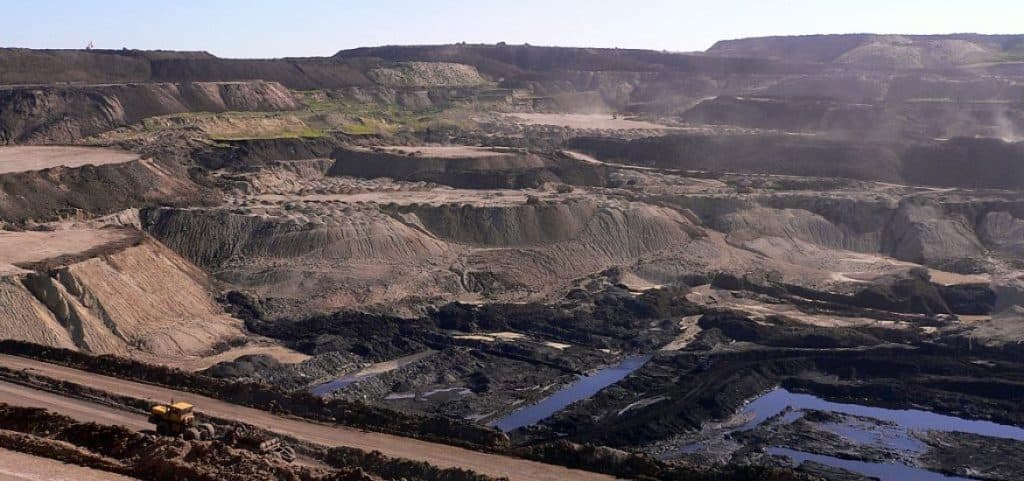
German energy company LEAG is optimistic that it will continue mining lignite into the next decade. The German government is seeking to bring forward the phase-out of coal-fired power plants to 2030, but faces opposition from the regions where coal is mined.
LEAG CEO Torsten Kramer told Clean Energy Wire (CLEW) that the company is very optimistic about continuing to mine coal in the region into the 2030s. The German government is seeking to end coal mining in 2030, 8 years earlier than originally approved in the timetable.
According to the news service, state premiers in the coal-mining regions have repeatedly rejected these plans. Local governments say bringing forward the end of coal use is impossible because their states do not yet have alternative energy sources or economic resources.
Just a year ago, Kramer told CLEW that he could envisage the company becoming independent of coal mining in 2033. This would, however, depend on ensuring security of supply and connecting gas-fired power plants capable of burning hydrogen at four sites in Lusatia and Central Germany, where the company operates its lignite-fired power plants.
Since this has yet to happen, the plan to phase out coal by 2038 remains on the table. A week ago, North Rhine-Westphalia premier Hendrik Wüst also voiced doubts about bringing forward the coal phase-out from 2038. He said the state’s 2030 coal phase-out target was at risk unless concrete steps were taken quickly to ensure the construction of new gas-fired power plants.
The company’s future is green
Like many other companies in the sector, LEAG plans to shift its focus to renewable energy. Kramer said the company is already taking major steps and has completed plans to build solar and wind farms.
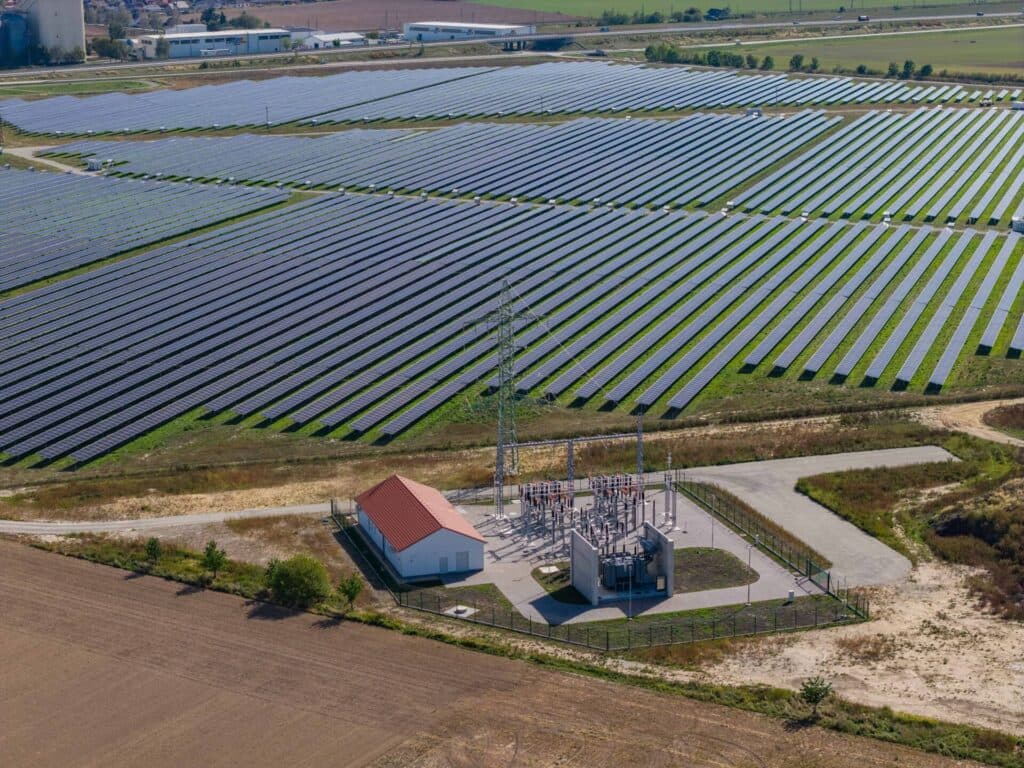
It plans to begin construction next year on its first large-scale solar power plant, with an installed capacity of 1 GW. By 2030, it aims to build up to 7 GW of solar and wind power plants, mainly at former mine sites. This figure is expected to double by 2040.
Translation disclaimer
This article is a machine translation of the Czech original and has not yet been fully reviewed. In case of any doubt, please refer to the Czech version.
Sdílejte článek prostřednictvím:
You might also like

4 November 2026, 12:34
4 November 2026, 09:09