War in Iran and expensive LNG are driving Asian countries back to coal

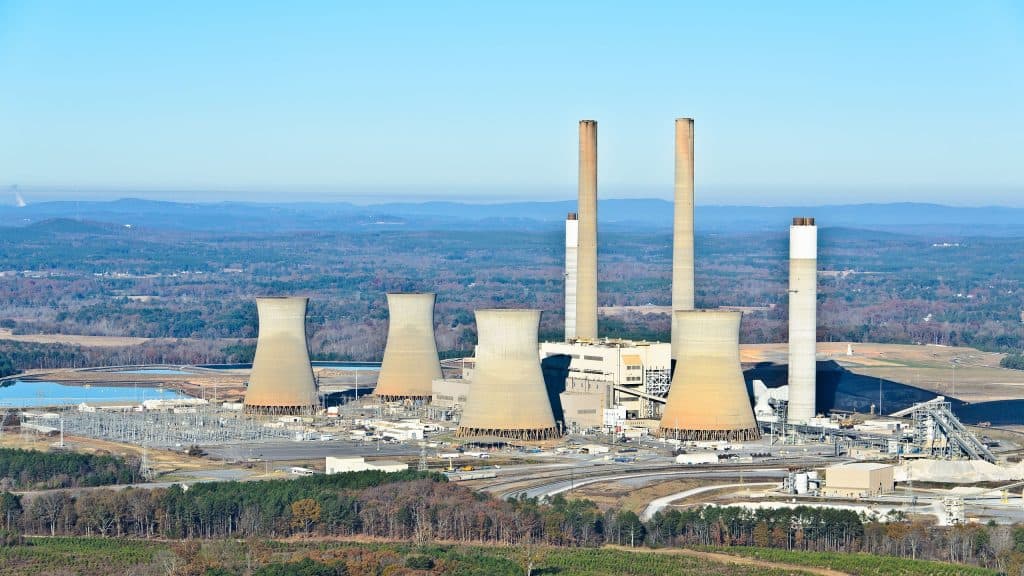
The geopolitical crisis in the Middle East is changing the energy strategies of Asian countries. The outbreak of war in Iran and instability in the Strait of Hormuz have led to a sharp rise in liquefied natural gas (LNG) prices on the global market. Gas has consequently become less economically attractive for emerging economies, which could lead them to return to coal-fired power.
Vietnam has officially announced that it is considering increasing coal’s share of its energy mix at the expense of LNG, which had originally been planned. The country planned to build 22.5 GW of gas-fired power capacity by 2030, but administrative delays and a lack of investor interest mean it has so far achieved only 7.3% of that target.
Electricity consumption in Vietnam rose by almost 10% in the first half of 2026, according to Reuters, and state-owned utility EVN is betting on reliable power sources. Coal currently accounts for more than 54% of the country’s electricity generation.
Regional shift away from gas
The closure of shipping routes in the Persian Gulf, which carried a fifth of global LNG supplies, and damage to an export terminal in Qatar have affected the entire region.
India and Bangladesh are cutting LNG imports because of high prices and keeping coal-fired power plants—intended as backup sources—fully operational. South Korea has eased environmental regulations for coal-fired units, while Japan is extending the operating lives of older coal-fired power plants to stabilise the grid.
China is responding to disruptions in LNG imports by increasing domestic coal production. According to the International Energy Agency (IEA), China accounts for 70% of global investment in the coal sector, which has reached a 14-year high this year.
While Europe replaced lost Russian gas supplies with LNG purchases in 2022, the current blockade of exports from the Persian Gulf has no immediate solution. For Asian countries, coal is a more affordable and secure option because it is cheaper and often domestically produced, particularly in China.
Translation disclaimer
This article is a machine translation of the Czech original and has not yet been fully reviewed. In case of any doubt, please refer to the Czech version.