3 October 2026, 13:01
Loading...
Australian coal mines get until 2045, still awaiting federal approval

Libor Láník
3 October 2026, 13:01
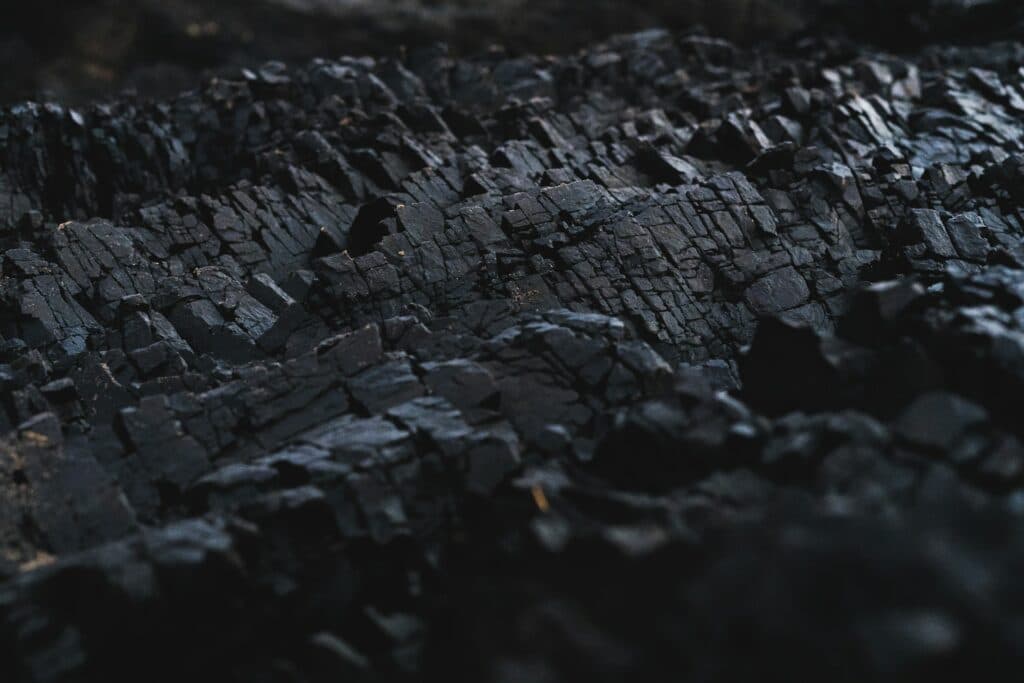
Two years ago, the operators withdrew their application to extend operations at Australia’s Hunter Valley Operations coal mines. As local media predicted at the time, this did not necessarily mean the end of the project. New South Wales has now approved the continuation of mining, but it does not yet have the final say, The Guardian reports.
On 30 September, the Independent Planning Commission of New South Wales approved the continuation of mining at the HVO North and HVO South mines near the town of Singleton. Under the revised proposal, mining at the northern mine is to continue until the end of 2045, and at the southern mine until the end of 2042. It is the largest coal project the commission has assessed to date.
Hunter Valley Operations is a joint venture between Yancoal and Glencore. In our article from October 2024, we reported on the withdrawal of the application at the time, which envisaged mining until 2050. The company said the move was due to the need for further changes to the project. The possibility of trying again to extend operations therefore remained open.
Another two decades of mining and over 800 million tonnes of CO2
The newly approved plan has a shorter timeframe, but still means almost two more decades of mining for the region. Under the approved proposal, the operators plan to extract approximately 429 million tonnes of coal from the two mines. Coal from Hunter Valley is mostly exported.
The commission acknowledged that emissions associated with the project will contribute to climate change in the region and around the world. According to an estimate submitted during the project assessment, approximately 809 million tonnes of CO₂ equivalent will be emitted over the project’s lifetime, mostly from burning the exported coal. The commission nevertheless concluded that the benefits for jobs, local businesses and public revenue outweigh the climate impacts. According to HVO, continued operations will secure jobs for around 1,500 people.
Approval comes with conditions. The operators must draw up plans to reduce emissions from mining operations and address emissions associated with exported coal. They must also show how they will limit exports to countries without emissions policies aligned with the goals of the Paris Agreement. The New South Wales government welcomes the decision as support for jobs, while climate groups argue that the economic benefits cannot justify emissions on such a scale.
“This can only be described as a catastrophic failure of the New South Wales planning system to protect the state’s residents from the worst impacts of global warming,”said Georgina Woods, an Australian campaigner with the Lock the Gate Alliance.
So, while in 2024 the debate was about whether withdrawing the application to extend mining was a tactical retreat or the real end of mining, it now seems to have reached a conclusion. Not the mining, but the debate. The decision is still not final, however. The project still needs environmental approval from the Australian federal government, which the operator expects by the end of this year.
Translation disclaimer
This article is a machine translation of the Czech original and has not yet been fully reviewed. In case of any doubt, please refer to the Czech version.
Sdílejte článek prostřednictvím:
You might also like
3 October 2026, 07:43

2 October 2026, 21:55

2 October 2026, 15:14