EIA: Fuel prices may remain high even after shipping resumes through the Strait of Hormuz


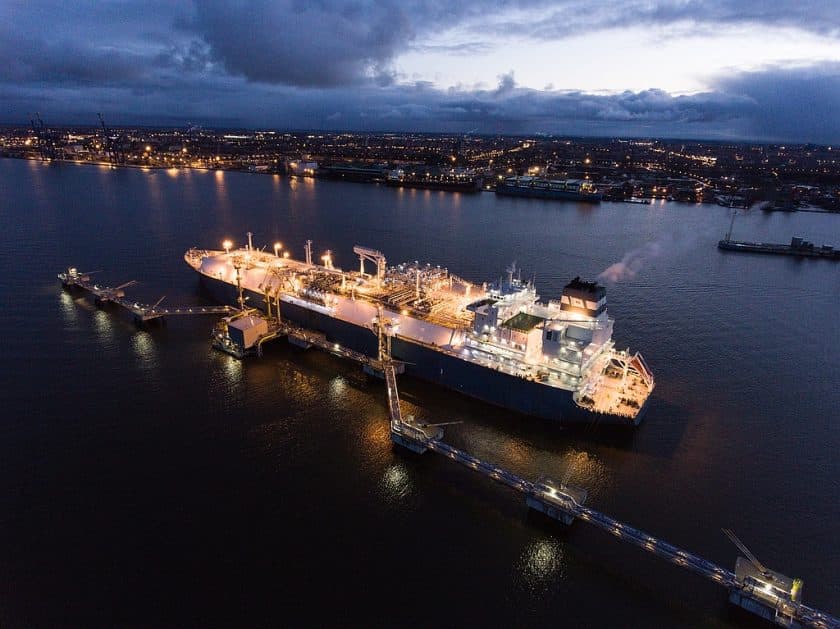
The disruption to oil and liquefied gas supplies from the Persian Gulf in recent weeks has kept fuel prices at multi-year highs. From a market perspective, reopening the Strait of Hormuz is therefore a key step, as only a fraction of the previous number of tankers is currently passing through it. However, according to a U.S. government agency, even the resumption of energy commodity shipments through the strait may not lead to a rapid drop in prices. A full recovery in supplies could take many months.
The war between the United States, Israel and Iran began more than a month ago, and it is still unclear when it will end. The war is having a major impact on energy commodity prices, as supplies have been disrupted on an unprecedented scale. Around a fifth of global oil and liquefied natural gas (LNG) supplies normally flow from the Persian Gulf.
According to U.S. President Donald Trump, the price shock is temporary and oil prices will fall again once the war ends. The U.S. Energy Information Administration (EIA), a government agency under the U.S. Department of Energy, does not share this view. It said, according to Reuters, that it will take months for oil supplies from the Persian Gulf to fully recover, keeping fuel prices elevated.
"Just as we have never before seen the strait close, we have also never seen it reopen. Exactly what that will look like remains to be seen. For the entire forecast period, we are factoring in a risk premium on oil prices, as we expect uncertainty about future supply disruptions to keep prices above pre-conflict levels," the U.S. government agency said, according to Reuters.
Given the loss of a significant share of oil supplies to the market, the agency lowered its forecast for growth in global oil demand. EIA now expects global consumption to grow by around 600 thousand barrels per day this year, half its previous estimate. According to the agency, total consumption of oil and petroleum fuels is therefore expected to average 104.6 million barrels per day this year. EIA expects consumption growth to accelerate again only next year, to 1.6 million barrels per day.
Translation disclaimer
This article is a machine translation of the Czech original and has not yet been fully reviewed. In case of any doubt, please refer to the Czech version.