14 September 2026, 15:42
Loading...
Five EU countries call for windfall tax on energy companies, Reuters reports

oEnergetice.cz, ČTK
4 April 2026, 16:27
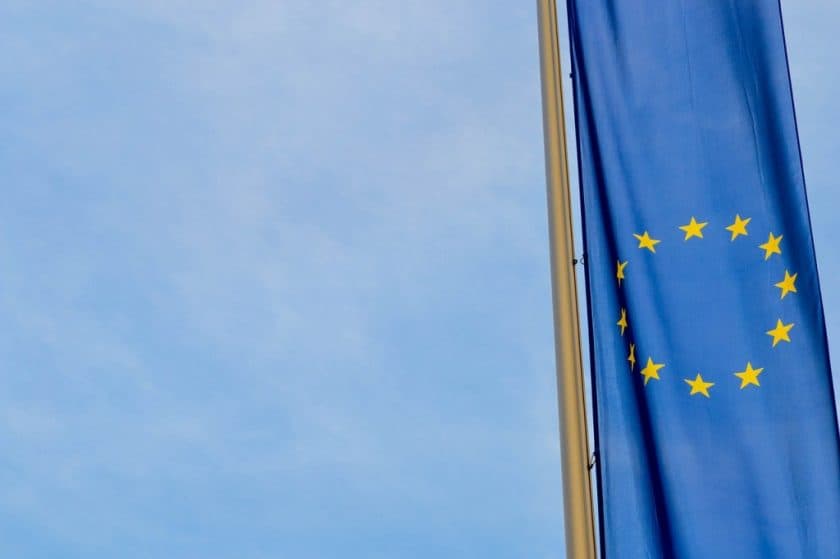
Five European Union countries are calling for the introduction of a windfall tax on energy companies’ profits. The move responds to rising fuel prices caused by the war in Iran. Reuters reported this, citing a letter from the finance ministers of the countries addressed to the European Commission (EC), which it has seen.
The finance ministers of Germany, Spain, Italy, Portugal and Austria called in a joint letter for the tax to be introduced across the EU. Such a measure could help fund support for consumers facing high energy prices without placing an additional burden on public budgets, and could also signal that the EU is united and able to act, the letter said.
Oil prices have risen sharply since US-Israeli attacks on Iran began on 28 February. This has triggered a price shock similar to the energy crisis Europe experienced after Russia’s invasion of Ukraine in 2022, although countries now have more renewable energy.
In the letter addressed to EU Climate Commissioner Wopke Hoekstra, the ministers pointed to a similar tax introduced in 2022 to address high energy prices. Given the current market situation, the EC should swiftly develop a similar EU-wide instrument, they said. However, the letter provides no details on how high the tax should be or which companies it should apply to.
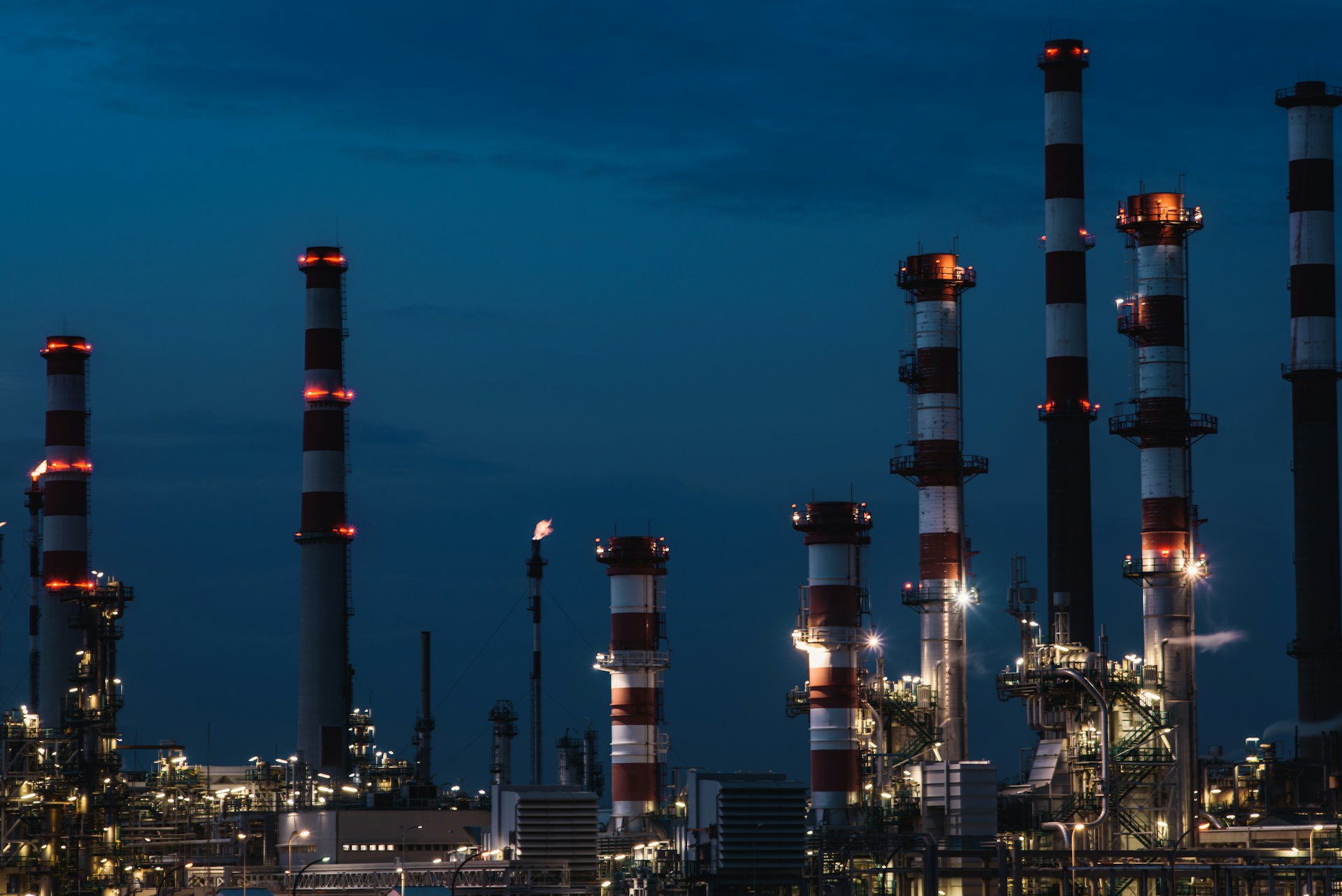
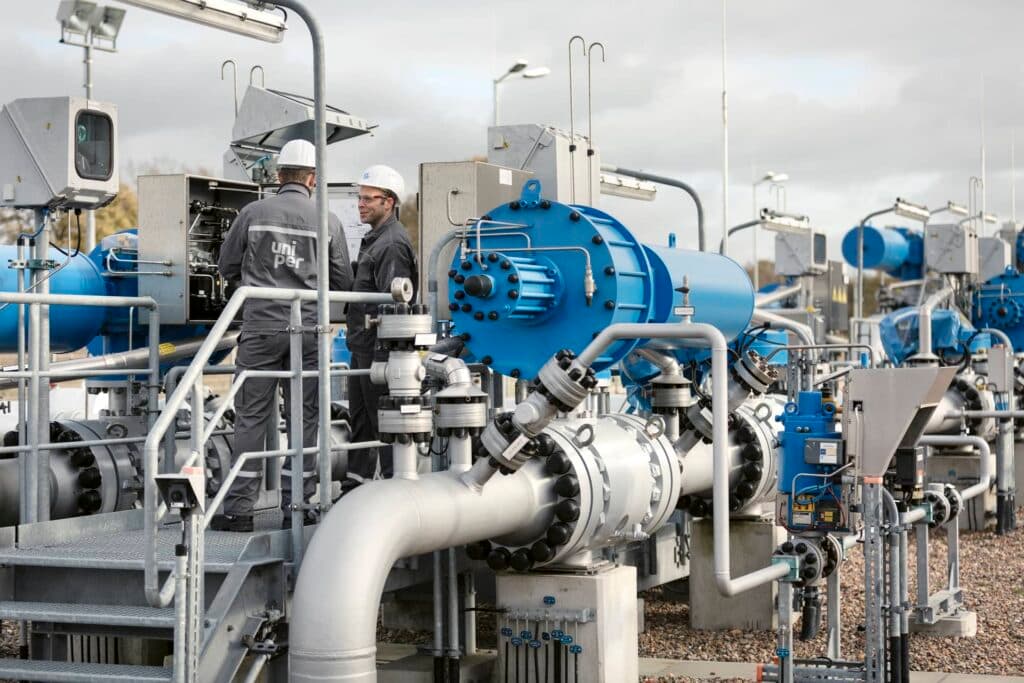
Oil processing. Source: Unsplash
However, the German Fuels and Energy Association, which represents refineries and filling stations, said the impression that companies are profiting unjustifiably is mistaken. In its view, there is no reason to introduce a windfall tax.
EU Energy Commissioner Dan Jörgensen said on Tuesday that he is considering reinstating measures introduced during the 2022 energy crisis, including proposals to cap grid connection charges and electricity taxes. In 2022, following cuts to Russian gas supplies, the EU introduced a package of emergency measures. These included an EU-wide gas price cap, a windfall tax on energy companies’ profits and targets to reduce gas consumption.
Due to its dependence on fuel imports, Europe is strongly feeling the impact of the Middle East conflict on global energy prices. Gas prices in the region have risen by more than 70 percent since the start of the US-Israeli war with Iran. Jörgensen said Brussels is particularly concerned in the short term about supplies of refined petroleum products, such as jet fuel and diesel.
Translation disclaimer
This article is a machine translation of the Czech original and has not yet been fully reviewed. In case of any doubt, please refer to the Czech version.
Sdílejte článek prostřednictvím:
You might also like
14 September 2026, 13:46
14 September 2026, 11:30

14 September 2026, 10:47