
28 October 2026, 15:10
Loading...
Russia's access to oil revenues becomes more complicated as banks fear sanctions

Eduard Majling
4 April 2024, 06:32
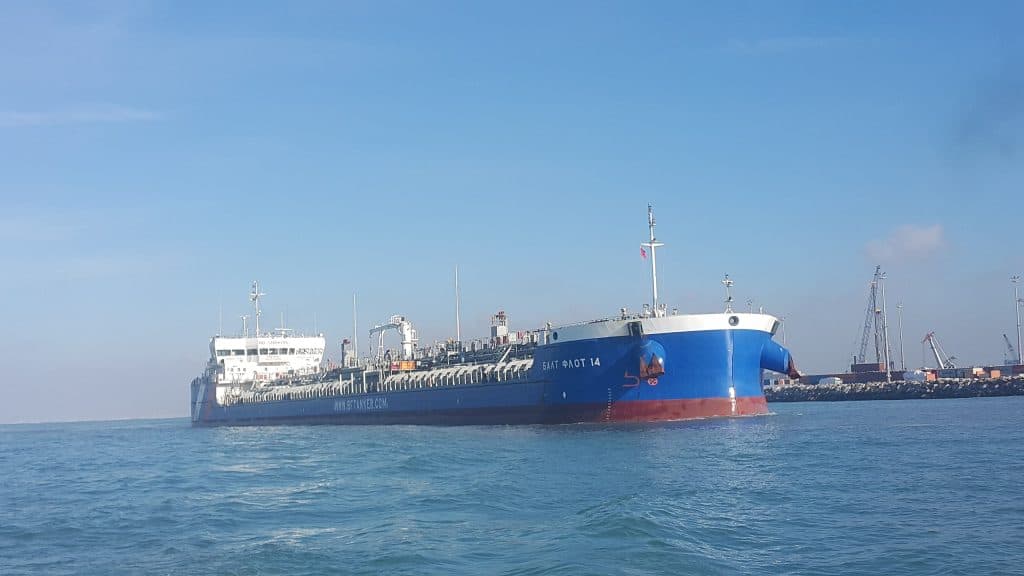
Russian oil exporters have faced further complications in recent months after the United States tightened sanctions at the end of last year. According to Reuters sources, Russian oil companies now have to wait up to several months to receive payment for oil sold to China, Turkey and the United Arab Emirates. Banks in those countries have tightened their procedures for releasing funds or even frozen several accounts amid fears of secondary sanctions.
After some traditional buyers of Russian oil banned imports of the commodity, Russian exporters began turning to new markets. India, China, Turkey and others, including countries in the Middle East, have largely replaced demand for Russian oil from the United States, the United Kingdom and most EU countries. At the end of 2022, the G7 countries, together with the EU and Australia, also introduced a price cap on Russian oil. Since most countries no longer buy Russian oil, the cap is enforced through Western oil shippers and insurers.
Russian exporters have managed to redirect their exports to other markets, but not without paying a price. Even before the price cap was introduced, they had to offer their output on the global market at a substantial discount. This was necessary to compensate buyers for the increased risk of potential sanctions. In recent months, however, further sanctions have made it harder for Russia to export oil and, in particular, to access the proceeds from its sale.
"The problems returned in December after banks and companies realised that the threat of US secondary sanctions was real," a source in the trading sector told the agency.
According to Reuters sources, banks in China, Turkey and the United Arab Emirates have stepped up scrutiny of transactions in recent weeks. Eight sources in banking and trading told the agency that the tighter scrutiny had resulted in delays or even blocked transfers of money from these countries to Russia. Banks have reportedly begun asking their clients for written guarantees that no entity on a sanctions list was involved in the transaction. The recipient of the funds from these transactions must likewise not be a sanctioned entity.
Delays lasting up to months
According to information from two Reuters sources, two banks in the United Arab Emirates froze several accounts suspected of being linked to trade in Russian commodities. Four sources said other banks in the Emirates, China and Turkey were still processing payments, but the process was taking weeks or months. The banks either did not respond to the agency's questions or declined to comment. According to another source, the delays affect not only transactions in dollars but also direct deals in yuan and roubles.
Kremlin spokesman Dmitry Peskov confirmed the problematic situation, Reuters reported, after being asked about delays in payments from China.
"Of course, the unprecedented pressure from the United States and the European Union on the People's Republic of China continues. This is naturally causing some problems, but they cannot become an obstacle to the development of our trade and economic relations," Peskov said, according to Reuters.
Translation disclaimer
This article is a machine translation of the Czech original and has not yet been fully reviewed. In case of any doubt, please refer to the Czech version.
Sdílejte článek prostřednictvím:
You might also like

28 October 2026, 13:08

28 October 2026, 11:10

28 October 2026, 09:08
