25 November 2026, 15:31
Loading...
Russia's seaborne oil exports fell to a two-year low in December, hit by sanctions

Eduard Majling
5 January 2023, 14:42
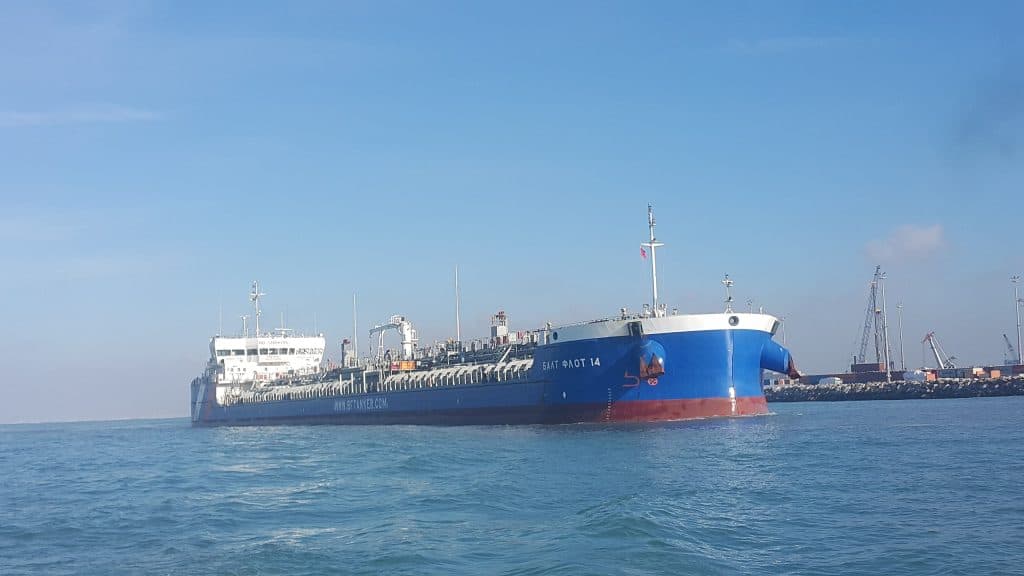
Russian oil exports by tanker plunged to a two-year low at the end of last year after the EU’s ban on seaborne imports of Russian oil entered into force and the G7 and EU introduced a price cap on Russian supplies. Russia must therefore continue to reroute oil tankers to other markets, while it remains uncertain whether the country will have access to enough tankers that it can use despite the G7 price cap.
After Russian natural gas exports through pipelines to Europe declined last year, Russian oil exports also began to fall. According to data from S&P Global Commodities at Sea, Russia loaded an average of 2,65 million barrels of oil per day (bpd) onto tankers in December, a 14% decline compared with the previous month.
The volume of oil flowing into Russian export ports was negatively affected both by the EU ban on importing Russian crude by tanker and by the introduction of a price cap of 60 dollars per barrel (USD/bbl) on Russian seaborne oil, which EU and G7 countries enforce through the transport and insurance of oil. The Russian president responded to the price cap by banning oil exports to countries that apply it.
Translation disclaimer
This article is a machine translation of the Czech original and has not yet been fully reviewed. In case of any doubt, please refer to the Czech version.
The article continues for subscribers
Premium content
The rest of this article is available to premium subscribers only. Get access to all premium articles on oEnergetice.cz.
You have read only 36% of the article — unlock the remaining 64% with a premium subscription.
Best value: annual subscription
Monthly option 4 € / month
3.25 €/ month
You might also like

25 November 2026, 11:11


25 November 2026, 07:20