Ministry launches first renewable energy auctions, 42 MW to be built by end-2025

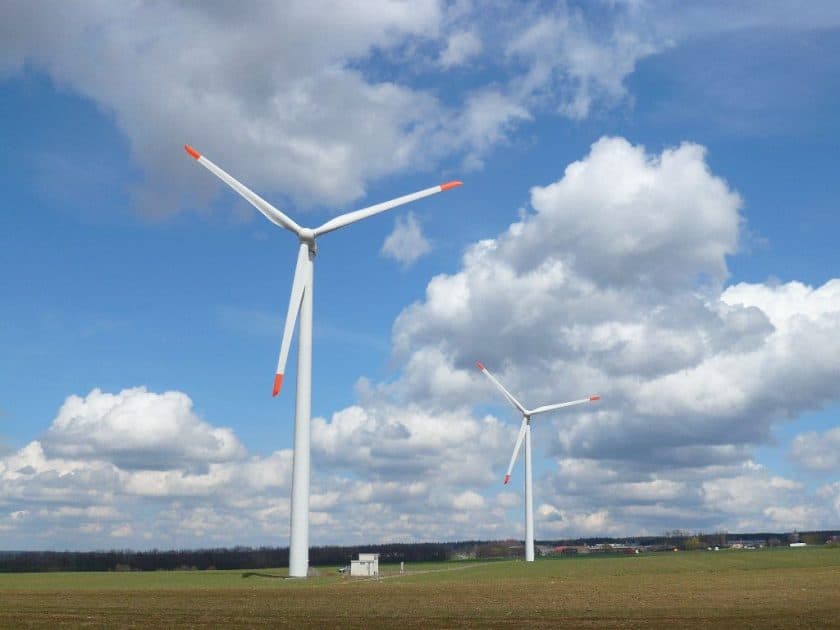
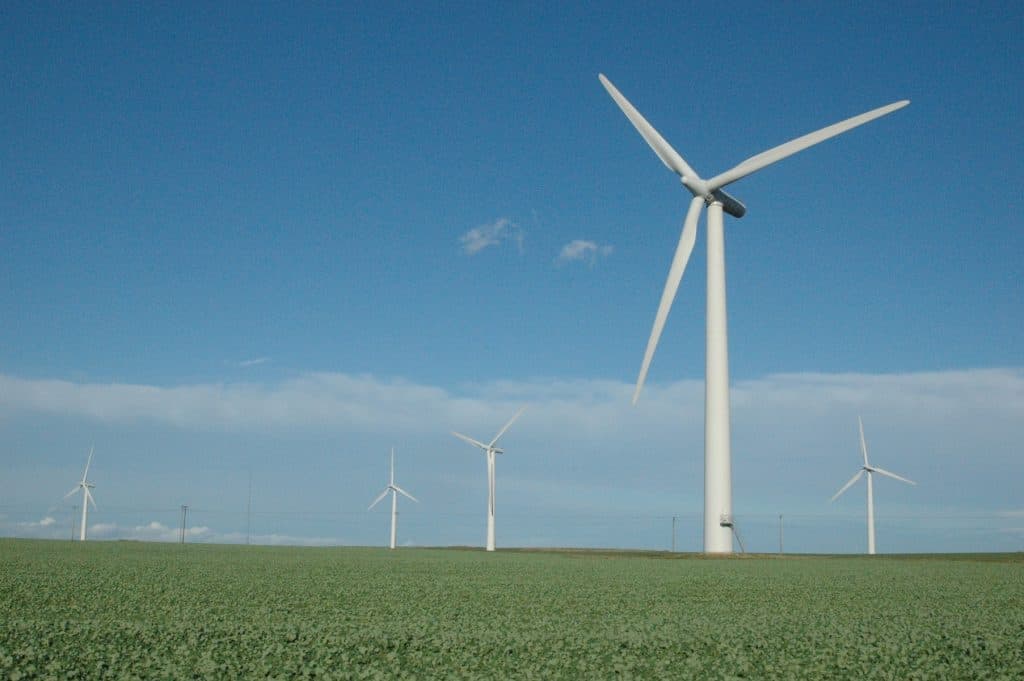
At the start of this week, the Ministry of Industry and Trade published calls for bids for support for electricity from renewable sources. Bids will be sought for support for the construction of 30 MW of new wind power plants, 7 MW of new and modernised small hydropower plants, and the modernisation of 5 MWe of power plants using biogas. Bids must be submitted by 7 December 2022.
After a number of years in which support for renewable energy sources in the European Union has been allocated through auctions, the Czech Republic has now followed suit, announcing three separate auctions to support electricity generation from renewable sources. A total of 42 MW will be auctioned, to be commissioned (or modernised) by the end of 2025.
Under the Act on Supported Energy Sources, auctions are generally intended for generating plants with higher installed capacity – above 6 MW or six wind turbines in the case of wind power plants, while the threshold for other sources is 1 MW of installed capacity.
Competition for the lowest so-called reference auction price
The winners of the auction, and thus the recipients of support, will be determined by the amount of support requested (the law refers to the so-called reference auction price; see further details below). Each auction participant must state its reference auction price in its bid.
Section 10c(5) of the Act on Supported Energy Sources: "The Ministry shall rank bids that have met the requirements in ascending order according to the offered reference auction price ... Based on the total value of the installed capacity being auctioned, as specified in the auction announcement, the Ministry shall determine which bids have succeeded in the auction." .
If an auction participant wins, the market operator does not pay them the reference auction price directly, but rather a so-called auction premium, which is the difference between the reference auction price and the price on the day-ahead electricity market. Support for renewable sources in an auction is therefore guaranteed in the form of a so-called contract for difference.
The producer is always guaranteed to receive the price requested in the auction for the electricity generated, as it receives the price from selling electricity on the day-ahead market plus an auction premium that makes up the difference to the reference auction price.
However, the contract for difference also works in reverse: if the day-ahead market price is higher than the reference auction price, the producer is obliged to return the difference between the day-ahead market price and the level of support requested in the auction (the reference auction price) to the market operator.
Section 11(8) of the Act on Supported Energy Sources: "In the case of ... an auction premium, where a higher hourly price than the reference auction price is achieved, no entitlement to support arises for that hour and the producer is obliged to pay the difference between the hourly price and ... the reference auction price to the market operator."
These are the last auctions this year, with solar absent
These are the only auctions scheduled for this year. Each year, the government specifies the volume of supported capacity for the following three years through a government regulation; the current one is Government Regulation No. 189/2022 Coll.
Next year, auctions should also cover higher installed capacity for wind power plants (60 MW in total), the modernisation of electricity generation plants using secondary energy sources (13.8 MW), and support for electricity generation from high-efficiency combined heat and power production (500 MW of new capacity and 30 MW of modernisation).
The government regulation does not envisage support for solar power plants being offered through auctions (or green bonuses), which has been the subject of frequent criticism.
Indeed, the auctions themselves have often been criticised, and it will now become clear whether this was justified. The criticism was heard mainly during the legislative process, when the then chairwoman of the government's Legislative Council, for example, stated that "doubts persist as to whether the proposed legal framework is sufficient."
Translation disclaimer
This article is a machine translation of the Czech original and has not yet been fully reviewed. In case of any doubt, please refer to the Czech version.