
28 October 2026, 15:10
Loading...
DECCI launches hybrid energy source with the largest battery storage facility in Czechia
oEnergetice.cz
10 July 2024, 12:48
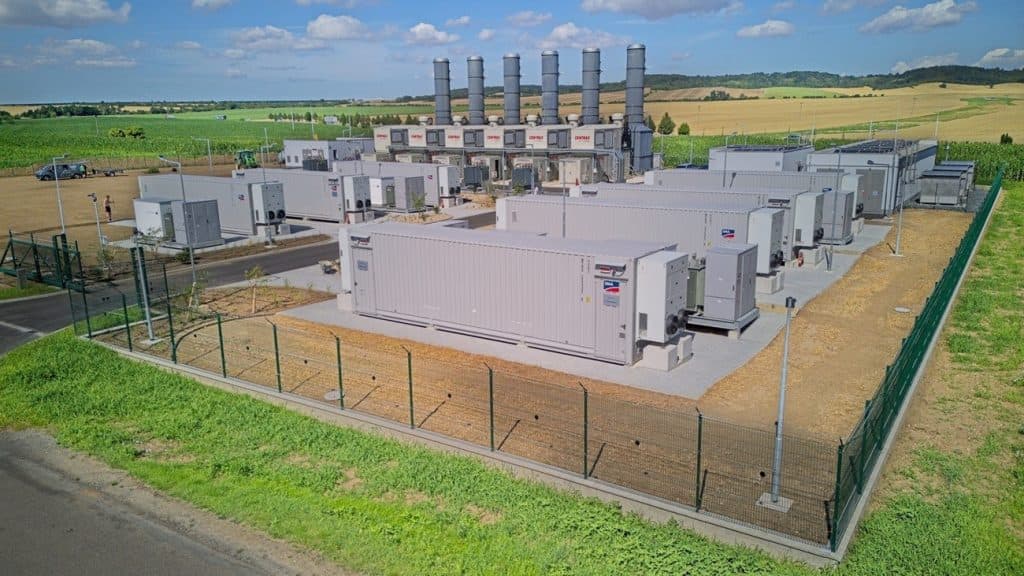
Decci Group is commissioning a hybrid energy source in the village of Vraňany in the Mělník district, featuring the largest battery storage facility in Czechia — Energy nest, with a total output of 30 MW.The facility combines innovative technologies with a bespoke control system that enables it to stabilise the transmission system. The modern energy source can respond flexibly to surpluses or shortages in the grid and, when not providing a service, remains on standby with zero emissions and without inefficient fuel consumption. Energy nest is therefore not only a flexible and innovative energy source, but also an environmentally friendly one.
Changes in the energy mix, the planned phase-out of conventional energy sources and the growing share of energy from renewable sources will cause instability and fluctuations in the electricity grid. New sources of balancing services (SVR) are therefore being sought to ensure the stability and security of the electricity grid. With a total installed capacity of 52.4 MW, the hybrid Energy nest is one such source and opens up a range of possible solutions for providing balancing services.
Energy nest responds to a changing energy landscape
„Renewable energy sources are expected to account for a quarter of electricity production by 2030. However, they are unable to provide balancing services.At the same time, we are planning to phase out coal-fired power plants, which account for almost 60% of electricity production and ensure grid stability. If we want a secure and stable electricity grid in the future, we need to find new sources. Energy nest separates electricity generation from the provision of balancing services and offers a solution that is already responding to the future needs of the energy sector,“ says Darina Merdassi, CEO of Decci Group, a.s. and member of the board of E.nest Energy a.s., speaking about the project.She adds: “Energy nest will provide balancing services at a scale previously delivered by a 300 MW power plant burning lignite, while also contributing to the achievement of national climate targets.“
An innovative energy solution
The solution’s innovation lies in its combination of technologies: combustion turbines with a total output of 32.4 megawatts, technically derived from aircraft engines, and a battery storage facility with an output of 20 megawatts and a capacity of 22 megawatt-hours, the largest in the Czech Republic. Combined with a unique control system, the technologies complement one another and make it possible to fully harness their capabilities to provide ancillary services for grid stabilisation.
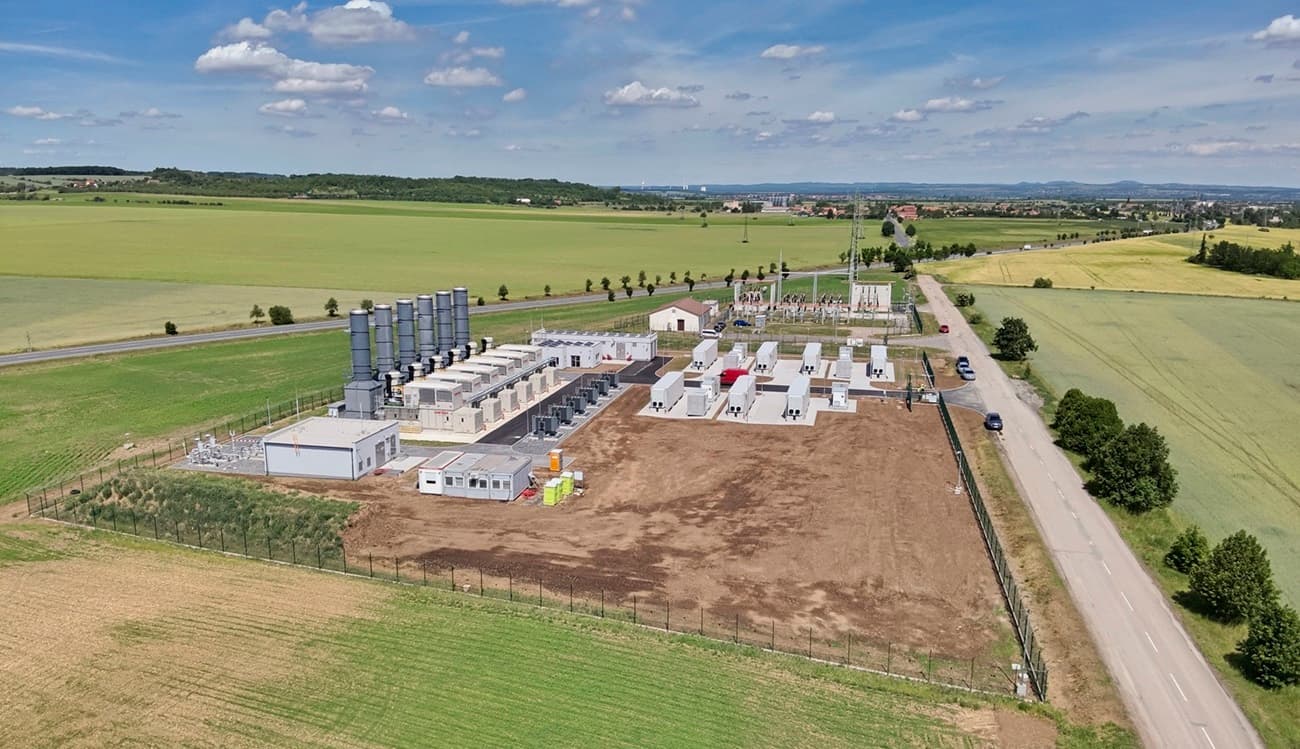
Energy nest Source: Decci
Analyses by ČEPS show that current energy sector developments could lead to a dramatic fall in the regulatory capacity available for providing balancing services. The hybrid source can currently provide any combination of balancing services to ensure grid stability, namely frequency containment reserve (FCR), automatic frequency restoration reserve (aFRR+) or manual frequency restoration reserve (mFRR+), up to a total output of 30 MW. The plan is to expand balancing services to 52.4 MW in the future, using the existing technologies.
„Energy nest was designed so that its capacity can be increased if needed, or so that it can be easily expanded with additional similar hybrid systems. It is a modular and scalable solution which, thanks to its containerised design, occupies an area of 1 ha. It also offers excellent availability and reliability. Green hydrogen production is also envisaged in the future,“ explains Darina Merdassi, highlighting another advantage of Energy nest.
The hybrid energy source was built by Siemens, s.r.o. The main technology suppliers are the UK-based Centrax Ltd and Germany’s SMA Altenso, GmbH. The Czech Institute of Informatics, Robotics and Cybernetics at CTU developed a bespoke control system for the project.
Translation disclaimer
This article is a machine translation of the Czech original and has not yet been fully reviewed. In case of any doubt, please refer to the Czech version.
Sdílejte článek prostřednictvím:
You might also like

28 October 2026, 13:08

28 October 2026, 11:10

28 October 2026, 09:08
