Decline in output from Czech coal-fired power plants halted last year, but is set to continue

Martin Voříšek
Martin Voříšek
9 January 2026, 06:59
propad-vyroby-ceskych-uhelnych-elektraren-se-loni-zastavil-do-budoucna-ma-vsak-pokracovat

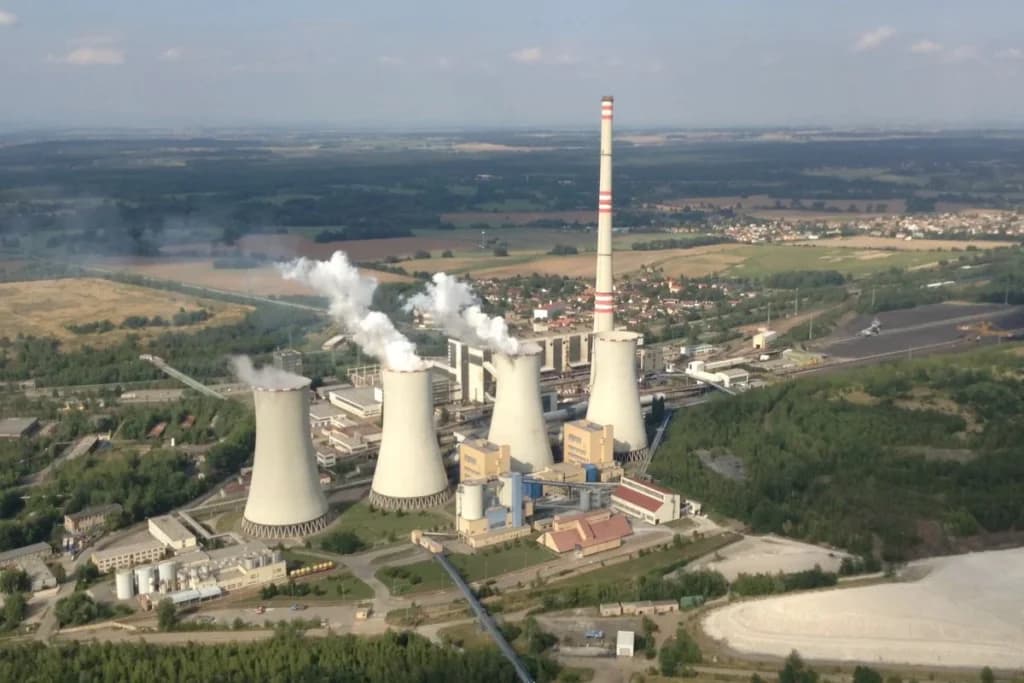
Czech lignite- and hard coal-fired power plants supplied just under 24 TWh of electricity to the grid last year, matching their output in 2024. However, this represented a 28% decline compared with the crisis year of 2022. Total net electricity generation in the Czech Republic increased despite stagnant coal-fired generation, mainly thanks to record electricity output from nuclear power plants. This follows from a comprehensive report on the Czech power sector in 2025, published this week by oEnergetice.cz

Conventional power plants, which for the purposes of the report include nuclear power plants, coal-fired power plants and natural gas-fired power plants, have long generated more than 80% of electricity in the Czech Republic. This was also the case last year, when these sources accounted for 81% of net electricity generation.

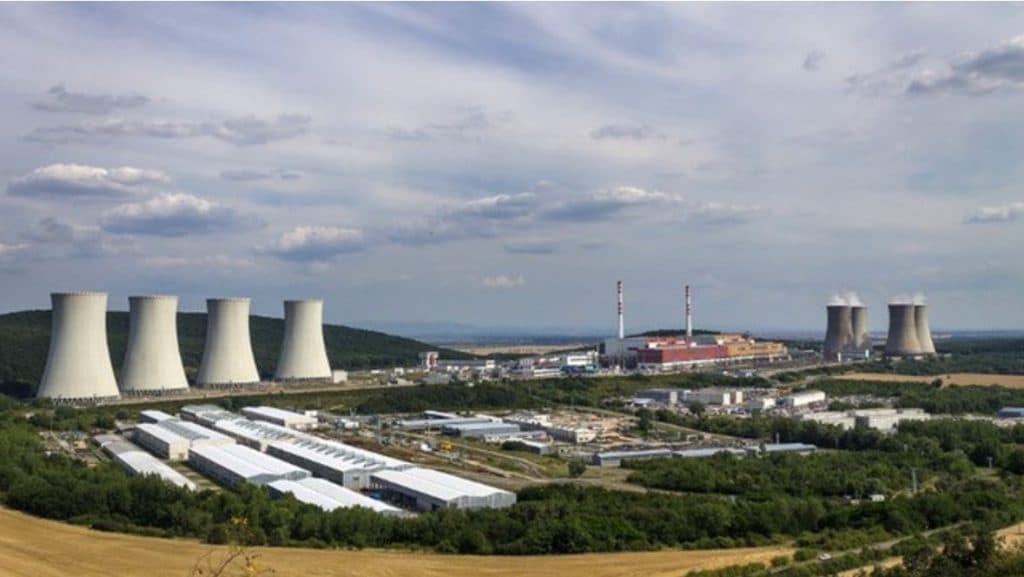
Nuclear power plants supplied 30.3 TWh of electricity to the power system in 2025, representing an 8% year-on-year increase. Gross generation at nuclear power plants even slightly exceeded 32 TWh, a historic record. Electricity generation from coal-fired power plants was virtually unchanged from 2024, reaching 23.7 TWh. This was 28% lower than in the crisis year of 2022.

Source: The Czech power sector in 2025 (oEnergetice.cz)

The decline in electricity generation at major Czech coal-fired power plants is particularly evident at those with lower efficiency, namely Chvaletice and Počerady. While net generation at Počerady has fallen by 2.2 TWh since 2022 to 3.8 TWh, output at Chvaletice has dropped by as much as 2.5 TWh to 2.0 TWh.

Electricity generation from natural gas-fired power plants rose 6.1% year on year to 3.7 TWh last year. Compared with the crisis year of 2022, however, this represented a decline of 1.7 TWh.

Sources for the winter period

Coal- and gas-fired power plants play an important role not only in the overall annual generation and consumption balance, but also in meeting seasonal and daily peaks in electricity demand. While electricity generation from nuclear power plants remains roughly constant throughout the year, generation at natural gas-fired plants, and especially at lignite- and hard coal-fired plants, rises significantly during the winter months.

As shown by the data in the The Czech power sector in 2025 report, electricity generation from lignite-fired power plants reached around 2.3 to 2.9 TWh/month during last year's winter months, while falling below 1 TWh/month in the summer months. Strong seasonality was also evident last year at natural gas-fired power plants, where electricity output in winter was several times higher than in summer.

Monthly electricity generation from conventional sources in the Czech Republic in 2025. Source: oEnergetice.cz

Coal phase-out and the need for new dispatchable capacity

A significant event last year was the closure of Dětmarovice, the Czech Republic's largest hard coal-fired power plant, which took place in spring. The plant, with installed capacity of 600 MW (originally 800 MW), was shut down after almost 50 years of operation.

The closure of the Chvaletice and Počerady lignite-fired power plants and the lignite-fired heating plant in Kladno, operated by energy group Sev.en, also appears to be on the horizon. At the end of November, the group announced its intention to cease operating these facilities, whose total installed capacity exceeds 2 GW, in December 2026 or, at the latest, in March 2027. The question of whether it is safe for the Czech power system to shut down these facilities should be answered by an analysis by transmission system operator ČEPS, a.s.

The recently published European Resource Adequacy Assessment 2025 (ERAA 2025) also envisages a gradual phase-out of coal-fired sources in the Czech Republic. According to the report, net installed capacity of coal-fired sources in the country will decline from the current approximately 7 GW to 4 GW by 2028, and then to just under 1 GW in 2030. After 2030, ERAA 2025 does not envisage coal-fired sources operating in the Czech Republic.

Outlook for installed capacity of conventional sources in the Czech Republic according to ERAA 2025 (GW). Source: oEnergetice.cz

Retired capacity is to be gradually replaced by a combination of nuclear, renewable and gas-fired sources. While only modest growth of 0.3 GW to 4.4 GW is expected for nuclear sources by 2035, installed capacity at gas-fired power plants should almost double from its current level. This growth is expected to be driven primarily by the conversion of coal-fired sources supplying heat to district heating systems into natural gas-fired sources.

Despite the projected increase in gas-fired capacity, the ERAA 2025 report anticipates a problem in ensuring resource adequacy in the Czech Republic. The most realistic way to improve the situation is to build natural gas-fired power plants; however, given the lack of profitability of such projects, this would require the introduction of so-called capacity payments. The Czech Republic is not yet able to offer these through capacity auctions, as it does not have a capacity mechanism notified by the European Commission.

The first steps in this area were taken in November, when the Ministry of Industry and Trade sent the European Commission a document titled the Market Reform Plan, which highlighted insufficient resource adequacy in the Czech power system, as already indicated in the previous ERAA 2024 report.

Translation disclaimer

This article is a machine translation of the Czech original and has not yet been fully reviewed. In case of any doubt, please refer to the Czech version.