4 November 2026, 14:17
Loading...
Energy communities could emerge in Czechia, bill backed by Chamber of Deputies

oEnergetice.cz, ČTK
29 August 2023, 18:14
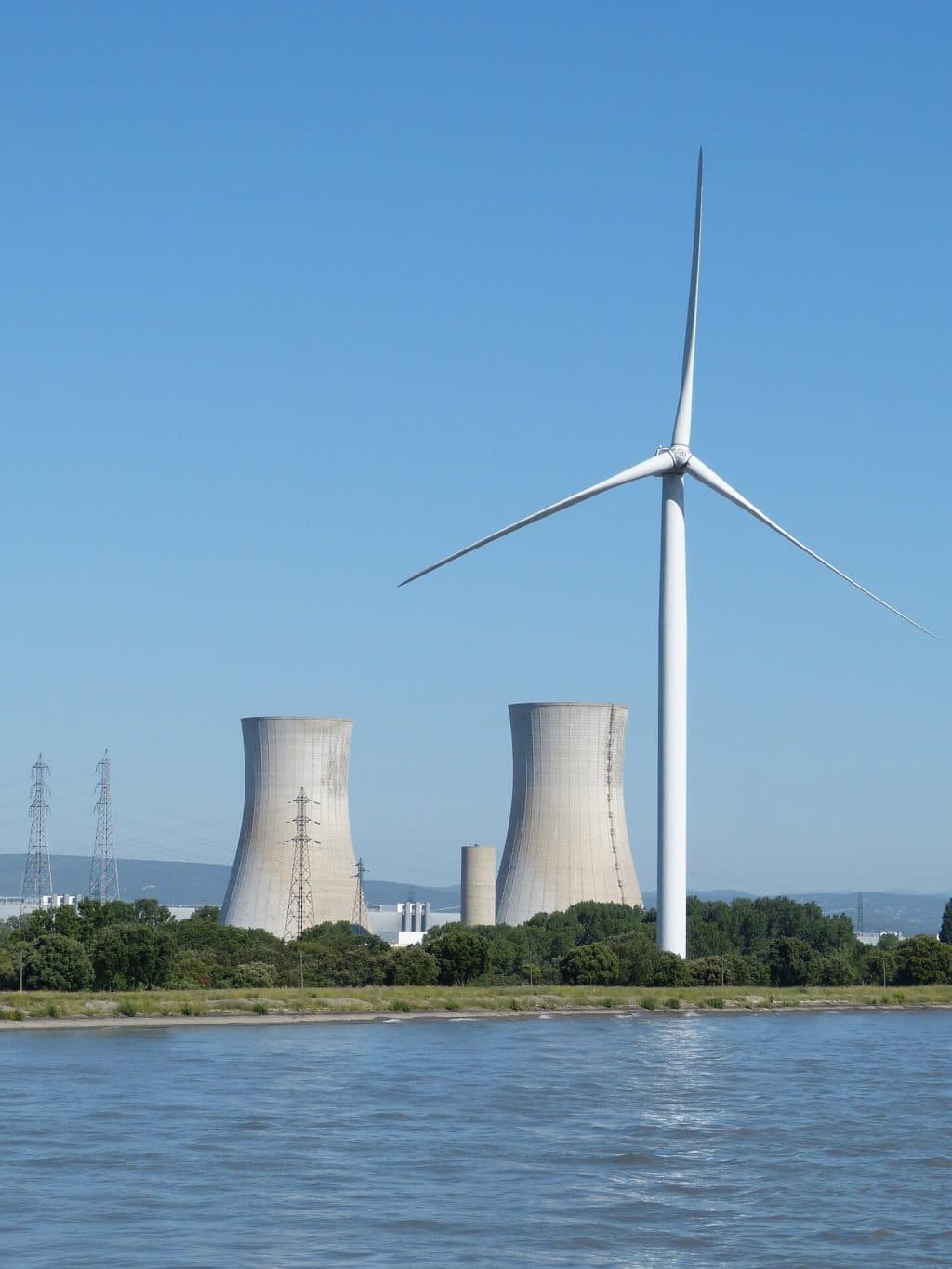
Energy communities could be established in the Czech Republic, allowing them to share locally generated electricity via the distribution grid. The Chamber of Deputies today backed in its initial reading an amendment to the Energy Act that would make this possible. The amendment would also allow people to share electricity they generate themselves at a different delivery point, for example from a cottage to an apartment.
The Ministry of Industry submitted the amendment with the aim of harnessing the potential of renewable energy sources and reducing dependence on fossil fuels, Minister Jozef Síkela (STAN) said. According to the government, the amendment responds to the current critical situation on the energy market. „This is a revolutionary bill, a logical addition to modern energy,“ said rapporteur Ivan Adamec (ODS). The bill has been well prepared, he said. He noted that the proposal is more about finding savings than doing business, and also about improving the use of renewable energy sources.
Chamber of Deputies Deputy Speaker Karel Havlíček (ANO) called the amendment the energy act of the year. He said he considered it a step in the right direction and added that ANO would not block it. However, he said community energy would not solve everything and needed to be planned well, including its economic aspects. The SPD parliamentary group also expressed support for the proposal.
The proposal introduces energy communities as new market participants. These communities, which will become legal entities, cooperatives or associations and will be registered with the Energy Regulatory Office, will be based on the joint generation of energy, for example by solar or wind power plants, and its subsequent sharing among members. This could include sharing energy among households or different communities, such as municipalities, schools, public authorities or businesses.
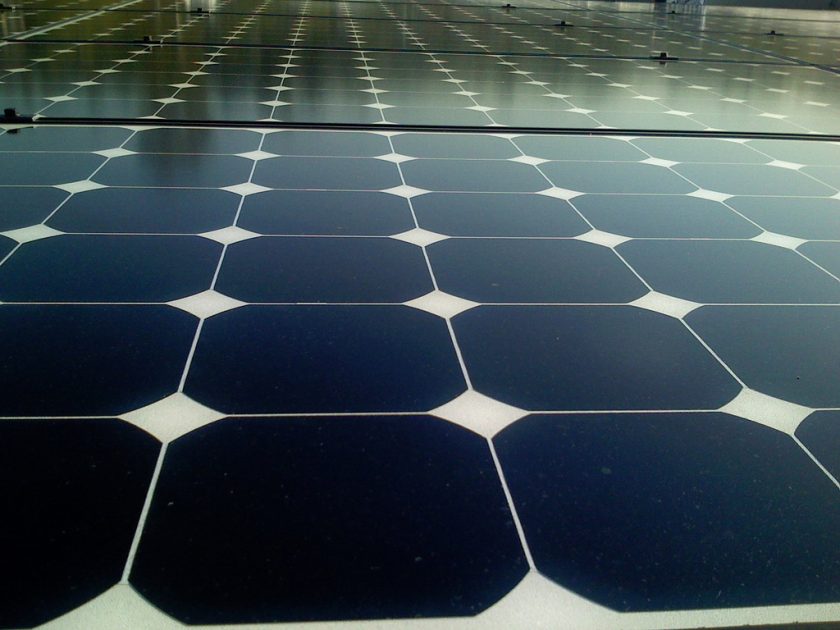
In the proposal, the government temporarily limited the size and geographical reach of communities to 1,000 delivery points and a maximum of three neighbouring municipalities with extended powers. The restriction is to remain in place until June 30, 2026. Another new provision is a limit on voting rights for community members, with each member allowed a maximum share of one-tenth. An Electricity Data Centre is also to be established to monitor electricity generation and consumption in the grid.
The amendment also introduces the concept of an active customer, allowing people to share electricity they generate themselves at a different delivery point, for example from a cottage to an apartment. Such sharing will be possible from one location to up to ten delivery points, for example within an extended family, a company with several sites or several public authorities in a municipality. Both individuals and legal entities, municipalities and non-profit organisations will be able to share electricity. The number of members will be calculated based on the number of delivery points. The amendment introduces the status of a vulnerable person and a vulnerable customer. A vulnerable person will be someone who uses a device for therapy or to compensate for an illness, or another special aid, and has received a contribution towards it. A vulnerable customer will have the right, for example, to receive a free, personal notification of a planned restriction or interruption to their electricity supply due to scheduled work, at least 15 days in advance.
The proposed amendment follows earlier changes to the Energy Act. One of these is an amendment to the Decree on Electricity Market Rules, which allows residents of apartment buildings to use energy from, for example, a photovoltaic power plant. Another change raises the threshold for requiring an electricity generation licence, professional qualifications and a building permit to 50 kilowatts.
Translation disclaimer
This article is a machine translation of the Czech original and has not yet been fully reviewed. In case of any doubt, please refer to the Czech version.
Sdílejte článek prostřednictvím:
You might also like

4 November 2026, 12:34

4 November 2026, 09:09