Main task for new energy commissioner? It will be costly and also affects Czechia

Martin Voříšek
Martin Voříšek
19 September 2024, 07:23
hlavni-ukol-pro-noveho-komisare-pro-energetiku-bude-drahy-a-tyka-se-i-ceske-republiky

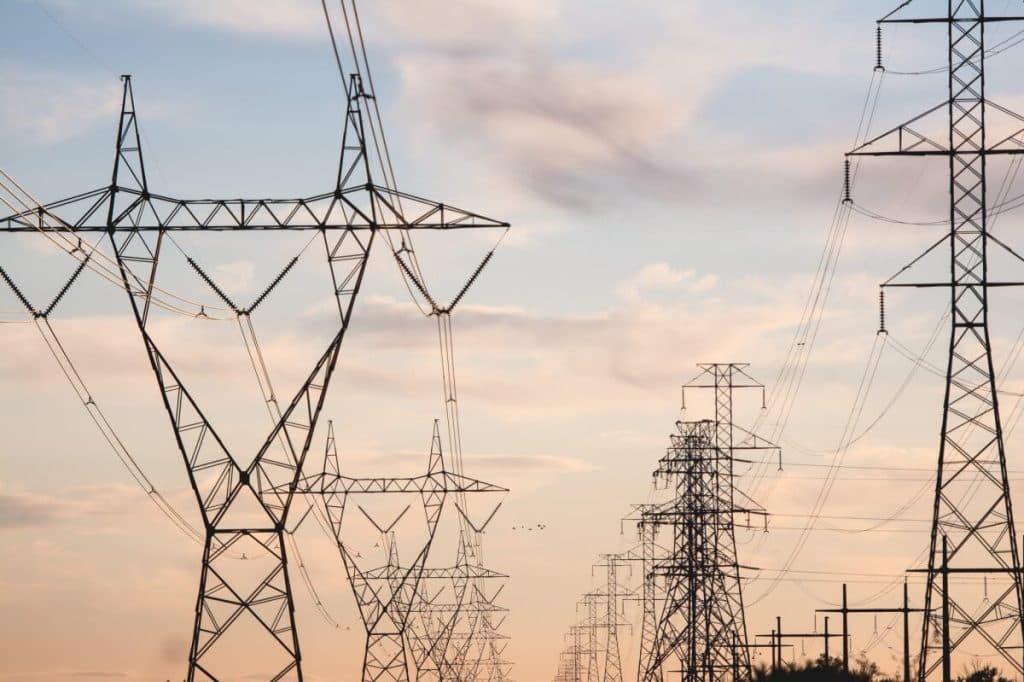
One of the main tasks for the new European Commissioner for Energy is to develop electricity transmission and distribution grids, according to UK think tank Ember. Without modern grids and stronger cross-border interconnections, the benefits of renewable electricity sources, on which the European Union's energy sector should be based in the coming decades, cannot be fully harnessed. However, this task will require substantial investment, including in Czechia. 

Transforming the energy sector towards renewables is one of the European Union's main objectives. The EU-27 is seeking to achieve climate neutrality by 2050, also thanks to renewable sources.

However, as a report by think tank Ember suggests, there may be several obstacles on the path towards this goal. One of the main ones is the insufficient development and overly slow modernisation of electricity grids, which are required to integrate ever-increasing volumes of renewable generation.
Source: Rezolv Energy

However, grid modernisation is not merely a matter of building new transmission lines. As Ember stresses, the energy sector needs to be digitalised and new technologies introduced to improve the management and efficiency of electricity distribution and transmission. Yet grid modernisation and digitalisation are progressing slowly in many EU countries – often held back by outdated infrastructure or limited cooperation among market participants.

Ember proposes that the European Union establish a task force dedicated exclusively to electricity grids. This would enable it to respond relatively flexibly to emerging problems. The second recommendation is to create a single point of contact for access to financing for development projects.

Investment in grid development should rise substantially, including in Czechia

Transforming transmission and distribution grids will, however, be highly costly. Experts broadly agree that investment in grids must multiply. For example, a recent study by Eurelectric suggests that investment in distribution grids should double from next year until 2050. According to Bloomberg New Energy Finance, investment in grids should even triple.

Avacon AG's distribution grid in Germany. Source: E.ON

The same applies to Czechia, where the need to invest in distribution and transmission grids is being mentioned increasingly often. The Energy Regulatory Office (ERÚ) is also aware of the need for investment. According to its recently published proposed price-regulation methodology for the sixth regulatory period, the scale of investment in the next regulatory period is expected to reach “historic proportions”.

"The shift towards renewable energy sources and the decentralisation of the energy sector are creating new requirements for investment in energy grids. By law, grid operators must ensure the reliability and security of energy supplies, and the authority must provide them with the conditions to do so. Expected investment will amount to tens of billions of crowns each year in the coming years," says Stanislav Trávníček, chairman of the ERÚ Council.

The level of investment that will be recognised for grid operators under price regulation and subsequently reimbursed will therefore likely still be subject to complex negotiations. This is because, ultimately, electricity consumers will pay for these investments through the distribution charge (or, more generally, through the regulated component of the electricity price). Any adverse impact on electricity prices may therefore prove relatively unpopular, even though it appears necessary for the future.

Translation disclaimer

This article is a machine translation of the Czech original and has not yet been fully reviewed. In case of any doubt, please refer to the Czech version.