25 September 2026, 09:51
Loading...
New quarries in Czechia? Permits take up to ten years, threatening higher costs for strategic projects

Jakub Malý
20 September 2025, 07:57
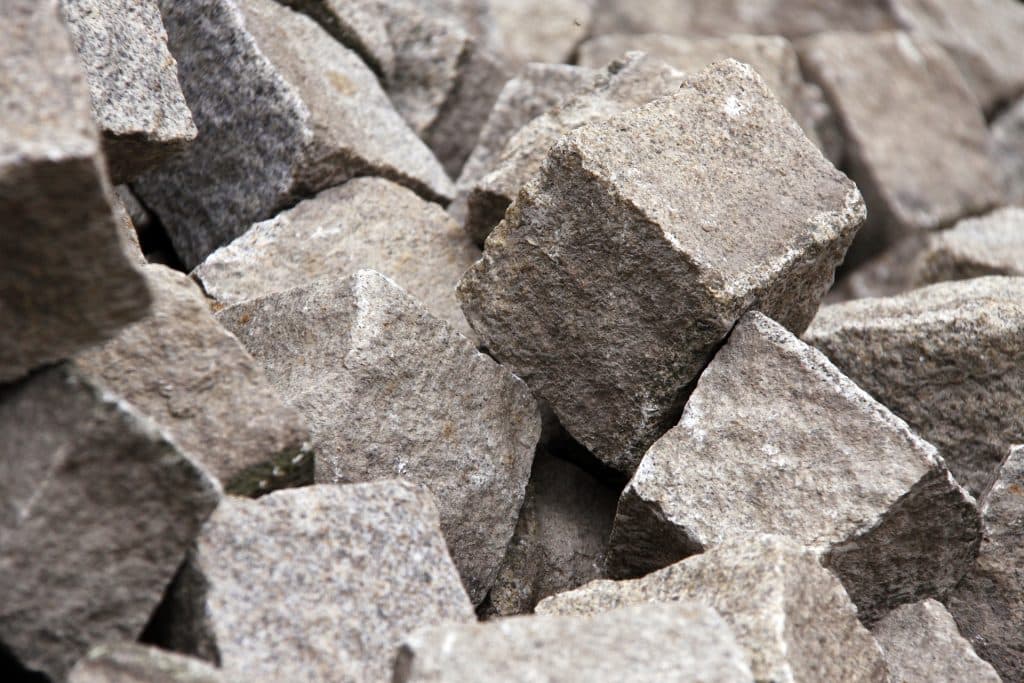
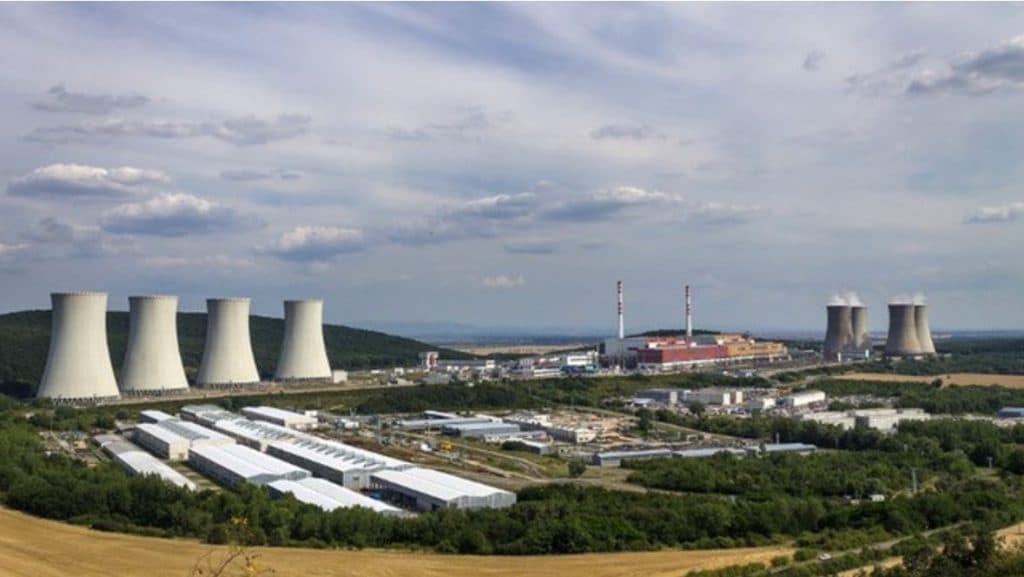
The Czech Republic faces a problem with the availability of construction aggregates and sand and gravel. The Ministry of Industry and Trade (MPO) held a round table at which it recently confirmed that approximately 50–60 % of currently exploited deposits have a remaining lifespan of no more than ten years. The Czech Geological Survey has identified 47 sites, 21 of which are new and expected to receive “strategic deposit” status. While this does not guarantee faster mining permits, it strengthens the public-interest case in negotiations over projects crucial to the state – from the completion of the Dukovany nuclear power plant to high-speed rail.
A study prepared for the Roads and Motorways Directorate (ŘSD) and the Railway Administration shows that projects under their remit alone will consume more than 30–40 % of the Czech Republic’s annual aggregate production. The rest is used by regional construction, housing construction and development projects. Total consumption stands at around 64–68 million tonnes a year, while new capacity has long proved difficult to open. No new greenfield stone quarry has been established in Czechia in the past 35 years, and permitting procedures often take more than ten years.
As a result, delays and insufficient reserves threaten to increase the cost of transport infrastructure and energy projects, most notably the planned completion of the Dukovany nuclear power plant. The shortage of aggregates is not merely a concern for geologists or construction firms; in practice, it will also determine whether motorways, railways and energy facilities can be built on time and at a reasonable cost.
The problem is also geographically uneven. Some regions, such as Vysočina, have virtually no sand and gravel resources and depend on supplies from neighbouring regions. According to the study, increasing the average transport distance by 30 kilometres would generate an additional roughly 2.5 million tonnes of CO₂ annually.
The current debate, reinforced by the MPO’s decision on strategic deposits, signals that the state recognises the risks of an aggregate shortage. This makes it all the more important for the mining sector to respond proactively, rather than merely waiting for legislative changes, by preparing projects that are sustainable and acceptable to the public, whose opposition is often the greatest obstacle. Local authorities very often oppose mining plans, citing increased dust, potential water pollution, heavier traffic and landscape degradation. Such opposition often leads miners to abandon their plans altogether.
Communication with municipalities and the public is also crucial: without transparent dialogue and compensatory measures, opposition will only deepen. The importance of a vision for the area after mining is becoming increasingly clear, so that once extraction ends, the landscape serves people, whether through recreational areas or further industrial use.
Translation disclaimer
This article is a machine translation of the Czech original and has not yet been fully reviewed. In case of any doubt, please refer to the Czech version.
Sdílejte článek prostřednictvím:
You might also like
24 September 2026, 11:23

24 September 2026, 10:30
24 September 2026, 06:56