
28 October 2026, 15:10
Loading...
Seznam Zprávy: Tykač considers closing Počerady and Chvaletice plants in Czechia as early as next year

oEnergetice.cz, ČTK
1 March 2024, 09:14
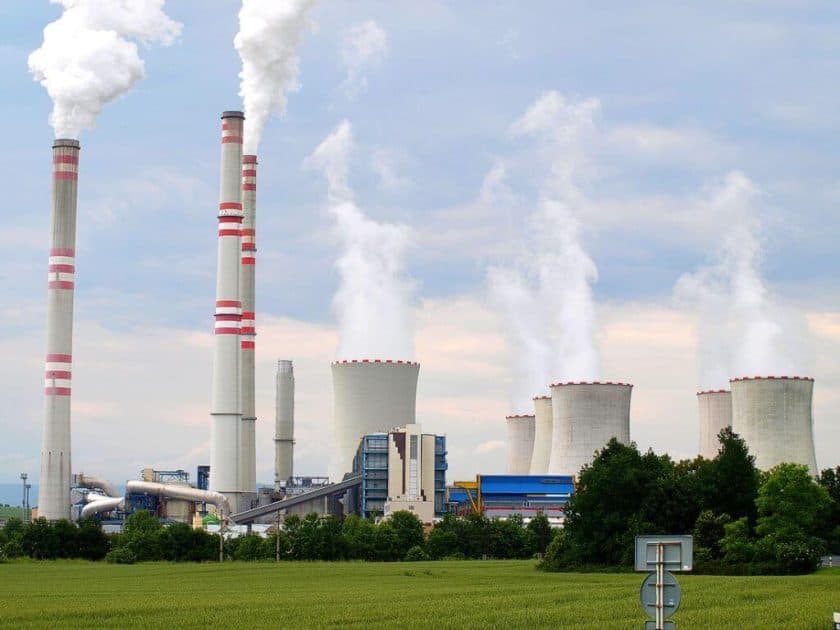
Sev.en Energy group owner Pavel Tykač is considering closing his two coal mines and the Počerady and Chvaletice power plants in spring 2025, according to Seznam Zprávy. The reason is that coal-fired power generation is no longer competitive. Tykač employs 3000 people at the Vršany and ČSA lignite mines and the Počerady and Chvaletice power plants, which together supply almost 15 percent of domestic electricity consumption, the website reports. The group has informed the relevant ministries of the risk, and a working group set up at the Ministry of Industry and Trade (MPO) is now considering the possible closure of Počerady and Chvaletice.
“The situation in the energy sector is serious. Market arrangements and other factors – such as massive gas imports – are putting significant commercial pressure on heat and electricity from coal. Due to persistently high prices for emissions allowances and other factors, these are becoming uncompetitive, putting traditional coal-fired power plants at risk of being shut down for economic reasons,” said Sev.en spokesperson Gabriela Sáričková Benešová.
According to her, the power plants could close “within a matter of months”. “We confirmed this situation to the relevant ministries in recent days, and they are addressing this risk,” she added. According to SZ Byznys, Tykač is considering spring 2025 as the date to end generation, after the next heating season.
“Sev.en Energy has informed us that the continued operation of its facilities in the Czech Republic may no longer be profitable. The situation needs to be carefully assessed both in terms of actual market conditions and the impact on the balance between electricity generation and consumption in the Czech Republic, the stability of the transmission grid, heat production and availability, coal mining, and the prices of all these commodities. We are currently carrying out this analysis in cooperation with ČEPS,” MPO spokesperson Marek Vošahlík told the website.
A phase-out of coal in the Most region would mean the gradual layoff of more than 3000 people employed by Sev.en at its mines and power plants. It would also mean a loss of contracts for local companies that depend on the energy group, as well as a shortfall of around ten terawatt-hours of electricity on the domestic market—the annual output of Tykač’s facilities.
“We have stated our readiness to cooperate and, in accordance with the Czech government’s instructions, help ensure energy security and grid stability, including heat supplies to customers. However, this requires a clearly defined plan for a managed and socially responsible phase-out of coal, which also addresses the economic viability of individual facilities until the necessary replacement sources are commissioned,” the Sev.en spokesperson said.
Petr Fiala’s government still expects coal-fired power generation in the Czech Republic to end no earlier than 2033. Seznam Zprávy notes, however, that if Sokolovská uhelná, which owns two power plants at Vřesová and Tisová, or ČEZ under pressure from its minority shareholders also start closing unprofitable facilities after Tykač, the Czech Republic could face a serious energy security problem. Coal still accounts for around 40 percent of domestic electricity consumption, the website points out.
Translation disclaimer
This article is a machine translation of the Czech original and has not yet been fully reviewed. In case of any doubt, please refer to the Czech version.
Sdílejte článek prostřednictvím:
You might also like

28 October 2026, 13:08

28 October 2026, 11:10

28 October 2026, 09:08
