
28 October 2026, 15:10
Loading...
Solar power in Czechia has surged by thousands of percent in five years, while investment has risen by tens of billions

oEnergetice.cz, ČTK
21 April 2024, 07:27
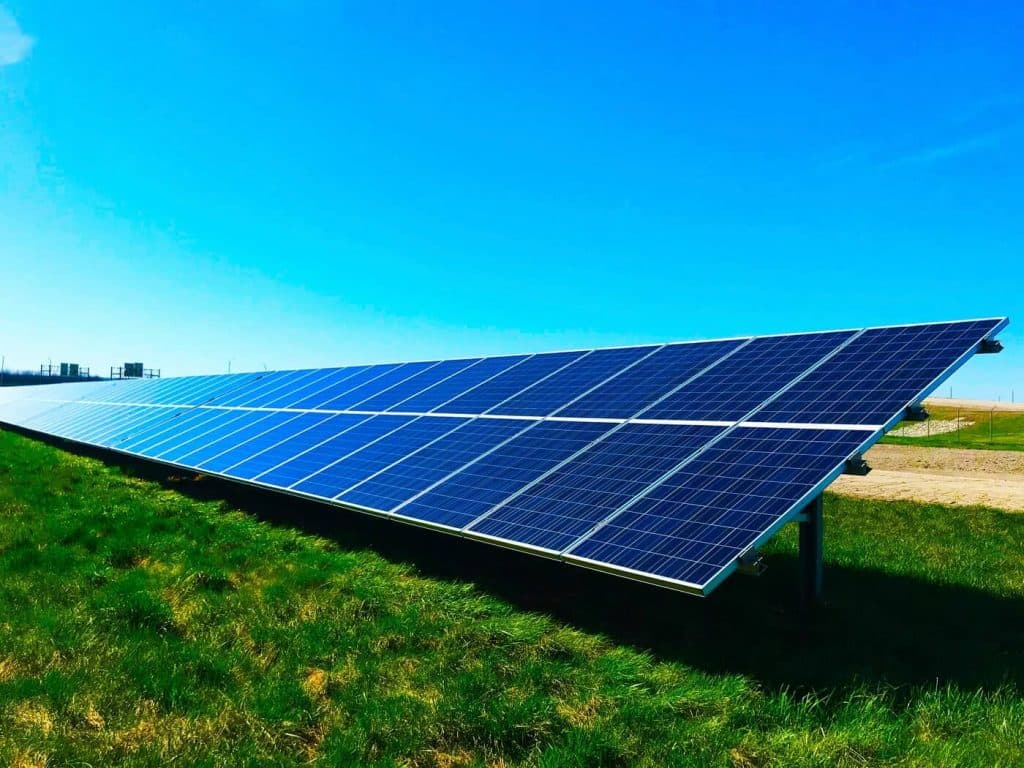
Solar energy in Czechia has gathered spectacular momentum over the past five years. While just over 3400 new power plants were connected in 2019, last year the figure was almost 83.000. Investment in the equipment has grown even more sharply, reaching almost 45 billion crowns last year, compared with less than one billion crowns five years ago. The current expansion of photovoltaics is markedly different from the solar boom Czechia experienced 15 years ago. This is according to data from distribution companies and industry organisations. At the end of last year, more than 167.000 photovoltaic power plants were connected in the Czech Republic. Growth is likely to continue this year.
According to XTB analyst Tomáš Cverna, demand for photovoltaics in recent years was driven primarily by the energy crisis, which forced households and businesses to optimise their energy costs. Another factor, Cverna says, is the introduction of new subsidy programmes. The cost of equipment has also gradually fallen. According to Aleš Spáčil, co-owner of the photovoltaic company Greenbuddies, costs have dropped in recent years from four million euros per megawatt (MW) to the current level of several hundred thousand euros per MW.
All this has been reflected in Czechs’ willingness to invest. For example, investment in solar panels has grown by hundreds of percent in recent years. According to data from the Czech Association for Storage and Photovoltaics, Czechs invested more than 37 billion crowns in small installations last year, with a further more than seven billion crowns going into larger installations. In 2019, the association’s calculations put total investment costs at around 0.9 billion crowns.
Czechia has already experienced a solar boom, between 2008 and 2013. However, industry representatives say the development of photovoltaics then was markedly different from today’s. Jan Krčmář, executive director of the Solar Association, noted that while large solar parks—now considered small by today’s standards—were built mainly in the past, the sector is now based primarily on rooftop installations for self-consumption.
This is also evident in data from the Energy Regulatory Office (ERÚ) on licensed operators of solar power plants, which include large solar power plants. While the ERÚ recorded the establishment of almost 2800 licensed operators between 2009 and 2013, a further 400 were added over the following ten years. The trend in total installed capacity is similar. Despite a record number of installations, last year’s total was still lower than in 2010.
Experts noted in this connection that 15 years ago, development was driven mainly by generous state subsidies and favourable feed-in tariffs for electricity from renewable sources. The structure of state support is different today.
Despite the current expansion, however, Czechia still lags behind a number of European countries. In the Netherlands, for example, average installed solar capacity is more than 1300 watts (W) per capita, compared with approximately 330 W in Czechia, Spáčil pointed out.
Experts expect installations to continue increasing in the coming years. According to the Solar Association, for example, there is significant potential on the rooftops of businesses, many of which remain largely uncovered. The association also expects another wave of construction among households and, in particular, of large solar parks. Jan Kakos, commercial director of Bidli energie, is confident that the solar boom will continue. He sees the use of smart technologies as one emerging trend.
The industry has also been hit by the collapse of several companies in recent years. The biggest case is the trouble at Energetický holding Malina, which is insolvent after facing difficulties fulfilling a large number of contracts. In its insolvency petition, the company acknowledged liabilities—including advance payments it had received—of almost 1.4 billion crowns. Another major company to go bankrupt last year was Alpha Solar.
Translation disclaimer
This article is a machine translation of the Czech original and has not yet been fully reviewed. In case of any doubt, please refer to the Czech version.
Sdílejte článek prostřednictvím:
You might also like

28 October 2026, 13:08

28 October 2026, 11:10

28 October 2026, 09:08
