
28 October 2026, 15:10
Loading...
Baltic states to leave shared energy grid with Russia and Belarus

oEnergetice.cz, ČTK
16 July 2024, 16:48
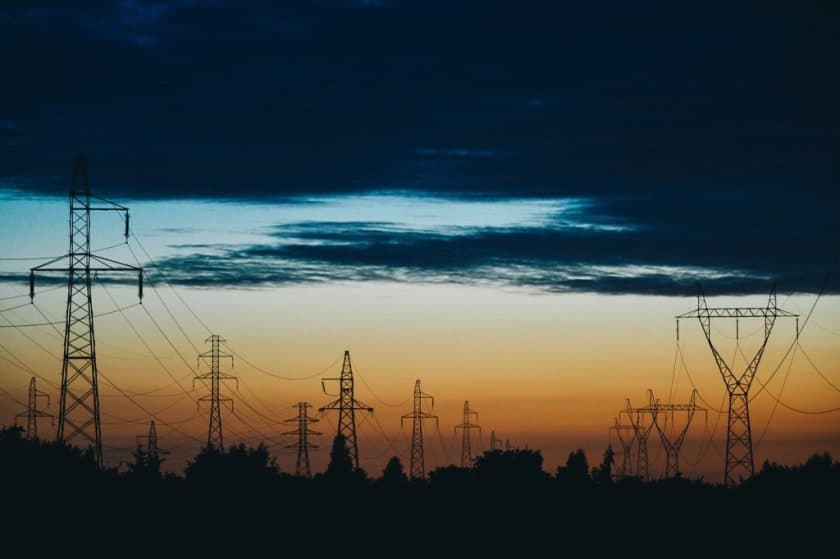
The energy grid operators of Estonia, Latvia and Lithuania have signed an agreement under which they will disconnect from the shared energy grid with Russia and Belarus. They plan to leave the BRELL grid, which dates back to the Soviet Union, in February next year, Reuters reported today. The countries announced their intention to do so last year.
The three Baltic countries still rely on Russian operators to manage frequency and balance the grid. After nearly a decade of negotiations, however, the Baltic states signed an agreement in 2018 to connect their energy grids to the EU by 2025. The EU has allocated a total of 1.2 billion euros (30.4 billion Kč) to prepare the region for disconnection, covering roughly three-quarters of the costs, Lithuania’s energy grid operator Litgrid said in a separate statement.
“We are leaving BRELL,” Lithuanian Energy Minister Dainius Kreivys said on Facebook.
According to him, the Baltic states will jointly test the isolated operation of their power grids in February before disconnecting. “We have always been sure that, just as we became part of the European Union and NATO, we would also become part of the European energy system,” he added.
The disconnection is scheduled for 8 February, when the Baltic states will synchronize the frequency of their grids with that of continental Europe via the power interconnection with Poland, Litgrid added.
Since Soviet times, Vilnius, Riga and Tallinn have been part of a shared, synchronously operated energy grid with Russia and Belarus—the so-called BRELL system. This means the countries are more or less dependent on the grids of their two neighbouring countries and also rely on Moscow to maintain the stability of their electricity systems. This situation is considered a security risk.
Translation disclaimer
This article is a machine translation of the Czech original and has not yet been fully reviewed. In case of any doubt, please refer to the Czech version.
Sdílejte článek prostřednictvím:
You might also like

28 October 2026, 13:08

28 October 2026, 11:10

28 October 2026, 09:08
