
25 September 2026, 09:51
Loading...
ČEPS seeks exemption for procuring balancing services, aims to cut grid operating costs

Martin Voříšek
13 March 2024, 10:17
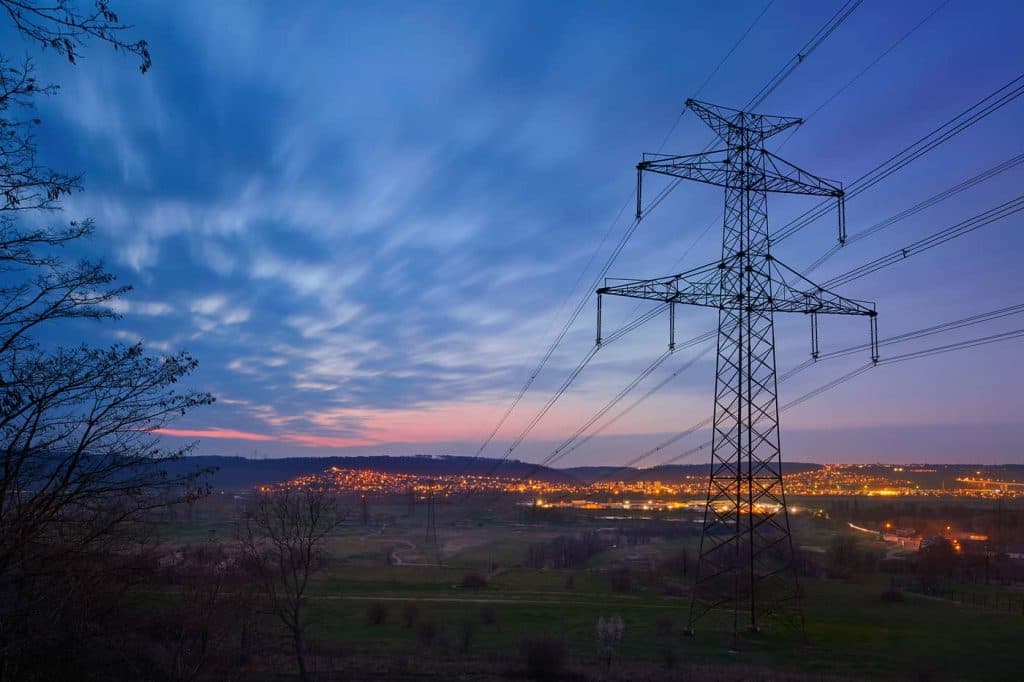
The Energy Regulatory Office has published on its website an application by ČEPS, a.s., for an exemption from the obligation to procure the entire volume of balancing reserve on the day-ahead market, as required under the current wording of the regulation on the internal electricity market. ČEPS has requested the exemption due to current conditions in the electricity market, which do not sufficiently incentivise participation by balancing service providers, and due to uncertainty over the future operation of coal-fired power plants. The aim is also to reduce transmission system operating costs.
ČEPS, the transmission system operator in the Czech Republic, submitted an application this week for an exemption from the obligation to procure balancing services solely on the day-ahead market. Although this obligation is laid down by the 2019 European regulation on the internal electricity market, an exemption may be granted under specified conditions, allowing balancing services to be procured through long-term contracts as well (with a maximum duration of one year).
Translation disclaimer
This article is a machine translation of the Czech original and has not yet been fully reviewed. In case of any doubt, please refer to the Czech version.
The article continues for subscribers
Premium content
The rest of this article is available to premium subscribers only. Get access to all premium articles on oEnergetice.cz.
You have read only 36% of the article — unlock the remaining 64% with a premium subscription.
Best value: annual subscription
Monthly option 4 € / month
3.25 €/ month
You might also like

24 September 2026, 11:23

24 September 2026, 10:30
24 September 2026, 06:56