22 September 2026, 14:20
Loading...
Simultaneous outage of all three Dutch subsea interconnectors raises questions about the need for backup capacity

David Vobořil
1 February 2021, 06:52

The Netherlands experienced an unprecedented situation the week before last, when all of its subsea cable interconnectors were affected by outages. However, thanks to relatively high renewable energy generation, electricity supplies were not at risk. According to experts, the situation nevertheless highlighted the need for backup capacity.
On 21 January, for nearly 16 hours, the Dutch electricity market was simultaneously cut off from the UK, Norway and Denmark for the first time ever due to unrelated faults affecting all three subsea cable links, Montel reported.
At that time, the Netherlands would have been importing electricity from Norway and Denmark, so the lost interconnection capacity had to be replaced by other sources. Fortunately, conditions were favourable for wind and solar generation, which was able to provide sufficient additional output alongside generation from gas-fired power plants. As a result, the event went largely unnoticed. However, a problem could have arisen in the absence of wind and under cloudy skies.
“In my view, this should be seen as a warning. Importing supplies through interconnector cables means that, firstly, we need greater interconnection capacity and, secondly, we still need a backup for such situations,” said Hans van Cleef, chief economist at Dutch bank ABN Amro.
In its latest security of supply report, Dutch transmission system operator TenneT estimated that import capacity would increase to 10 GW by 2030, from the current 7.8 GW. According to TenneT, this, together with strong growth in installed renewable energy capacity, will increase available capacity in the country.
“The Dutch government will take targeted measures if necessary,” a government spokesperson said, adding that the government relies on TenneT’s assessments of capacity adequacy and electricity supply security to determine whether intervention is needed. He also added that the cable outages the week before last had not raised security of supply concerns.
Outage of all three subsea interconnectors
The 580 km NorNed cable interconnector between the Netherlands and Norway, with a transmission capacity of 700 MW, was disconnected on 18 January and will remain out of service for repairs until 11 April. The 260 km BritNed interconnector between the Netherlands and the UK, with a capacity of 1000 MW, has been out of operation due to a fault since 8 December and is expected to return to service on 7 February.
The COBRAcable, with a transmission capacity of 700 MW and linking the Netherlands and Denmark, was out of operation due to a cable fault from September last year until 8 January, when repairs were completed. However, on 21 January, another as yet unspecified fault occurred.
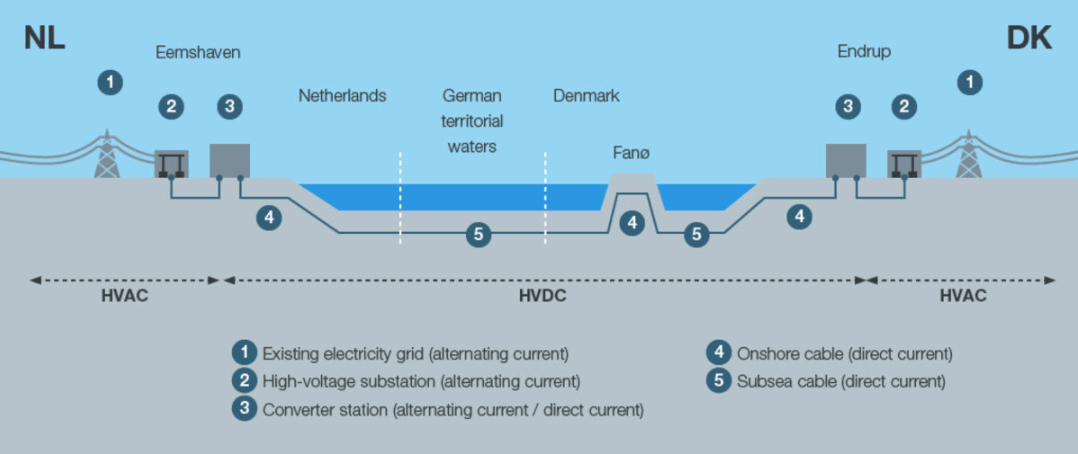
TenneT said it is insured against the financial impacts of unplanned cable outages.
“Last week was quite an extreme situation for the Netherlands. It certainly shows that subsea cables also carry certain risks that need to be taken into account when determining the so-called derated capacity of interconnectors,” said a Dutch energy trading manager.
So-called derated capacity is the transmission capacity value of an interconnector that indicates its long-term expected import capacity during periods of high system load.
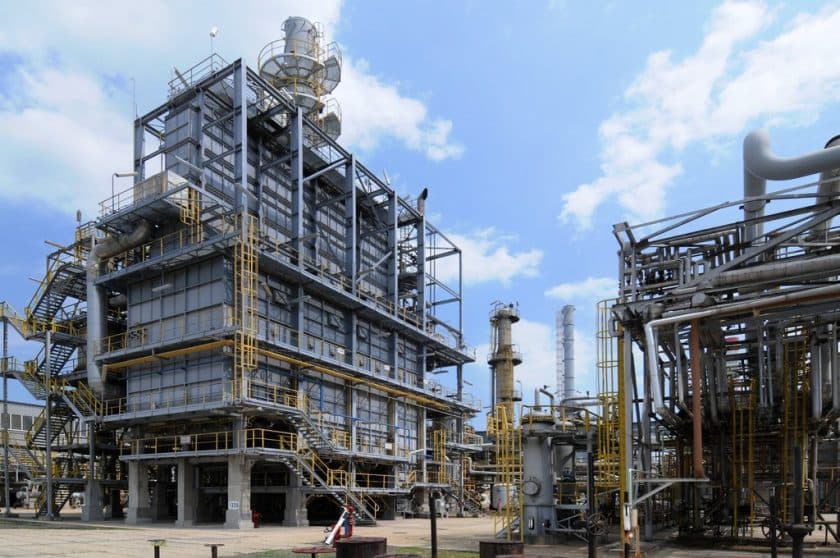
Source of introductory photo: TenneT
Translation disclaimer
This article is a machine translation of the Czech original and has not yet been fully reviewed. In case of any doubt, please refer to the Czech version.
Sdílejte článek prostřednictvím:
You might also like
22 September 2026, 12:50

22 September 2026, 06:09
21 September 2026, 15:25