25 September 2026, 09:51
Loading...
Czech electricity generation rises after years of decline, driven mainly by nuclear

oEnergetice.cz, ČTK
6 January 2026, 09:50
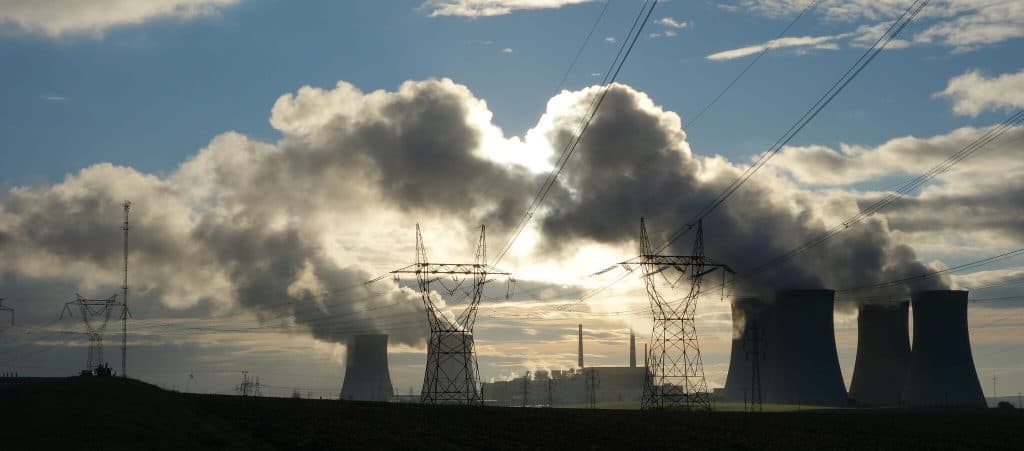
Net electricity generation in the Czech Republic rose last year for the first time since 2021. Domestic energy sources produced 71.4 terawatt-hours (TWh) of electricity over the full year, up 3.8 percent year on year. Growth in generation was driven primarily by nuclear power plants, while higher output was also recorded at solar facilities. Coal generation stagnated last year, falling by 28 percent over the past three years. Electricity consumption is also rising, while prices are declining. This follows from the 2025 report by industry portal oEnergetice.cz.
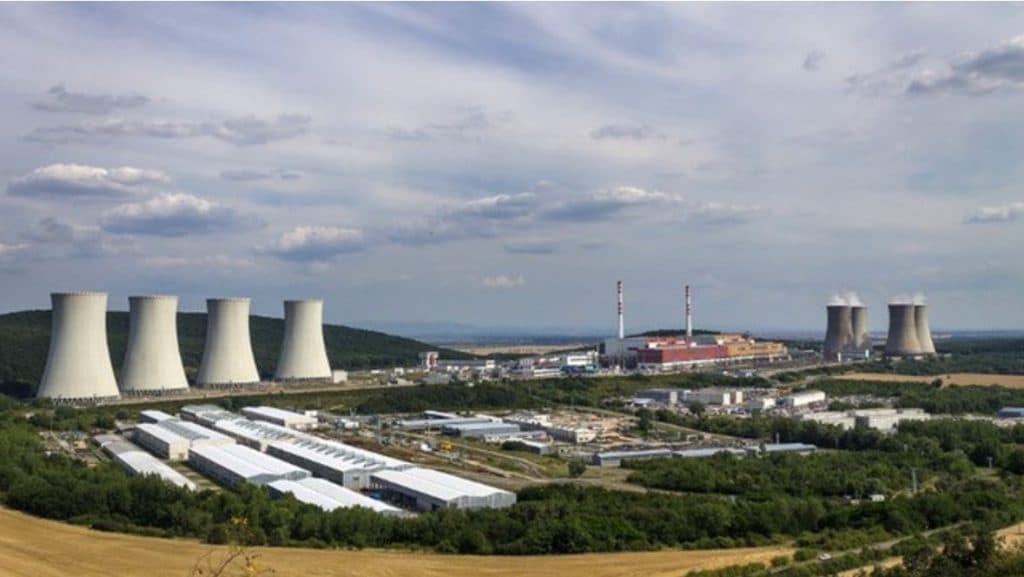
According to the report, nuclear power plants were traditionally the largest source of electricity last year, accounting for more than 42 percent. Gross output from the Dukovany and Temelín nuclear power plants totalled 32.066 TWh last year, the highest figure to date. Lignite-fired power plants were the second-largest source, with 32.2 percent. Their share is gradually declining. Solar power plants ranked third, with a 6.6 percent share. They increased output for the third consecutive year, by more than 20 percent year on year. They thus surpassed gas-fired sources, which accounted for 5.2 percent. Hydropower plants, other renewable energy sources and biomass followed, each accounting for single-digit percentages.
Generation from coal-fired sources stagnated last year, totalling just under 24 TWh, the same as a year earlier. A further decline in their share can be expected in the coming years. The operator of the first major coal-fired power plant plans to close it in around a year. The Sev.en group of billionaire Pavel Tykač announced last year that it plans to end generation at the Chvaletice, Počerady and Kladno power plants. ČEPS is now assessing the impact of the planned shutdowns on the Czech power grid.
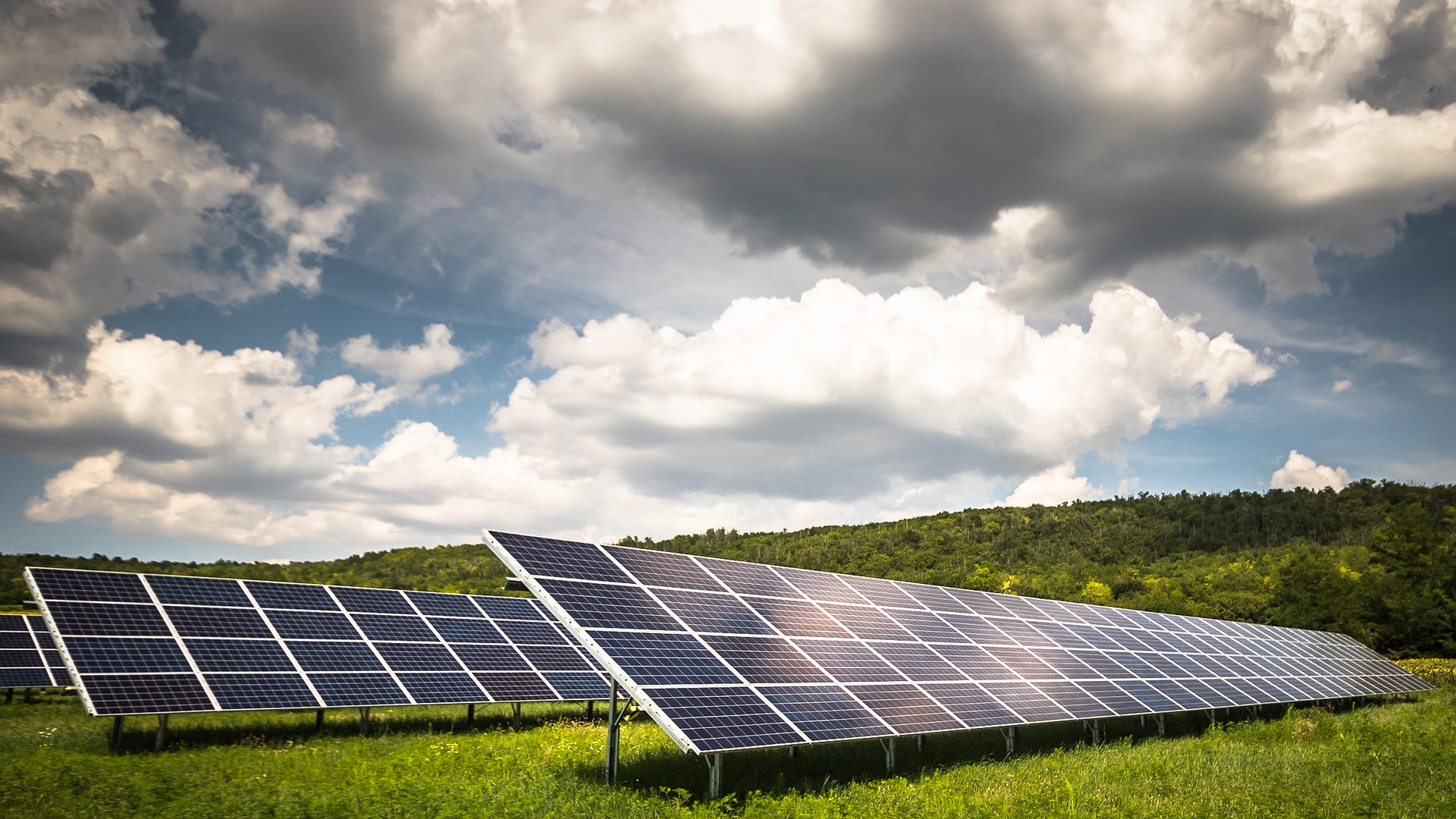
Solar power plant. Source: Pixabay
Along with rising generation, electricity consumption is also increasing. It totalled 59.3 TWh last year, up 2.3 percent year on year. This was mainly due to colder weather, with the average temperature of 8.8 degrees being 1.5 degrees lower than in 2024. However, it was still slightly above the long-term average.
Falling wholesale electricity prices also contributed to higher consumption. On average, they fell by eight percent last year and, according to the report, stood at an average of 2942 CZK excluding VAT in the high tariff and 2855 CZK excluding VAT in the low tariff at the end of the year.
Translation disclaimer
This article is a machine translation of the Czech original and has not yet been fully reviewed. In case of any doubt, please refer to the Czech version.
Sdílejte článek prostřednictvím:
You might also like

24 September 2026, 11:23

24 September 2026, 10:30
24 September 2026, 06:56