
28 October 2026, 15:10
Loading...
Czech industry ministry prepares measures to secure energy supplies in case of rapid coal phase-out

oEnergetice.cz, ČTK
13 June 2024, 08:06
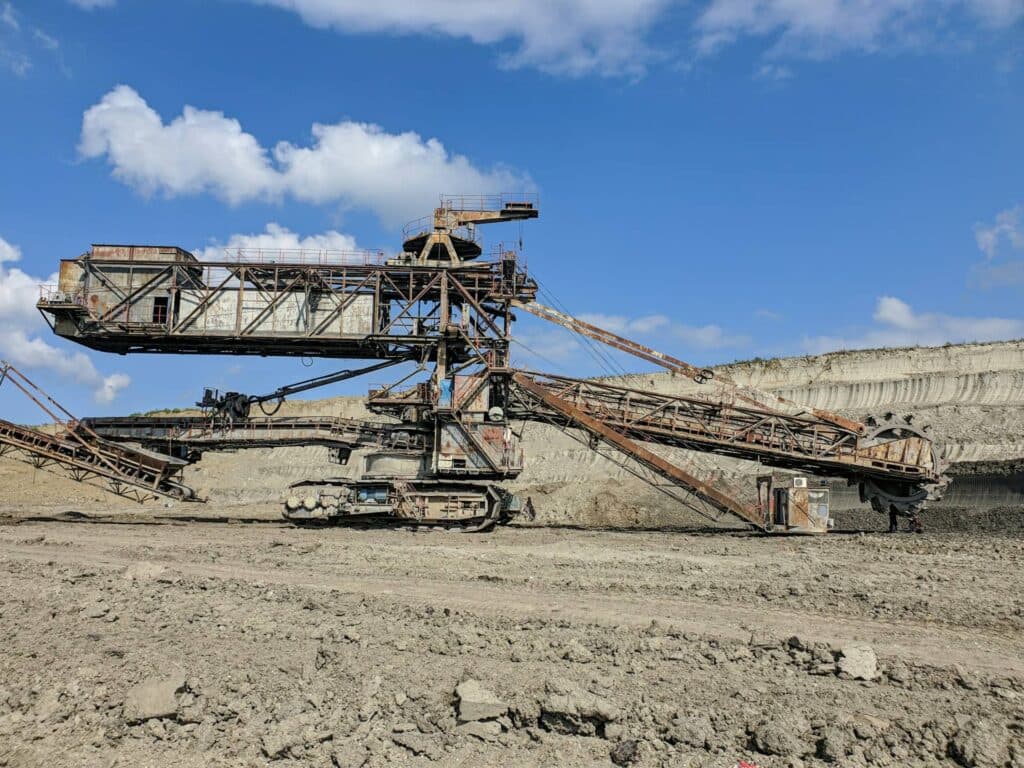
The Ministry of Industry and Trade (MPO) has prepared a set of measures to ensure energy supply security, even in the event of a rapid phase-out of coal-fired sources. The ministry says they will ensure the security of electricity and heat supplies even under the most risky scenarios for the development of the Czech energy sector. The measures, which assume that the Czech Republic will at some point in the future import more electricity than it exports, were discussed by the government today. Industry and Trade Minister Jozef Síkela (STAN) said this at a press conference. The ministry’s realistic scenario assumes a phase-out of coal-fired sources by 2030, while its critical scenario assumes a phase-out by 2027.
„The aim of our analyses was not only to produce the most accurate possible estimate of the future development of the Czech energy sector, but above all to prepare for critical scenarios as well. That is why, in cooperation with representatives of the energy sector and the transmission system operator, we calculated various scenarios, including a critical one, and prepared supporting measures that will ensure the security of electricity and heat supplies to Czech households and businesses even in the event of an adverse development,“ Síkela said.
He said the critical scenario involves a combination of several very unlikely events, such as the rapid shutdown of all coal-fired power plants by 2027, reduced electricity generation from other sources, or slower growth in renewable electricity generation. „Even in this extreme scenario, the analyses confirmed that the security of electricity and heat supplies would be maintained,“ Síkela noted.

According to the MPO, the main aim of the measures is to accelerate the development of new sources by simplifying their permitting and expanding financial support for sources needed to ensure decarbonisation. „These will include sources such as natural gas, as well as hydrogen and technologies for carbon capture and storage,“ said René Neděla, senior director of the MPO’s energy section, describing one of the measures.
Other measures include enshrining capacity mechanisms in Czech legislation, which could be introduced if ČEPS analyses indicate a risk of electricity shortages even after imports are taken into account. According to the ministry, further mechanisms are intended to speed up permitting by simplifying administrative procedures and reducing the burden on investors. One crisis measure for especially extreme cases also involves amending the Energy Act to allow the Energy Regulatory Office (ERÚ) to intervene and ensure the operation of sources needed to secure electricity supplies. Further steps concern preparations for managing the electricity system as coal-fired sources are phased out.
The MPO also acknowledged that the Czech Republic will import more electricity than it exports for a period in the coming years. „This change will not have negative consequences for customers. After all, we already import electricity when it makes economic sense, and these imports account for about one-fifth of our annual consumption,“ said Deputy Industry and Trade Minister Petr Třešňák. According to ČEPS analyses, electricity will remain sufficiently available on neighbouring markets for imports to the Czech Republic, even under critical scenarios. The Czech Republic is currently still a net exporter of electricity. Its cross-border balance, meaning the difference between exports and imports, amounted to 9.2 TWh last year, but is gradually declining.
Translation disclaimer
This article is a machine translation of the Czech original and has not yet been fully reviewed. In case of any doubt, please refer to the Czech version.
Sdílejte článek prostřednictvím:
You might also like

28 October 2026, 13:08

28 October 2026, 11:10

28 October 2026, 09:08
