
28 October 2026, 15:10
Loading...
Experts: Czech renewable electricity generation to rise significantly; grid must be prepared

oEnergetice.cz, ČTK
10 April 2024, 13:02
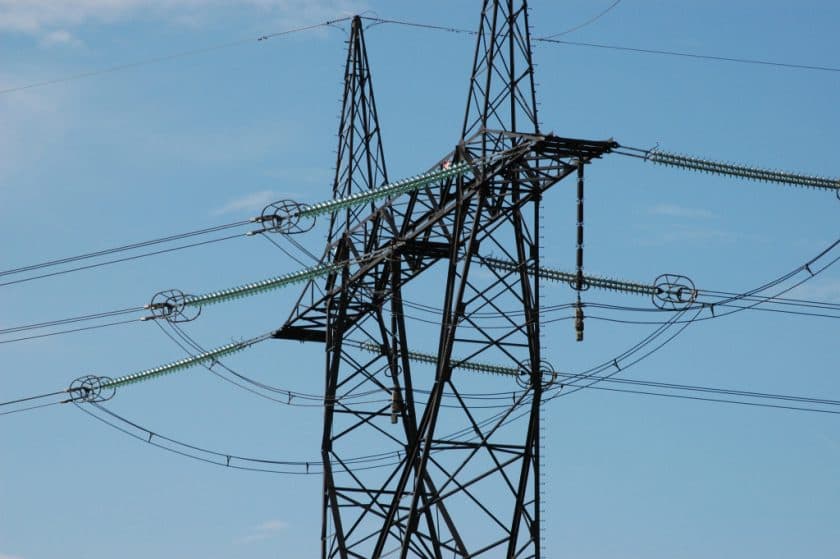
Electricity generation from solar power plants in Czechia will triple over the next decade, while generation from wind power plants will rise as much as 7.5-fold. To handle such an increase in energy from renewable energy sources (RES), the transmission system will need major investment. Experts from consultancy EGÚ Brno highlighted this in a press release, based on their analysis.
The company analysed several possible energy-sector scenarios for Czechia, taking into account the development of technology and energy commodity prices, the regulatory and subsidy environment, and the capacity of the grids to absorb new generation.
„Despite billions of crowns already invested, the new energy sector in the Czech Republic is still only at the starting line. At the beginning of 2024, installed photovoltaic capacity was approximately 3.6 GW, while wind capacity stood at 350 MW. Installed photovoltaic capacity as a group grew by 70 percent year on year,“ said Michal Macenauer, director of strategy at EGÚ Brno.
According to EGÚ’s central estimate, photovoltaic capacity will rise to eight GW by 2035, reaching as much as 11 GW in the high-growth scenario. Wind power capacity will increase to 2.5 GW in the central estimate and up to 3.5 GW in the high-growth scenario.
Experts say that connecting new sources to the grids within the timeframe envisaged in the high-growth scenario would be difficult to manage. „Distribution grids will have particular difficulty with small decentralized photovoltaic installations of up to 1 MW, which we estimate will account for approximately 25 percent of new capacity. But photovoltaics and renewable sources in general will by no means be the only problem. In general, the system will require major investment because, simply put, it will have to cope with a huge increase in capacity that is spread across many locations,“ Macenauer added.

According to EGÚ Brno, from a system perspective, the most cost-effective way to decarbonize the energy sector in the Czech Republic would be for the state to direct a larger share of subsidies towards building new electrical infrastructure and strengthening existing infrastructure, rather than providing direct subsidies for small-scale sources. Experts say the state will also have to prepare for a significant increase in the permitted investment levels for regulated network sectors, including both distribution and transmission. Alongside support for grid investment, EGÚ Brno’s analyses indicate that projects with long payback periods, which are often not commercially viable, would benefit the operation of a system with a large share of renewables. These include nuclear power plants and large-scale electricity storage in the form of new pumped-storage hydropower plants, for which there are many suitable sites in the Czech Republic.
Martin Durčák, chairman of the board of ČEPS, the company responsible for operating the transmission grid in Czechia, said on Sunday on Czech Television’s Otázky Václava Moravce programme that investment in the country’s transmission and distribution systems will need to increase by at least ten billion crowns a year in the coming years. This would bring the total to around 39 billion crowns annually. An amendment to the Energy Act, which sets out the conditions for electricity storage and aggregation, is among the measures expected to help strengthen the country’s grid.
Translation disclaimer
This article is a machine translation of the Czech original and has not yet been fully reviewed. In case of any doubt, please refer to the Czech version.
Sdílejte článek prostřednictvím:
You might also like

28 October 2026, 13:08

28 October 2026, 11:10

28 October 2026, 09:08
