Resilient and reliable infrastructure is the foundation of the energy transition
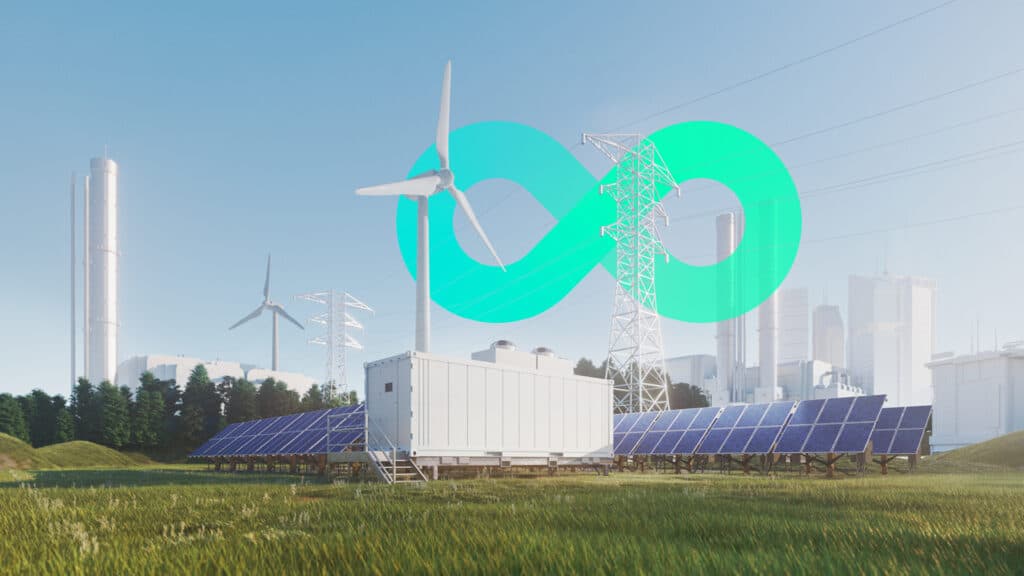
The energy sector is currently undergoing a fundamental transformation. Energy sources, generation methods, and the ways energy is transmitted and distributed are all changing. Electricity generation is becoming increasingly decentralised, while overall consumption continues to grow. For representatives of public administration, local governments, and operators of critical infrastructure, this means a need to build resilient, technologically advanced, and sustainable solutions. Siemens offers a comprehensive portfolio of products for these purposes and delivers turnkey technology systems—from solutions for integrating energy sources into the grid and efficient electricity distribution to projects for end customers.
High voltage—the nervous system of modern energy
The foundation of every reliable and resilient energy network is modern high-voltage infrastructure, which enables the safe, economical, and highly efficient distribution of electricity with optimal allocation of capacity. Siemens supplies a comprehensive portfolio of technologies used in the energy sector, industrial applications, public buildings, and energy-efficient infrastructure in modern cities.
Air- and gas-insulated switchgear are key components of both primary and secondary distribution networks. A major technological innovation in terms of sustainability is gas-insulated switchgear in the “SF6-free” version, which completely eliminates the use of the greenhouse gas sulphur hexafluoride and is therefore fully prepared for stringent environmental requirements in the future.
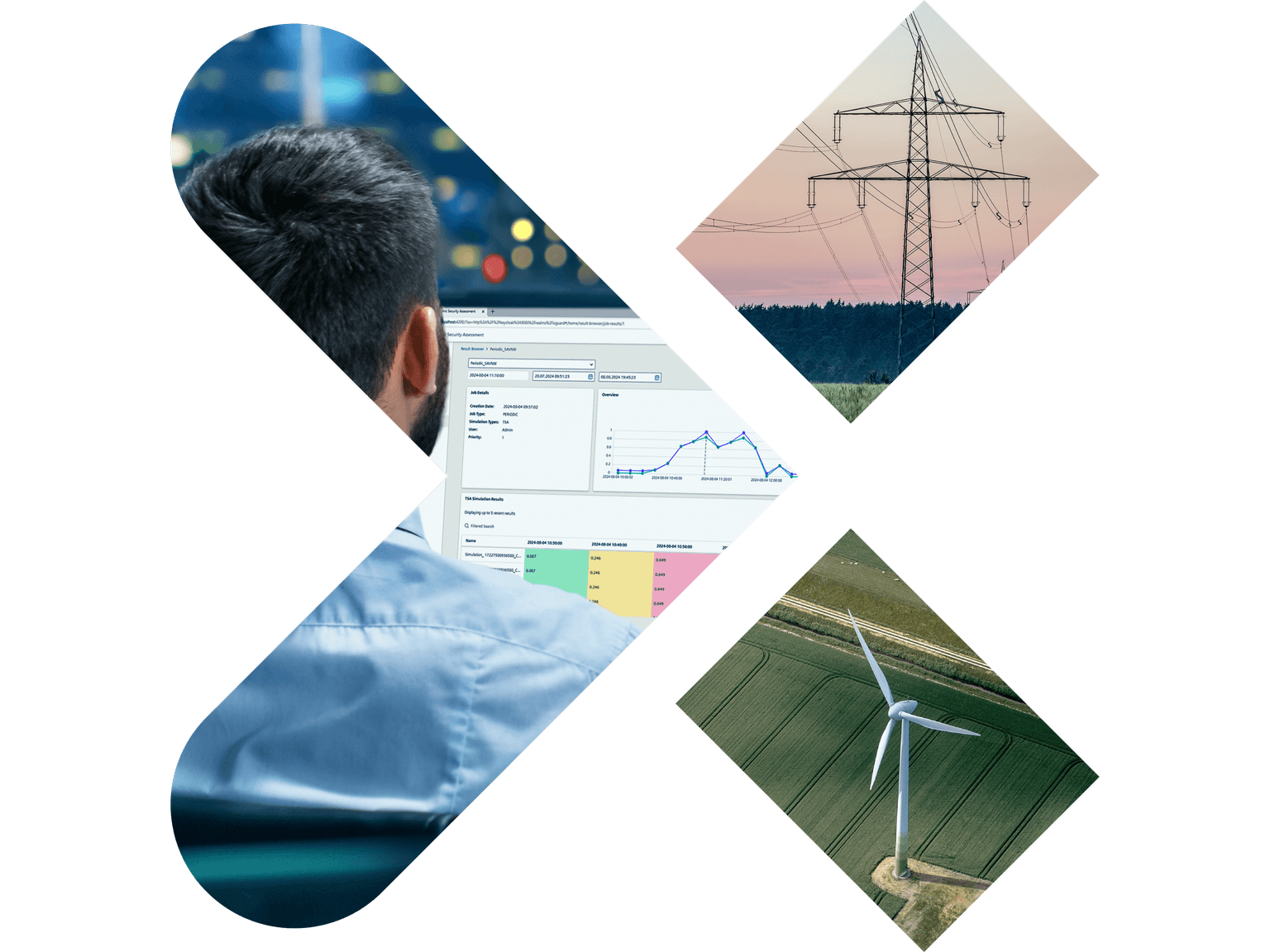
Physical infrastructure alone, however, is not enough in today’s decentralised world. The shift towards distributed energy generation and the integration of individual sectors require advanced automation. Substation automation and intelligent communication between the various components of the power system are essential for the reliable operation of the grid and security of supply. Siemens therefore complements its high-voltage technologies with innovative hardware and digital products that enable efficient grid operation while making the most of the benefits of digitalisation. Operators thus gain an advanced technological solution that is ready for dynamic changes in energy systems.
High demands on low voltage
While high voltage is used to transmit energy over long distances, reliable low-voltage distribution is essential inside buildings—whether government offices, hospitals, or data centres. Traditional cable systems are reaching their spatial and safety limits in these settings. Siemens therefore offers the SIVACON 8PS busbar trunking system as a safe and efficient alternative. Outdated cables are difficult to install and pose a fire-spread risk. Busbars eliminate these drawbacks thanks to their very low fire load and compact design. Their flexibility is crucial: when expanding the network, the system can be modified while energised, without interrupting operations. They also have a negligible impact on the electromagnetic environment, reliably protecting sensitive equipment.
The SIVACON S8plus modular low-voltage switchboards complement the busbars. They feature active internal arc protection, safeguarding personnel and equipment, and provide greater output in less space thanks to efficient cooling. Digitalisation is an essential part of modern infrastructure and is enabled by SIMARIS control software. This solution continuously monitors operational data, such as temperature and switching frequency. Diagnostics pave the way for predictive maintenance, with the system alerting operators that servicing is needed before a fault occurs. Integrating switchboards with IT systems and the cloud gives operators a complete overview of and control over the entire network.
Resilience and security in modern energy
The reliable operation of a modern energy network depends on advanced protection systems, which are essential for distribution system operators, electricity producers, and critical infrastructure facilities. Siemens draws on extensive experience in developing SIPROTEC and Reyrolle technologies, which have long helped ensure the stability and security of electricity supplies. The current technological standard is the SIPROTEC 5 product range, representing a new generation of intelligent digital protection devices. Its main advantage is a highly modular hardware and software architecture, allowing it to be precisely tailored to the specific requirements of each application.
Combined with the powerful DIGSI 5 engineering tool, these devices provide comprehensive protection, control, monitoring, and measurement functions in power systems. Given the ongoing digitalisation and decentralisation of the energy sector, cybersecurity is a particularly high priority for these systems. SIPROTEC 5 devices, for example, meet the strictest international standards for protecting critical infrastructure, including IEC 62443. Other security features include encrypted communication, role-based access control (RBAC), and measures to ensure the integrity of transmitted data. Grid operators thus gain an advanced and highly resilient solution that can respond to grid fluctuations in real time, prevent outages, and securely counter digital threats.
Modular E-houses: speed and flexibility for modern infrastructure
The energy transition is placing ever greater demands on infrastructure. The growth of renewable energy sources, the development of community energy, and electrification across the board require the ability to build or modify the grid rapidly. Siemens’ answer is modular E-houses—innovative prefabricated units that serve as fully functional substations, energy centres, or increasingly sought-after battery energy storage systems.
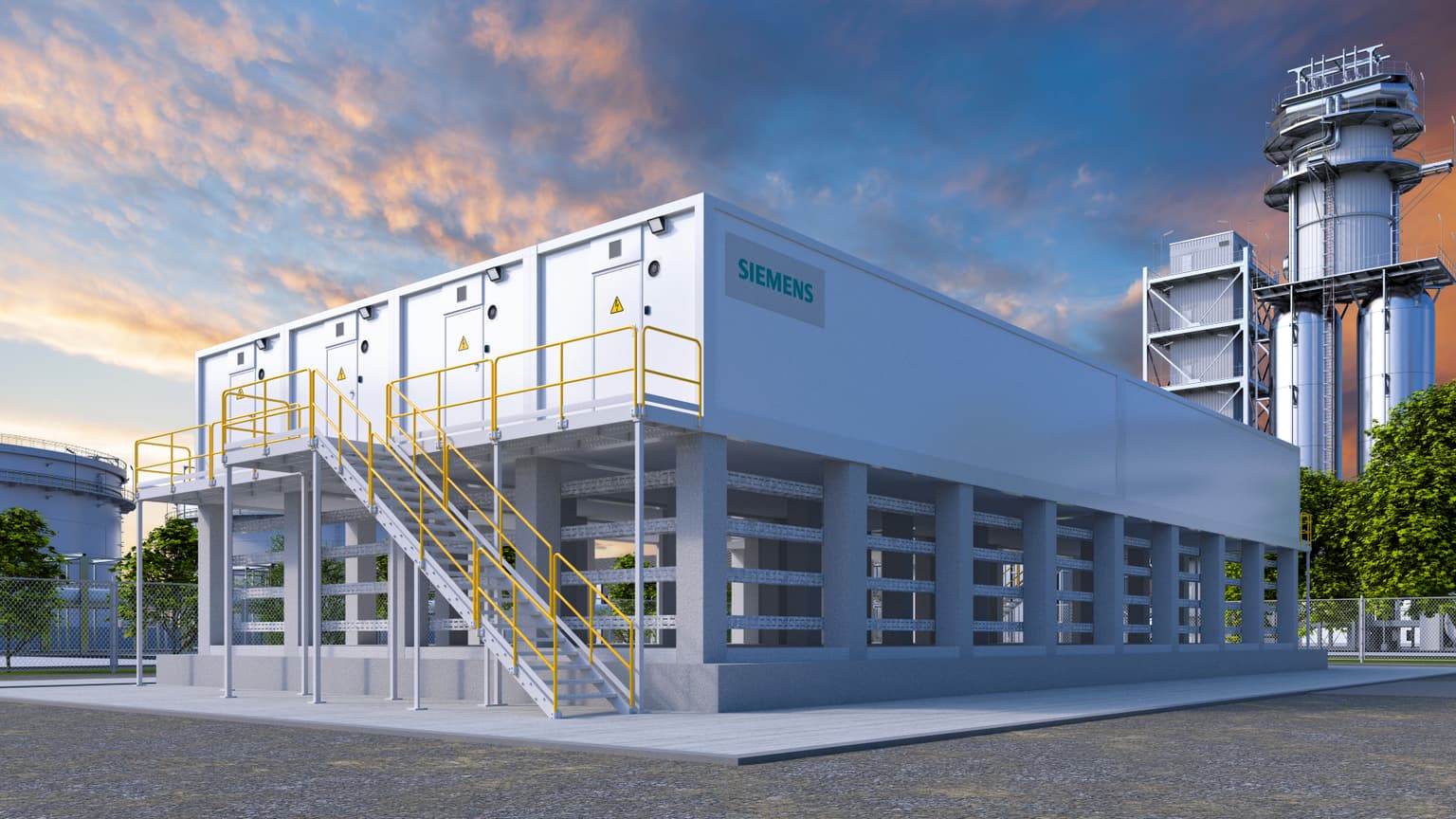
E-houses represent a radical departure from traditional, time-consuming concrete construction. They are built as modular units in a controlled factory environment, where the entire system is assembled and tested. This approach minimises the risk of errors and significantly improves workplace safety by eliminating the need to coordinate numerous subcontractors on a conventional construction site.
E-houses are delivered to their destination as ready-made, customised solutions. The individual modules simply need to be connected, so installation takes days or weeks, rather than many months. Customers particularly value the so-called “plug-and-play” approach. The technology is also fully scalable, allowing capacity to be flexibly increased or reduced to meet current needs. This delivers significant cost savings and reduces the environmental footprint.
The energy transition needs a solid technological foundation, and its success depends on achieving the highest possible levels of reliability and resilience. Implementing the technological innovations offered by Siemens enables operators to run their systems with exceptional efficiency, safety, and sustainability.
Translation disclaimer
This article is a machine translation of the Czech original and has not yet been fully reviewed. In case of any doubt, please refer to the Czech version.