20 November 2026, 06:51
Loading...
Copper could slow the energy transition. The world faces a deficit equal to 44% of demand

Jan Budín
20 November 2026, 06:51
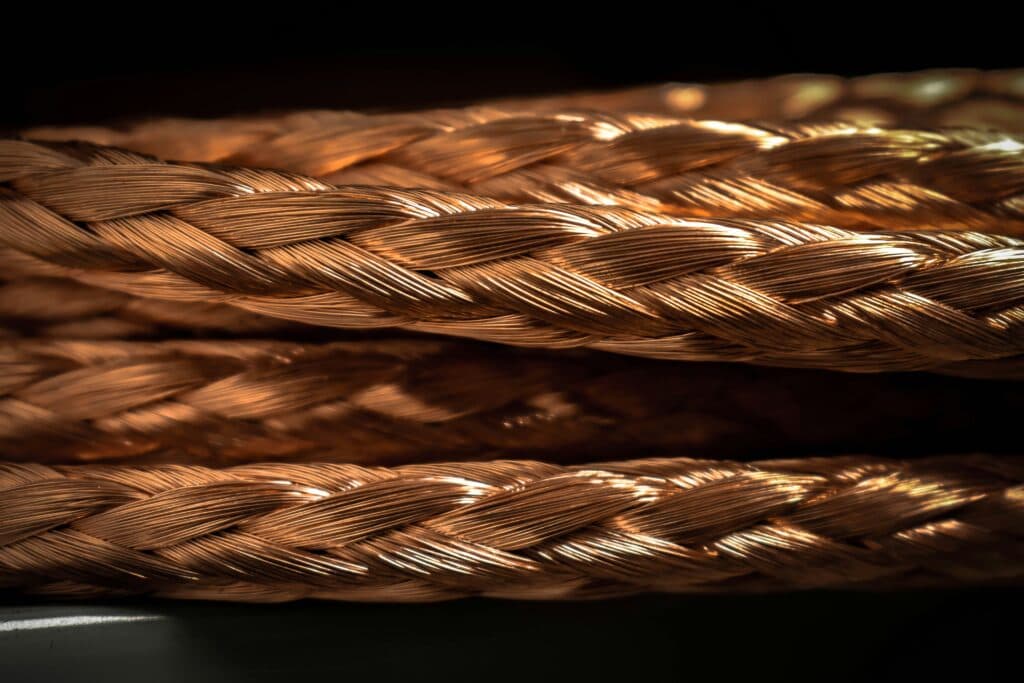
According to a new BloombergNEF (BNEF) analysis, the expected shortage of metals needed for the energy transition affects fewer raw materials than previous outlooks suggested. Copper is the exception. Its potential deficit could reach 44% of global demand by mid-century, requiring $332 billion in investment in new mines. If mining capacity is not built in time, this could slow and increase the cost of grid expansion and the electrification of transport and industry.
Just a few years ago, analysts warned that shortages of raw materials could hold back the development of clean technologies. BNEF now expects nine of the ten raw materials it tracks to have sufficient production capacity by 2050, provided mining companies develop new mines and replace depleted reserves. Last year, however, the analysis forecast deficits in three materials.
The improved outlook reflects investment in new supplies as well as developments in battery technologies. The growing share of lithium iron phosphate (LFP) batteries has lowered projected demand for cobalt and nickel. By contrast, lithium demand is expected to nearly triple by 2050 to 4.8 million tonnes of lithium carbonate equivalent, while graphite demand is expected to more than double to 6.9 million tonnes.
Translation disclaimer
This article is a machine translation of the Czech original and has not yet been fully reviewed. In case of any doubt, please refer to the Czech version.
The article continues for subscribers
Premium content
The rest of this article is available to premium subscribers only. Get access to all premium articles on oEnergetice.cz.
You have read only 22% of the article — unlock the remaining 78% with a premium subscription.
Best value: annual subscription
Monthly option 4 € / month
3.25 €/ month
You might also like

19 November 2026, 11:48

19 November 2026, 11:06