Rising solar capacity makes eclipses a greater challenge; Czech grid operator ČEPS is monitoring the situation

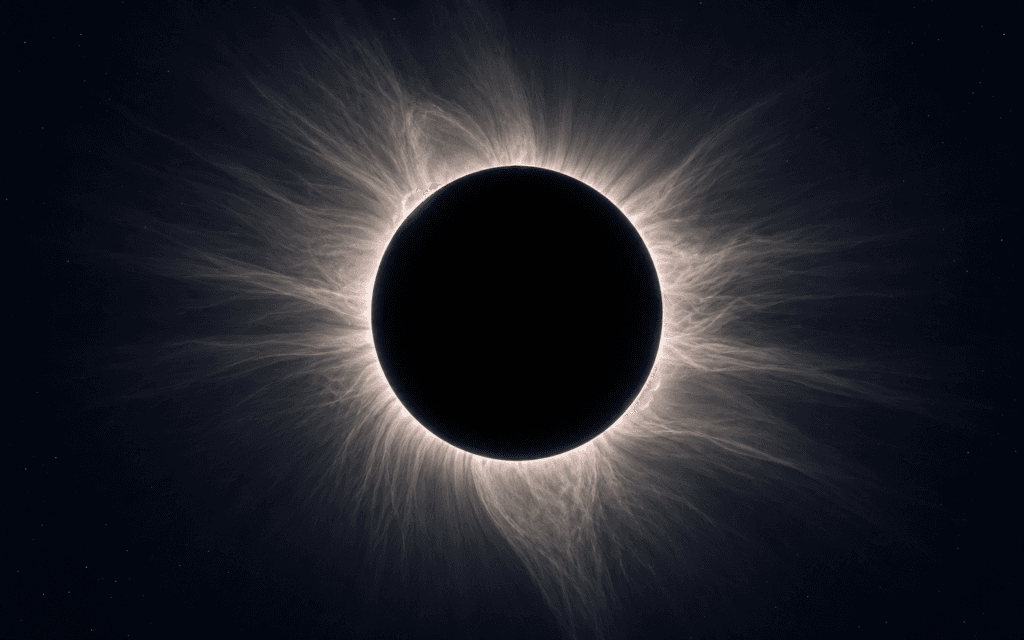
Today, between 19:15 and 21:30, electricity generation from solar sources in Europe could fall by almost 9700 megawatts. Transmission system operators (TSOs) in European countries are preparing for the impact of the total solar eclipse expected in Greenland, Iceland, Spain and Portugal. As solar energy’s share of electricity generation grows, coordination between transmission systems is becoming increasingly necessary.
History of eclipses’ impact on the European power system
In 1999, when a total solar eclipse could be observed over Europe, installed solar PV capacity was in the low hundreds of megawatts (roughly around 100 MW). The event therefore had virtually no significant impact on power system operation.
The first truly significant test for the European grid did not come until 2015. Although it was only a partial eclipse, its intensity and impact presented a major challenge for system operators. Preparations for the event were even coordinated by the association of European transmission system operators (ENTSO-E).
The eclipse began at 08:01 in western Portugal and ended at
11:58 in eastern Romania. Installed solar PV capacity in continental Europe was estimated at approximately 89 GW in 2015. The most significant anticipated challenge was a 20 GW reduction in generation within one hour, followed by an increase of almost 40 GW after the eclipse’s peak impact had passed.
Key measures included the option of controlled disconnection of part of the solar PV fleet, ensuring accurate generation forecasts, better monitoring of actual PV output and maintaining sufficient balancing reserves. The event demonstrated the importance of power system flexibility, rapid balancing mechanisms, coordination among TSOs and the development of quarter-hourly markets.
German operators, for example, kept conventional power plants running continuously, increasing the balancing capacity available to rapidly offset changes in generation. California’s grid operators took a similar approach, relying in 2017 on higher electricity imports and increased generation from gas-fired power plants.
The impact on the Czech power system in 2015 was almost negligible. The operator managed with the balancing capacity available and, although dispatchers were prepared to regulate conventional sources during the return of solar PV generation, no intervention was ultimately required.
The 2026 eclipse
The rapid but predictable change in generation caused by the 2026 solar eclipse will occur between 19:15 and 21:30. The event will therefore take place largely in the evening, when solar PV sources are no longer operating at full output.
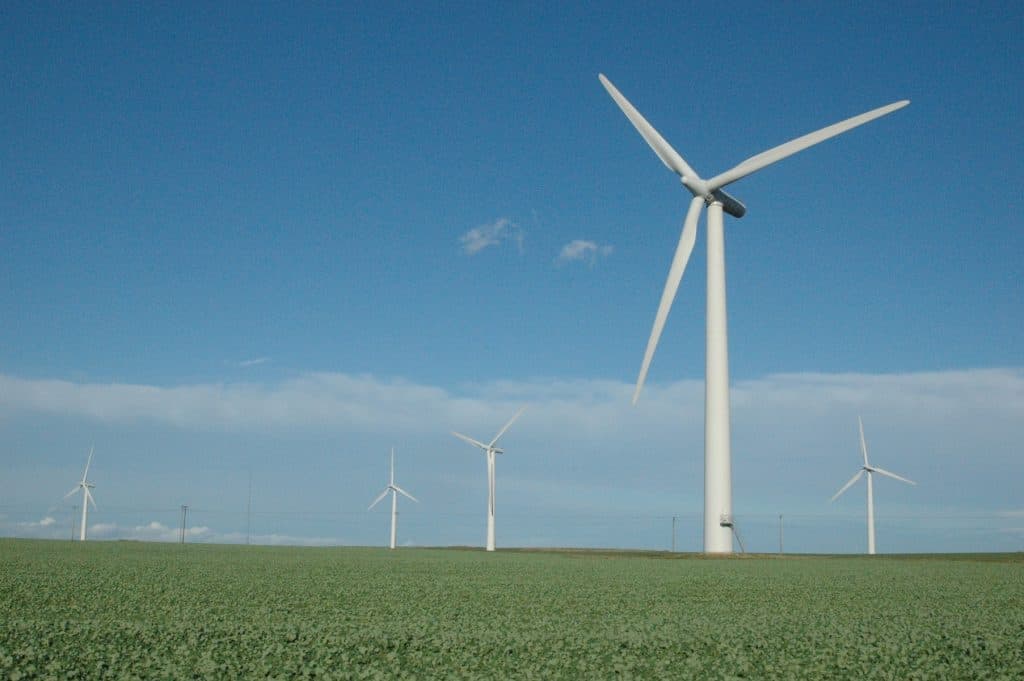
Over the decade, however, installed solar capacity in Europe has climbed to around 400 GW, more than four times its level at the time of the last eclipse in 2015. Solar generation has become an integral part of Europe’s energy mix and accounts for approximately 13 % of total electricity generation.
Spain and Germany will see the greatest impact
Spanish transmission system operator Red Eléctrica de España (REE) says the solar eclipse will temporarily reduce solar generation on mainland Spain by approximately 5 GW, but will not endanger electricity supplies.
The estimated decline in Spain represents around 13 % of peak electricity demand on a typical August Wednesday. However, the eclipse is not expected to coincide with the usual August demand peak, and the final impact will depend on weather conditions, particularly cloud cover.
According to forecasts by German transmission system operators, under cloudless skies electricity supplies from solar PV plants will fall by up to two gigawatts, while Germany’s total installed solar PV capacity exceeds 110 GW. The lower supplies will not affect security of electricity supply.
In France, the reduction in generation could reach up to 1800 MW, provided skies are cloudless. This represents 3 % of nationwide electricity generation.
Czech Republic to see partial eclipse, with no threat to system operation
In the Czech Republic, the eclipse will become partially visible only later in the evening, so its impact on solar PV generation will be relatively small. According to grid operator ČEPS, the eclipse will have only a minimal impact on the domestic transmission system.
"From the perspective of the Czech transmission system, we expect the impact of this year’s eclipse to be minimal. In managing the power system, ČEPS takes similar changes in solar PV generation into account. The development of generation from solar PV plants is continuously monitored and forecast, and any changes in output are reflected both in operational planning and in the actual management of the system," said ČEPS spokesperson Hana Klímová.
Translation disclaimer
This article is a machine translation of the Czech original and has not yet been fully reviewed. In case of any doubt, please refer to the Czech version.