29 October 2026, 16:16
Loading...
Solar PV and batteries will make up most of new capacity in the US this year

Eduard Majling
22 February 2024, 11:58
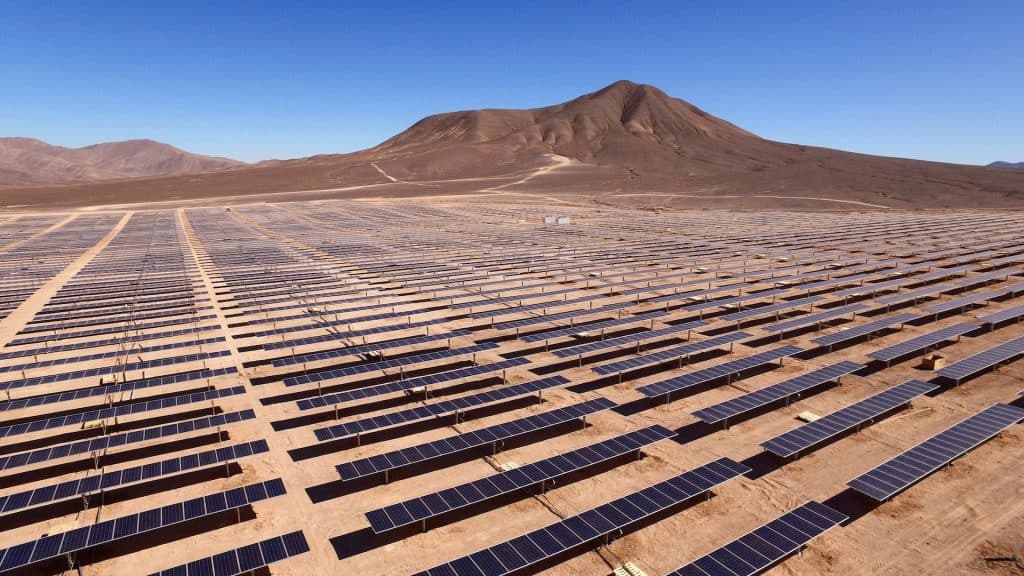
As in recent years, renewables are expected to account for most of the new generating capacity commissioned in the US this year. Capacity installed in battery storage systems, which help balance renewable generation among other things, is also growing at an increasingly rapid pace. Solar PV is expected to account for more than half of the projected new utility-scale capacity, with battery storage making up a quarter.
Developers are expected to commission a record volume of capacity this year, according to projections by the U.S. Energy Information Administration (EIA), the US government agency. For the year as a whole, the agency expects 62,8 GW of total installed capacity to come online in large-scale generation and storage facilities. This figure covers so-called utility-scale facilities, meaning power plants and storage systems with a capacity of at least one megawatt. For both solar PV and batteries, however, growth in total capacity is also being driven by installations at homes and businesses.
The agency's forecast of growth of more than 60 GW this year would therefore surpass last year's figure by 55%. That figure reached 40,4 GW last year, making it the strongest year in the past 20 years.

Map of new utility-scale power plants and electricity storage facilities in the US expected to begin operating in 2024. Source: EIA
As already noted, the strongest growth is once again expected in solar PV. According to the agency, developers plan to connect utility-scale solar PV plants with a capacity of 36,4 GW to the grid this year. This would double the increase recorded last year, which was already a new record for large-scale solar. More than half of the planned capacity is concentrated in just three sunny southern US states—California, Texas and Florida.
The largest solar PV plant, with an installed capacity of 690 MW, is expected to come online in Nevada, however. The Gemini project is also set to include battery storage with an installed capacity of 380 MW.
A record year, especially for battery storage
As with solar PV, battery storage construction is also growing rapidly in the United States. The agency expects another record this year, with 14,3 GW of new storage set to nearly double the current 15,5 GW. According to the EIA, utility-scale storage systems with a total capacity of 6,4 GW were connected to the grid last year. As with solar PV, Texas and California are expected to drive more than 80% of the growth. The EIA does not usually report the capacity of battery storage systems; in recent years, four-hour systems have been popular.
Wind power capacity is also expected to grow substantially, although not at a record pace. Installations have slowed in recent years, and this year's projected 8,2 GW remains well below the more than 14 GW recorded in 2020 and 2021.

Projected capacity growth at utility-scale facilities by technology and month this year. Source: EIA
For gas-fired power plants, the agency expects just 2,5 GW this year, which would be the lowest figure in the past 25 years. Nearly 80% of this capacity is expected to come from simple-cycle gas turbines, which are more flexible but less efficient. This would be the first time since 2001 that combustion turbines are once again expected to dominate over combined-cycle gas-fired power plants.
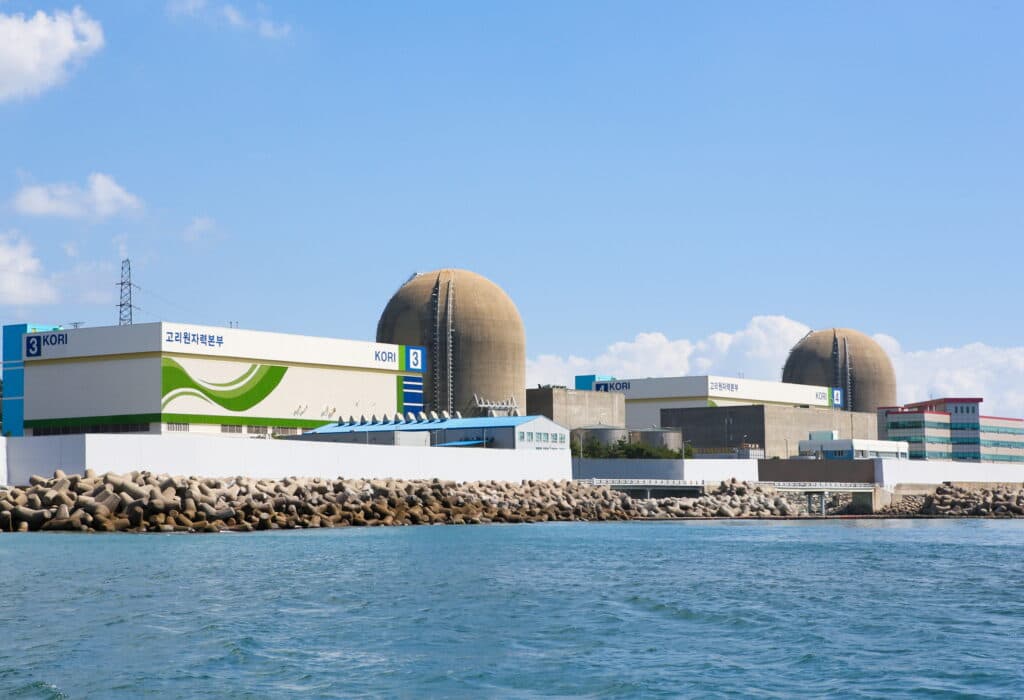
Unit 4 of the Vogtle nuclear power plant is also expected to begin operating this year. It was supposed to come online last year, but its start-up was postponed until this March.
Translation disclaimer
This article is a machine translation of the Czech original and has not yet been fully reviewed. In case of any doubt, please refer to the Czech version.
Sdílejte článek prostřednictvím:
You might also like
29 October 2026, 11:22
29 October 2026, 10:12