
28 October 2026, 15:10
Loading...
The cost of renewables is falling, but electricity generation costs will continue to rise

David Vobořil
13 April 2024, 14:27
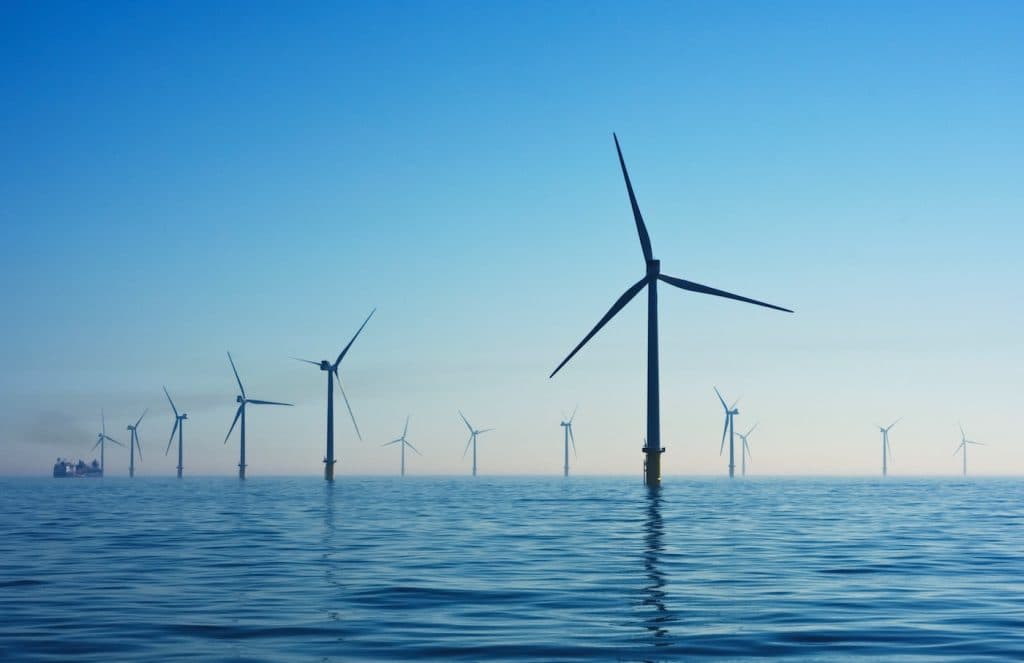
Electricity prices in Germany are unlikely to fall in the future, despite repeated claims that a complete transition to renewable energy will make electricity cheaper. A German government advisory council says so in its study, pointing to the need to account for the additional costs of meeting electricity demand when the Sun is not shining or the wind is not blowing. Overall electricity generation costs are therefore more likely to rise.
Although the average cost of generating electricity from wind and solar power plants and other renewable energy (RES) technologies has continued to fall in recent years, their intermittent output during periods of weak wind and limited sunshine means that maintaining a reliable energy system throughout the year will be no cheaper than under the current setup, the council says.
Levelized cost of energy (LCOE) is a measure that makes it possible to compare the economic viability of different energy sources. It is calculated as the ratio of all costs associated with building, operating and decommissioning a power plant (including any fuel purchases) to the amount of energy the plant generates over its lifetime. In Europe, it is most commonly expressed in EUR/MWh. The figures exclude subsidies and emissions allowance prices. Source: Fakta o klimatu.
Given the falling LCOE of solar and wind power plants, economic policy debates repeatedly claim that electricity costs will not remain at their current level but will fall as renewable energy expands. Based on this expectation, some stakeholders argue for temporarily subsidising electricity prices now to lower them and strengthen the competitiveness of energy-intensive industry in Germany.
One example is the industrial electricity price proposed by German Minister for Economic Affairs and Energy Robert Habeck. It assumes that large companies could directly benefit from low LCOE in the future if they were supplied by wind or solar parks.
“The declining levelized costs of electricity (LCOE) from renewable energy are repeatedly used to argue that electricity costs in Germany will fall. However, LCOE is not a reliable basis for estimating future electricity costs,” the council’s report says.
LCOE cannot be used to estimate future electricity costs because the output of wind or solar power plants, on which the LCOE calculation is based, does not always match the electricity demand profile. Demand when solar or wind power plants cannot supply electricity must be met by complementary technologies such as battery storage or gas-fired power plants and, in the future, hydrogen-fired power plants.
The investment and operating costs of these additional technologies must be included in the calculation of the cost of meeting demand. The study calls these costs the “levelized cost of load coverage” (LCOLC) and concludes, based on its calculations, that electricity costs will not fall significantly over the coming decade. Like LCOE, LCOLC is calculated without taking other system costs into account.
The LCOE of photovoltaic power plants is 4.07 ct/kWh for 2021 and 2.59 ct/kWh in 2040. By contrast, LCOLC is 6.49 ct/kWh for 2021 and as much as 7.68 ct/kWh in 2040. To arrive at final electricity prices, producer and supplier margins, network and other system charges, and taxes must be added.
Costs of meeting demand
The LCOE of photovoltaic power plants is 4.07 ct/kWh for 2021 and 2.59 ct/kWh in 2040. By contrast, according to the study, LCOLC is 6.49 ct/kWh for 2021 and as much as 7.68 ct/kWh in 2040. While the LCOE of renewable energy is falling, the cost of meeting demand is rising.
To arrive at final electricity prices, producer and supplier margins, network and other system charges, and taxes must be added. Taking into account the need for a significant expansion of the networks as renewable energy continues to develop, this cost item will also rise in the future.
The costs of complementary technologies can be limited by policy decisions—for example, if the state subsidises a large share of the gas and hydrogen power plants required, or if they operate outside the market. These costs will not disappear, however; they will show up either in final electricity prices for consumers or through current or future taxes.
Flexibility will also play a role
The study does not account for demand-side flexibility, but notes that this also entails additional costs. For example, industrial companies would have to install storage facilities or increase their production costs through longer shutdowns and flexible operation of equipment. However, many operations can be optimised without significant additional costs. Making demand more flexible would therefore bring improvements, but the authors say it will only happen to a limited extent and will not be able to fully adapt demand to generation patterns.
“Many consumers will not adjust their electricity consumption according to the availability of sunshine or wind, but will instead continue to keep their demand constant,” the council’s experts expect.
Translation disclaimer
This article is a machine translation of the Czech original and has not yet been fully reviewed. In case of any doubt, please refer to the Czech version.
Sdílejte článek prostřednictvím:
You might also like

28 October 2026, 13:08

28 October 2026, 11:10

28 October 2026, 09:08
