
17 October 2026, 13:09
Loading...
German drivers choose electric cars mainly to save on fuel

Jan Budín
20 June 2025, 06:21
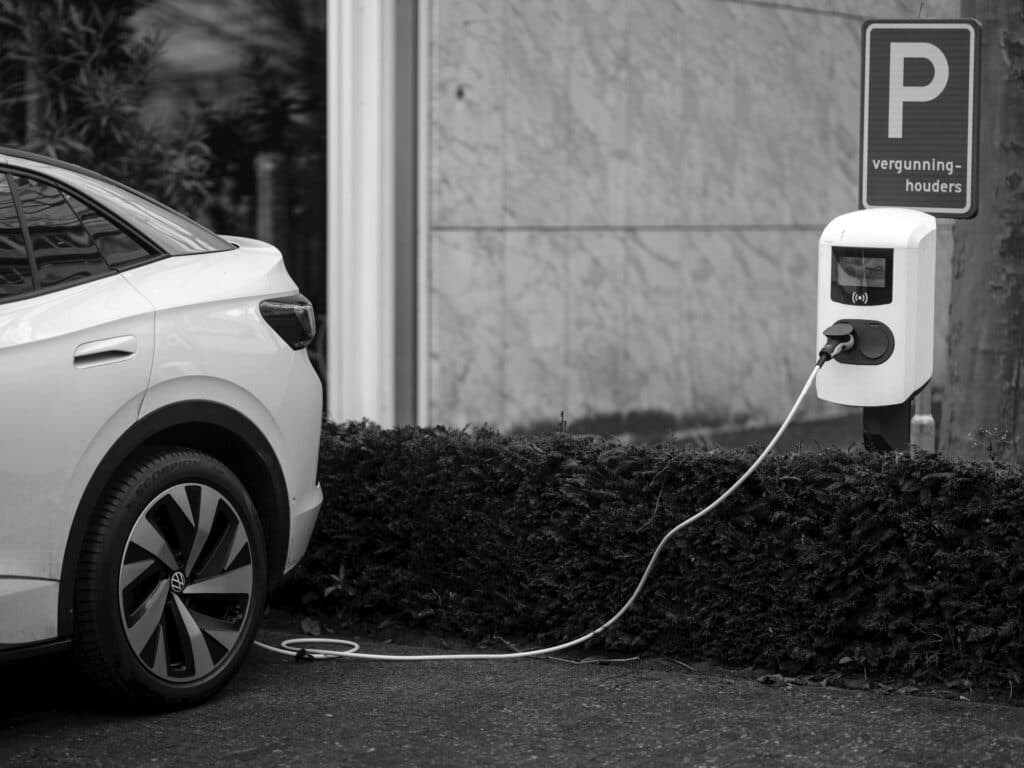
Most German drivers switched to battery-electric cars because of lower fuel costs. According to a survey conducted by German energy company E.ON, this was the case for 59% of respondents. Around half of those surveyed cited climate protection as a reason for switching to an electric car. The international news outlet Clean Energy Wire reported.
E.ON surveyed 1,000 drivers who had decided to switch to a battery-electric car. The results show that lower fuel costs were the main motivation. Lower servicing costs, lower taxes and cheaper parking also played a part in their decision.
According to E.ON, around half of respondents said they had been concerned about the cars' limited range, but those concerns mostly faded after they had experience with the electric car they bought.
"Uncertainty and reservations about electric mobility are often seen among people who have not yet had the opportunity to try an electric car themselves," said Jens Michael Peters, director of energy solutions and electric mobility at Germany's E.ON, adding that registration figures for the first half of 2025 and the survey results point to the practicality of these cars and growing interest in them.
Falling sales put previous government's target at risk
New registrations of battery-electric cars in Germany fell by more than a quarter year on year last year after subsidies for electric car purchases were abruptly ended amid a budget crisis.
The shift to electric mobility is one of the main pillars of Germany's strategy to reduce greenhouse gas emissions. The previous German government aimed to have 15 million battery-electric cars on the road by 2030.
However, this target is now practically unattainable given the current pace of development and the fact that around 1.4 million electric cars are currently on German roads.
Automakers call for ban on sales of new combustion-engine cars to be scrapped
Germany's most prominent automotive association, the VDA, whose members include groups such as VW, Mercedes and BMW, called in early June for the ban on sales of new combustion-engine cars from 2035 to be scrapped, citing last year's low electric car sales and generally weak demand for electric cars.
The governing SPD party has, however, signalled that it would oppose the German government adopting the proposed position, arguing that this would seriously undermine planning certainty and investment security for automakers.
Interestingly, the other governing party, Chancellor Friedrich Merz's CDU, called for a similar measure to the one proposed by the VDA ahead of this year's election. However, it failed to get the measure included in the coalition agreement.
Translation disclaimer
This article is a machine translation of the Czech original and has not yet been fully reviewed. In case of any doubt, please refer to the Czech version.
Sdílejte článek prostřednictvím:
You might also like




16 October 2026, 10:16