Germany buys fewer electric cars, with only one in eight cars this year

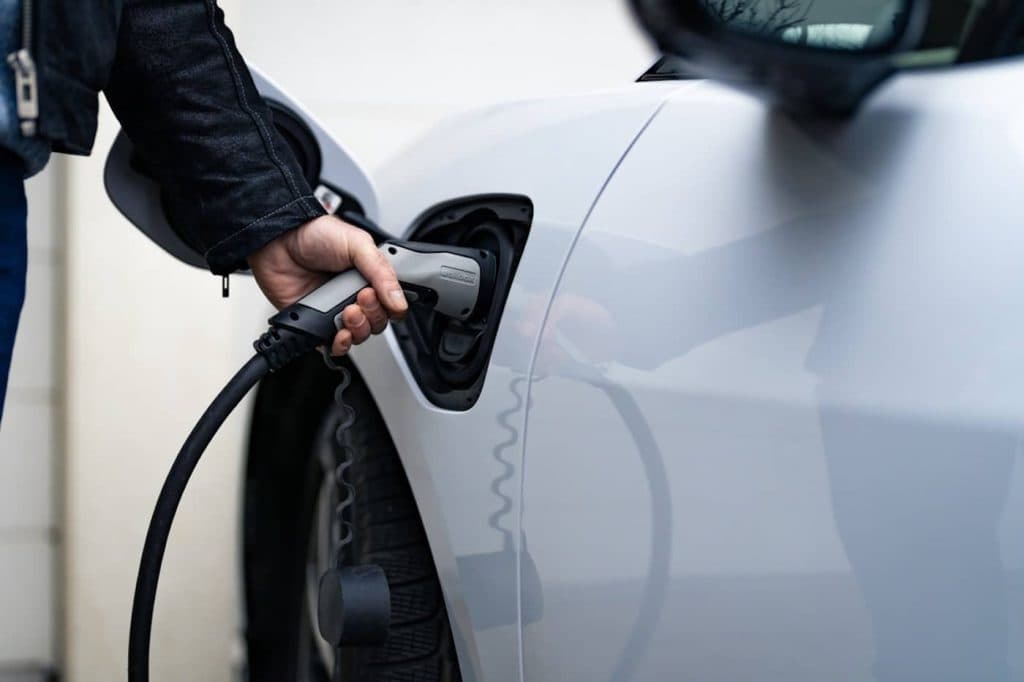
The share of newly registered electric cars in Germany fell to 12.5% at the start of 2024, from 15.8% in 2023. The decline threatens Germany’s goal of having 15 million electric cars on its roads by the end of the decade.
Germany’s Federal Motor Transport Authority (KBA) recorded a decline in the number of newly registered electric cars. Germany has set an ambitious target for electric mobility for 2030, as reported by Clean Energy Wire.
The share of newly registered battery-electric passenger cars in Germany fell to 12.5% in the first six months of 2024. In the first half of 2023, the authority had recorded an increase to 15.8%. The share of cars with alternative powertrains, including hybrid vehicles that also have an internal combustion engine on board, stood at 43.9% over the same period. Of the nearly 1.5 million passenger cars registered in total, more than 645,000 were vehicles with powertrains using batteries, fuel cells and hydrogen, among others.
For all of 2023, fully battery-electric cars accounted for nearly one fifth of all new registrations. Since the beginning of this year, however, the motor transport authority has been recording a steady decline. The government’s and German automakers’ goal of getting at least 15 million electric cars onto German roads by 2030 appears increasingly difficult to achieve in light of sales figures. A recent survey found that two-thirds of Germans want a transition to electric mobility, while one third are willing to give up their car with an internal combustion engine.
Rising tariffs and the end of subsidies
One reason for the decline in electric car sales, according to the German automotive industry, is the increase in EU tariffs on electric cars from China. Industry representatives have criticised the measures, pointing out that similar policies slow the transition to electric mobility.
Another frequently cited reason for the decline is the gradual phasing out of state support for electric car purchases. At the beginning of 2023, the grant for buyers was reduced, leading to a temporary drop in new registrations. Support for company electric cars was also discontinued from September 2023, and after the budget crisis at the end of the year, the government decided to end all support for electric cars almost overnight.
The transition to electric vehicles remains a controversial issue in Germany given its massive automotive industry, despite the ambitious target for electric mobility. Some German conservatives are calling for the repeal of the EU ban on registering vehicles with internal combustion engines, which is due to take effect in 2035.
Translation disclaimer
This article is a machine translation of the Czech original and has not yet been fully reviewed. In case of any doubt, please refer to the Czech version.




