10 November 2026, 16:31
Loading...
IRENA: Bidirectional electric vehicle charging can support the energy transition

Jan Budín
18 August 2023, 11:22
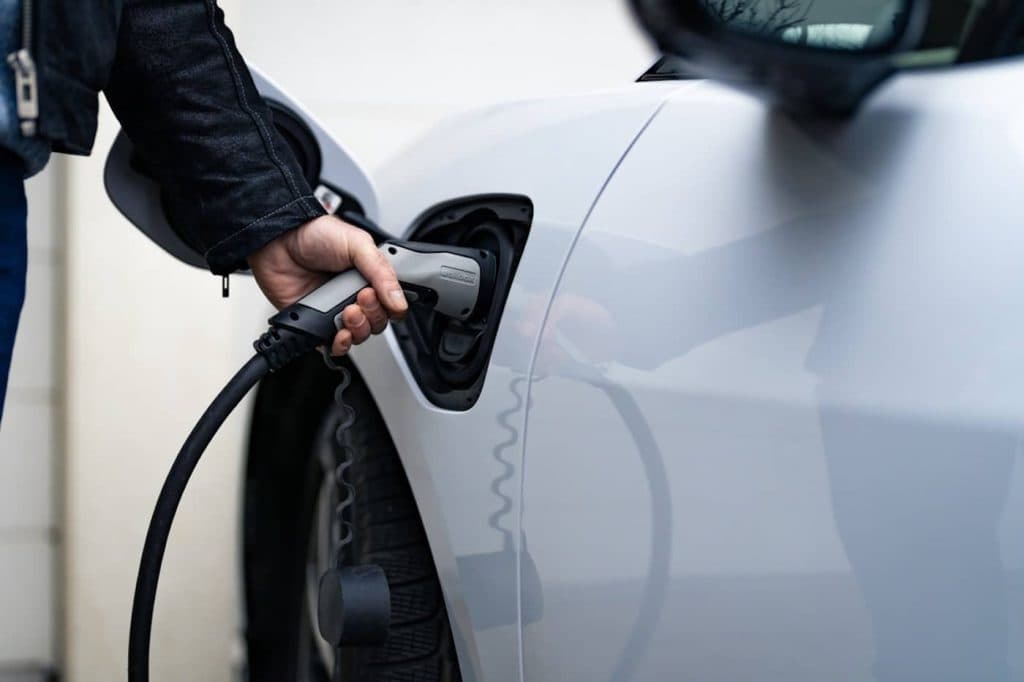
In addition to helping reduce greenhouse gas and air pollutant emissions, electric vehicles could also play an important role in balancing the power system as part of the energy transition. However, a number of challenges will need to be overcome before this can happen. The International Renewable Energy Agency (IRENA) reported.
According to IRENA, more than two billion passenger electric vehicles could be on the road worldwide by 2050 as efforts to meet decarbonisation targets continue. However, managing this expected rapid growth and making use of the opportunities it brings will pose a number of challenges for transmission and distribution system operators. Smart electrification strategies will be essential to address these challenges, the agency says.
One such smart strategy is so-called smart bidirectional charging, which would enable electric vehicle batteries to help stabilise transmission and distribution systems.
"Cars are designed to transport people, but for most of their lifetime they are not in use and are parked near homes or workplaces. Most studies show that cars are unused 90 to 95 % of the time. If these vehicles were electric, they could bring significant additional value to their owners and the environment if connected to the power system," IRENA said.
Translation disclaimer
This article is a machine translation of the Czech original and has not yet been fully reviewed. In case of any doubt, please refer to the Czech version.
The article continues for subscribers
Premium content
The rest of this article is available to premium subscribers only. Get access to all premium articles on oEnergetice.cz.
You have read only 38% of the article — unlock the remaining 62% with a premium subscription.
Best value: annual subscription
Monthly option 4 € / month
3.25 €/ month
You might also like

10 November 2026, 15:19
10 November 2026, 10:23

10 November 2026, 09:48

10 November 2026, 06:21