
20 October 2026, 15:34
Loading...
Nissan LEAF (Part 1): Agile and surprisingly comfortable companion
Tomáš Jirka
11 May 2016, 18:27
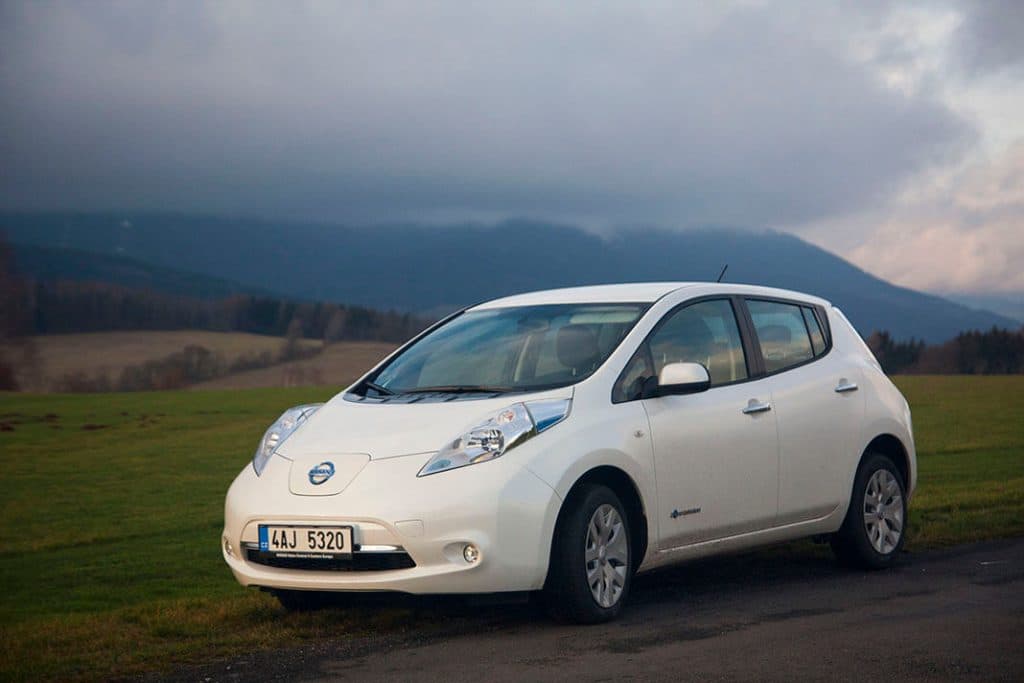
The Nissan LEAF has been on the market since late 2010 and, with 220,000 units sold, is the world's best-selling pure electric vehicle, having triggered a similar avalanche to the Toyota Prius at the turn of the millennium. Its second generation, with a longer range and hopefully a lower price, based on the Nissan IDX concept, should arrive within two years at the latest.
The LEAF is therefore neither a new arrival nor a rarity on the roads. Does it make sense to consider buying the “old” LEAF when the Chevrolet Bolt and Tesla Model 3 will soon come to market? This series will look at that question and at the differences between operating an electric vehicle in Sweden and the Czech Republic.
I try to be objective, but after those few thousand kilometres behind the wheel and in the seats of this electric vehicle, I have already been “affected” by it, and apart from sports cars I cannot imagine an internal-combustion engine. What's more, I rather like the LEAF, both for its design and its size ????
Author's note
Controversial exterior design and dimensions
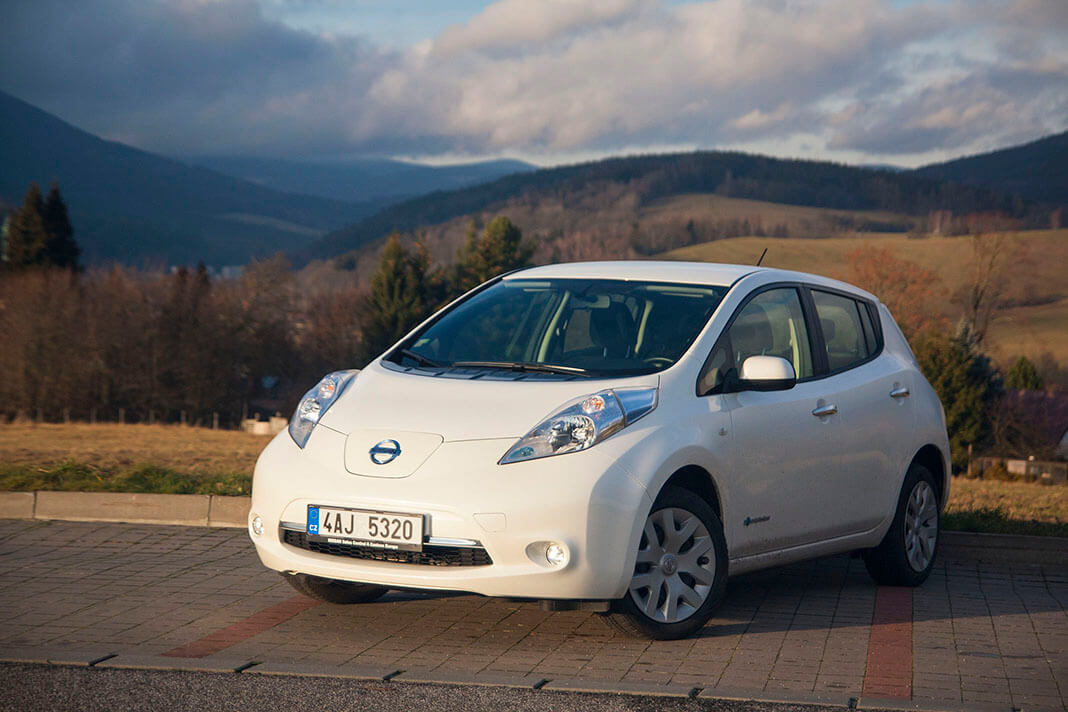
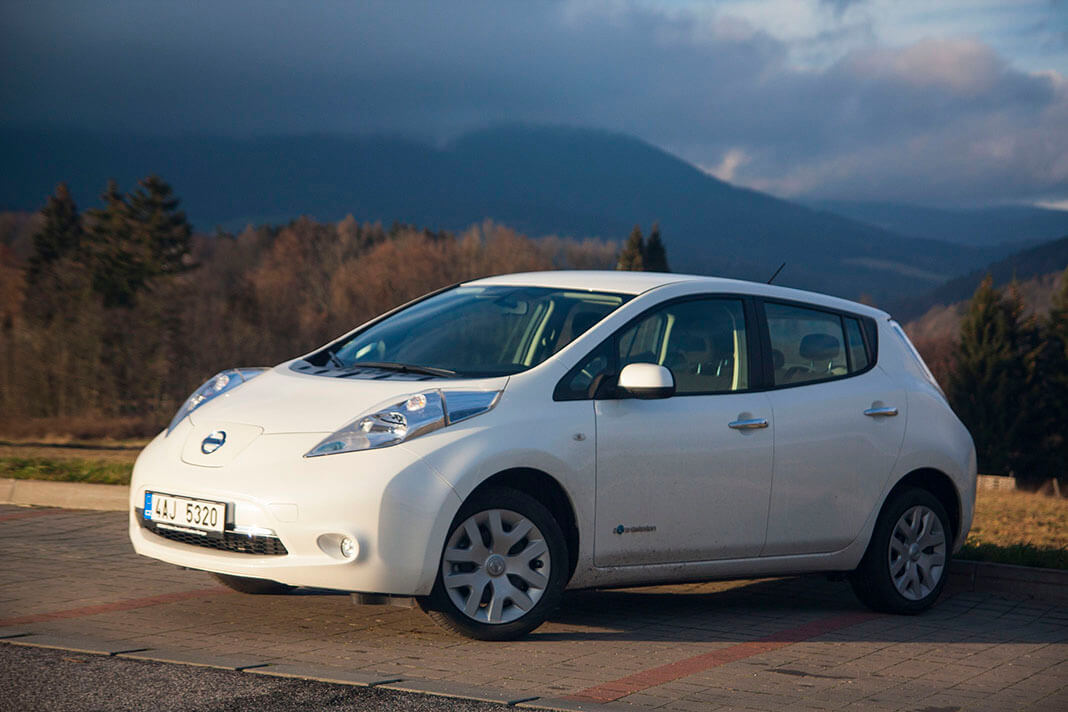
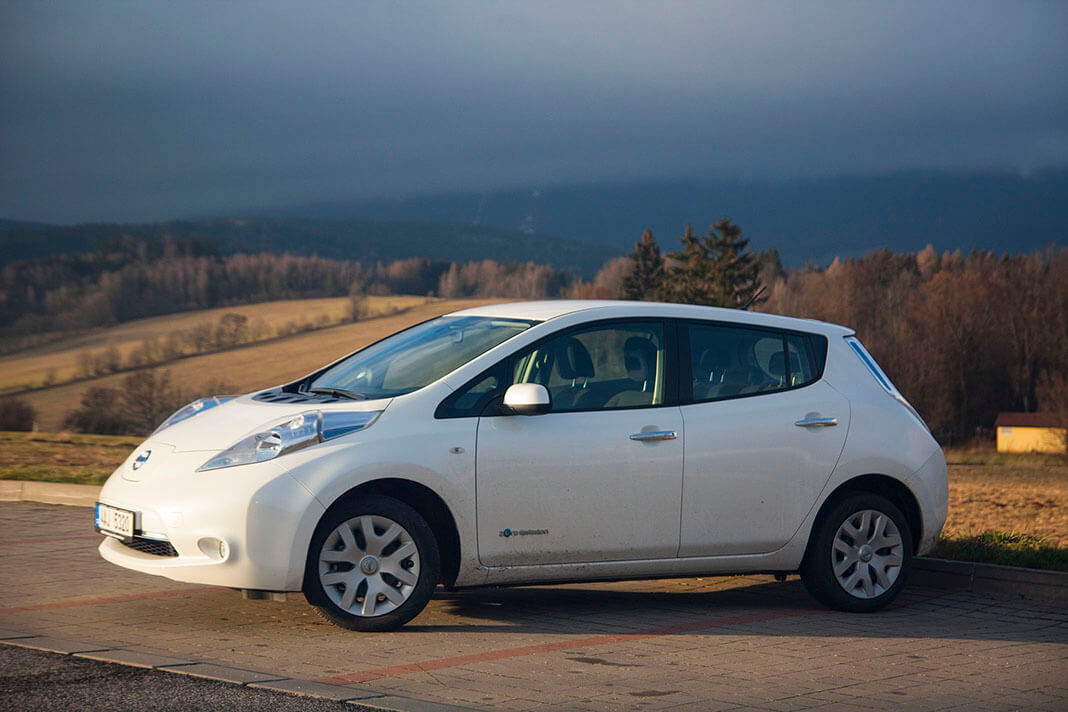
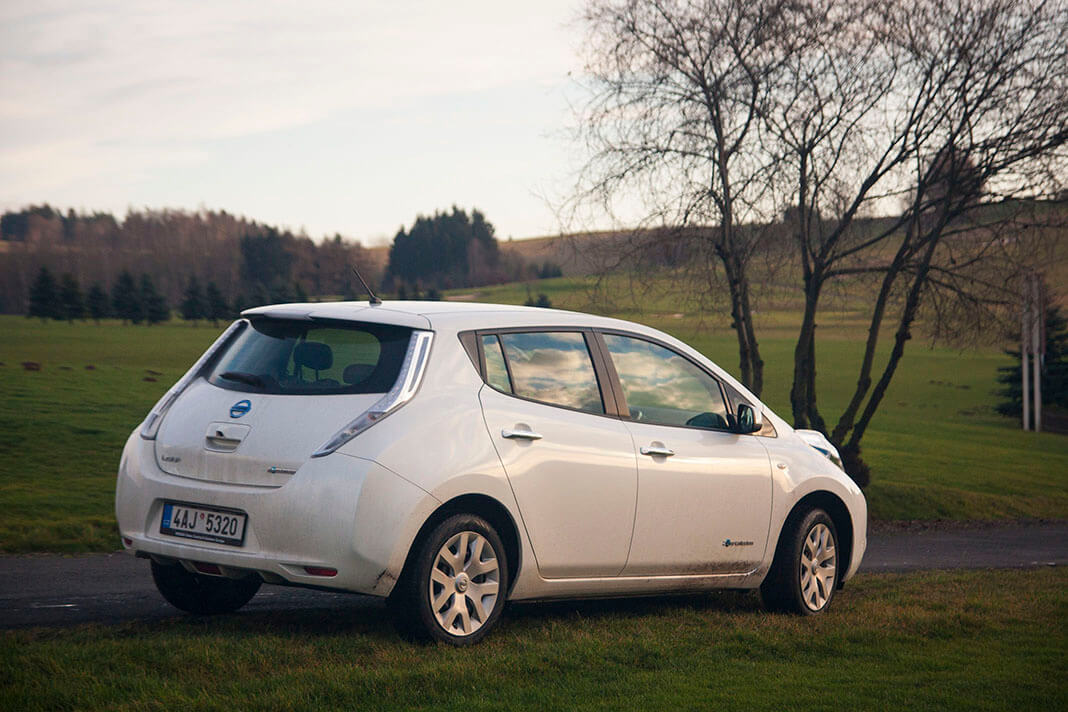
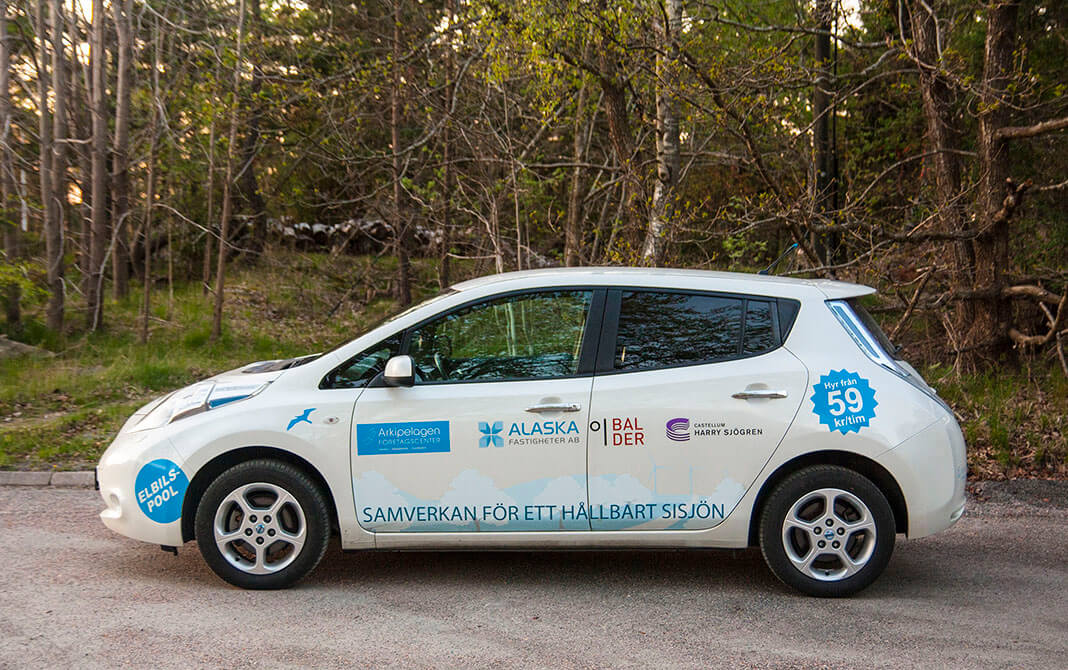
The creators of the Nissan LEAF followed the idea that an electric vehicle must stand out from other cars through its appearance alone. The beauty of its design is entirely subjective, but it must be said that the Nissan LEAF is unconventional. Personally, I like it, especially after the 2015 facelift and in dark colours.
I was loaned the car twice by Nissan Czech Republic and (so far) once by Swedish electric car rental company MoveAbout.se, and on neither occasion have I got hold of anything other than a white version. Another thing is that “wheels make the car”, and not all the available variants suit it (see the Swedish example).
The LEAF is not actually such a small car. It is a hatchback and belongs to the lower-medium segment, but it substantially outgrows competing Ford Focus and Volkswagen Golf models. The designers also focused on ensuring sufficient interior space, so its wheelbase reaches 2.7 metres, more than that of the third-generation Škoda Octavia.
| Length [mm] | Width [mm] | Height [mm] | Wheelbase [mm] | Boot capacity [l] | Weight [kg] |
|---|---|---|---|---|---|
| 4445 | 1770 | 1550 | 2700 | 370 | 1550 + 395 |
To minimise driving losses, attention was paid to aerodynamics, and Nissan boasts a drag coefficient of Cx = 0.29. Cars with hatchback body shapes generally have it somewhat harder, but 0.29 is not a particularly outstanding figure these days. Current Mercedes models can achieve 0.22, while the Tesla Model S achieves 0.24, though these are significantly more expensive competitors. Looking at the same price range, for example, the Peugeot 508, which cannot benefit from the absence of a radiator as an electric vehicle can, has achieved 0.25.
But it was not only about minimising driving resistance. In an electric vehicle, any noise is much more noticeable because there is no engine noise. This is also why the LEAF has such distinctly shaped lights – they direct airflow so that it flows more smoothly around the exterior mirrors.
Well-equipped and pleasant interior
The Nissan LEAF is offered in three successive trim levels: Visia, Acenta, Tekna. Looking at their comparison on Nissan's website, we find that they do not actually differ all that much.
Essentially, the top trim includes leather upholstery, LED headlights, a 7-speaker BOSE audio system, a solar cell above the brake light and a panoramic camera system for parking. Meanwhile, the entry-level trim lacks the fairly important cruise control and automatic lights.
Nevertheless, all trims are fairly generously equipped and include a rear-view camera, navigation system, tyre-pressure monitoring system, pollen filter, heated front and rear seats and steering wheel (which consumes far less energy than heating air through the climate-control system), multifunction steering wheel, automatic climate control, and keyless unlocking and starting.
I was somewhat surprised that the Swedish example had the combination of a solar cell and tinted windows from the top trim, yet still had suede upholstery. I would be surprised if trims differed between countries.
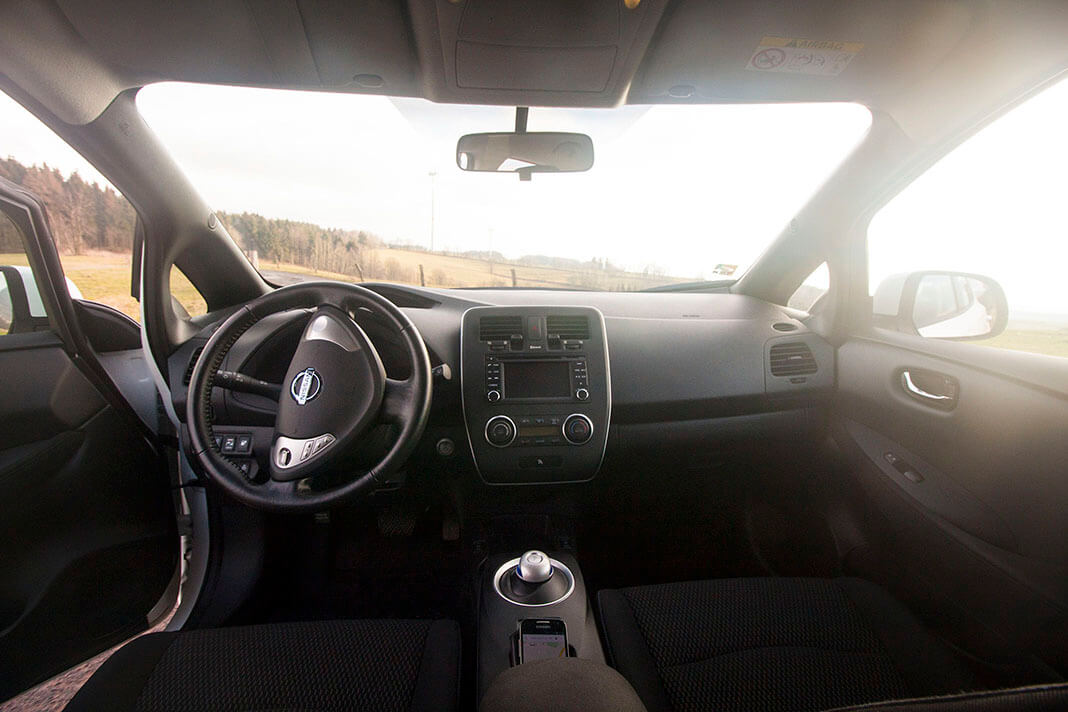
However, as is common in Japanese cars, the steering wheel is adjustable only for height, not reach. Yes, I am not of standard build, but this is one of the things I find hugely disappointing about the LEAF, especially as this is not a car costing Kč 200,000.

Upholstery and interior space
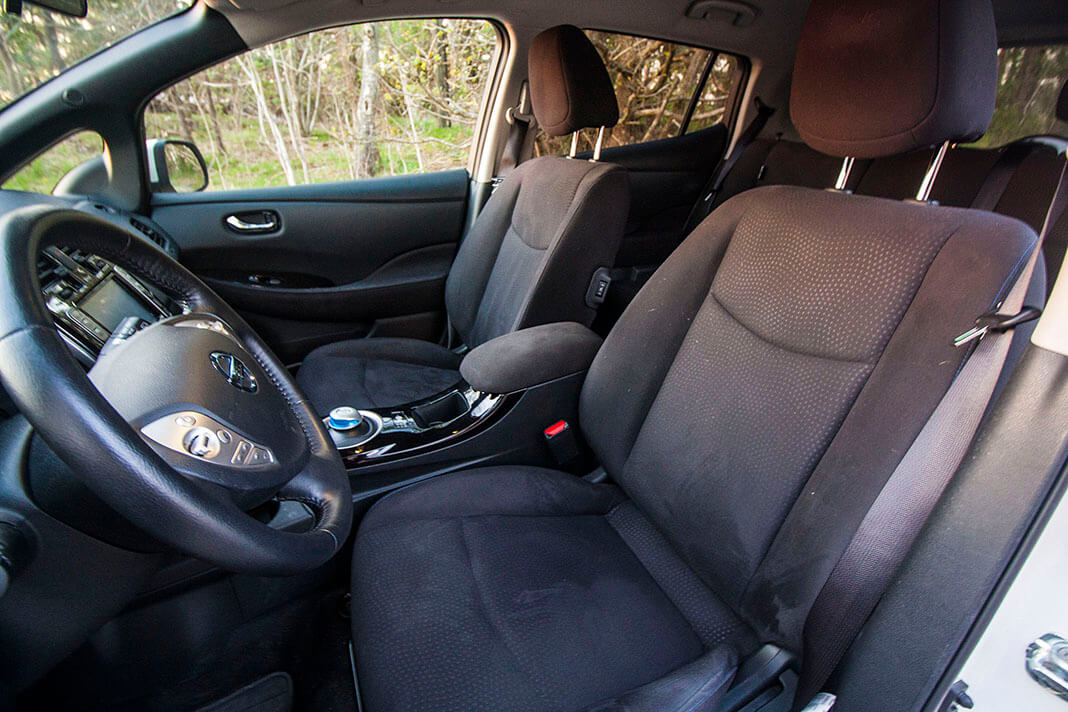
I have to admit that the suede upholstery of the Acenta trim genuinely delighted me. Not only the seats but also the armrest and doors are covered in suede. However, I cannot say that the fabric upholstery in the entry-level trim is bad. In both trims, the seats are very pleasant and the interior, with its pronounced centre tunnel, still looks good even after all these years!
I never noticed the dashboard reflecting in the windscreen, although the Scandinavian evening sun can make driving quite unpleasant. A definite thumbs-up for that!
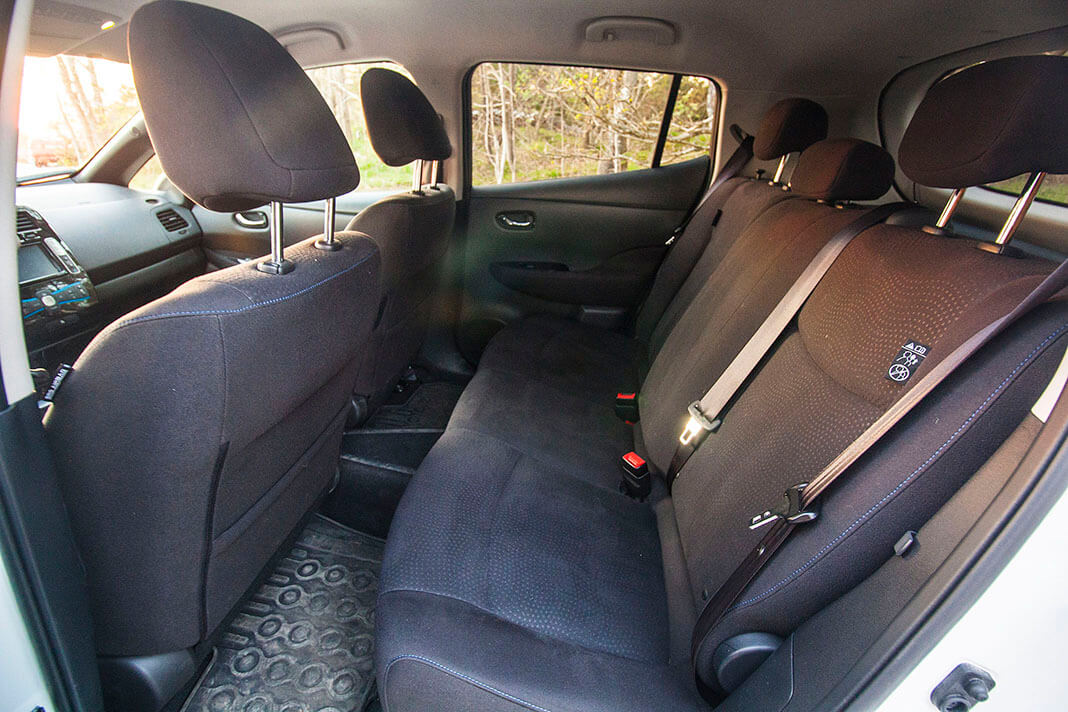
Given my height, I could not fail to try whether I could sit behind myself. Not only was it no problem at all, but the rear seats are also very soft and comfortable. I could only imagine two more distinctly shaped seats there and a fold-out armrest from the middle section of the rear bench, because there is not really space for three people anyway. Still, a three-point seat belt is provided for the middle seat in emergencies.
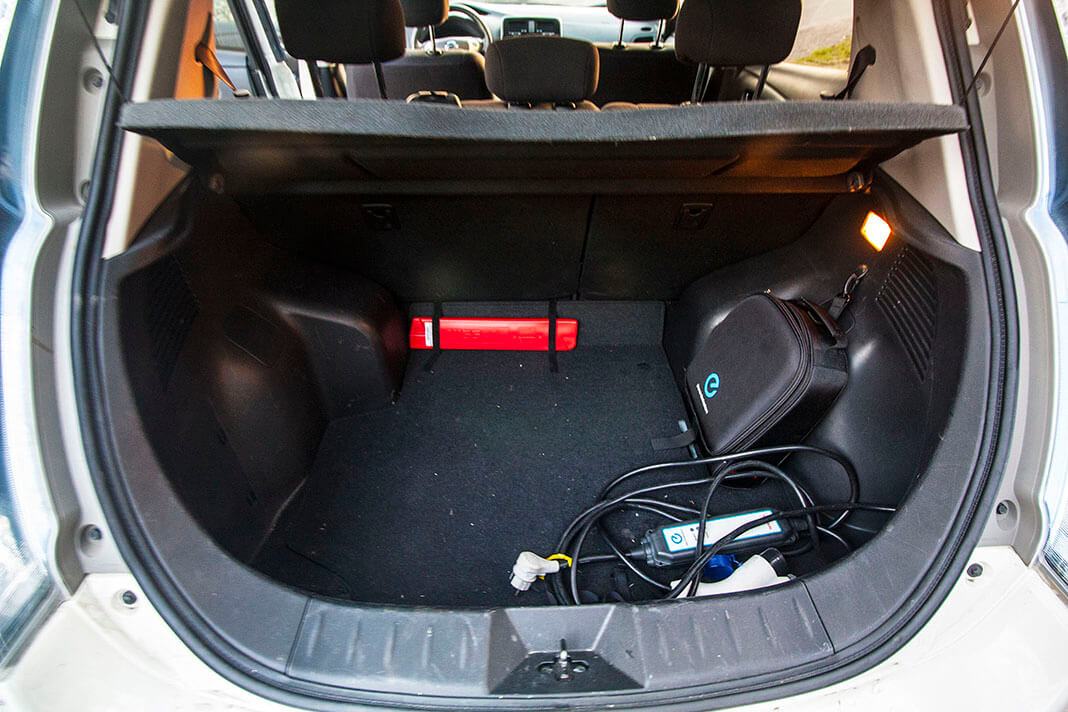
The boot has a capacity of 370 litres and a rather awkward shape. Moreover, the box for the charging cable must be deducted from it. Nevertheless, I would describe it as entirely adequate, and we had no problem even on a four-day road trip around southern Sweden with four people.
For a family, loading a pram or carrying “essentials” such as a coffee maker on holiday, it is of course small, and the fairly high loading lip and irregular shape can also be a problem. This is where family estates, led by the Škoda Octavia, simply reign supreme.
Driver's area and onboard multimedia system
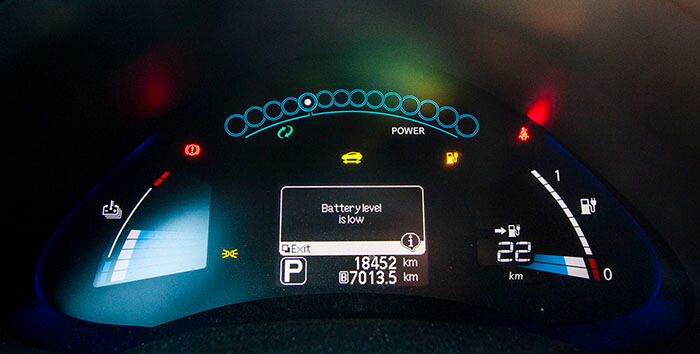
The Nissan LEAF is equipped with a fully digital instrument cluster that displays the most important information for the driver: battery charge and temperature, use of the electric motor in motor or generator mode, and other information icons. The display is easy to read and non-reflective.
Above it is a kind of head-up display with information such as how environmentally friendly the driver is driving (up to five little spruce trees can be grown), as well as speed and time. A head-up display projected onto the windscreen would nevertheless be somewhat nicer.
The steering wheel houses the controls for cruise control and the speed limiter. They are easy to find by touch, but it is a mystery to me why it can be activated only by pressing the button downwards and not upwards too.
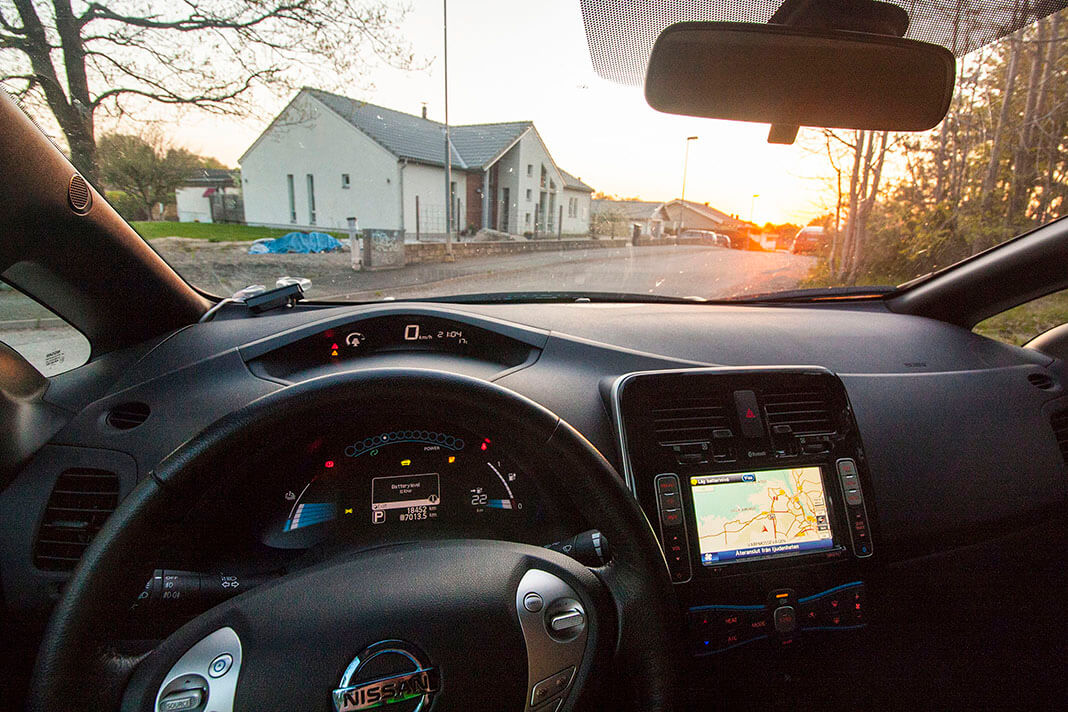
The centre panel features a combination of physical buttons and a touchscreen, which in Acenta trim has grown to fairly larger dimensions compared with the entry-level version. I like the combination of buttons and display very much, and the important music-volume control is easy to find by touch on the steering wheel.
Unfortunately, the navigation system occasionally does not respond quickly enough, so a series of closely spaced junctions and the need to change lanes can create somewhat hectic situations. When I recall the navigation system in the nearly Kč 4 million Range Rover, I must admit it was somewhat faster, but the difference is not enormous. The LEAF's navigation system works well; it just occasionally hesitates a little.
The touchscreen brightness control also occasionally hesitates, although the display otherwise switches automatically and reliably between day and night modes and is easy to read. However, it is not a crucial flaw, as a passenger can easily sort it out, which is a major advantage – the multimedia system can be operated while driving and does not lock.
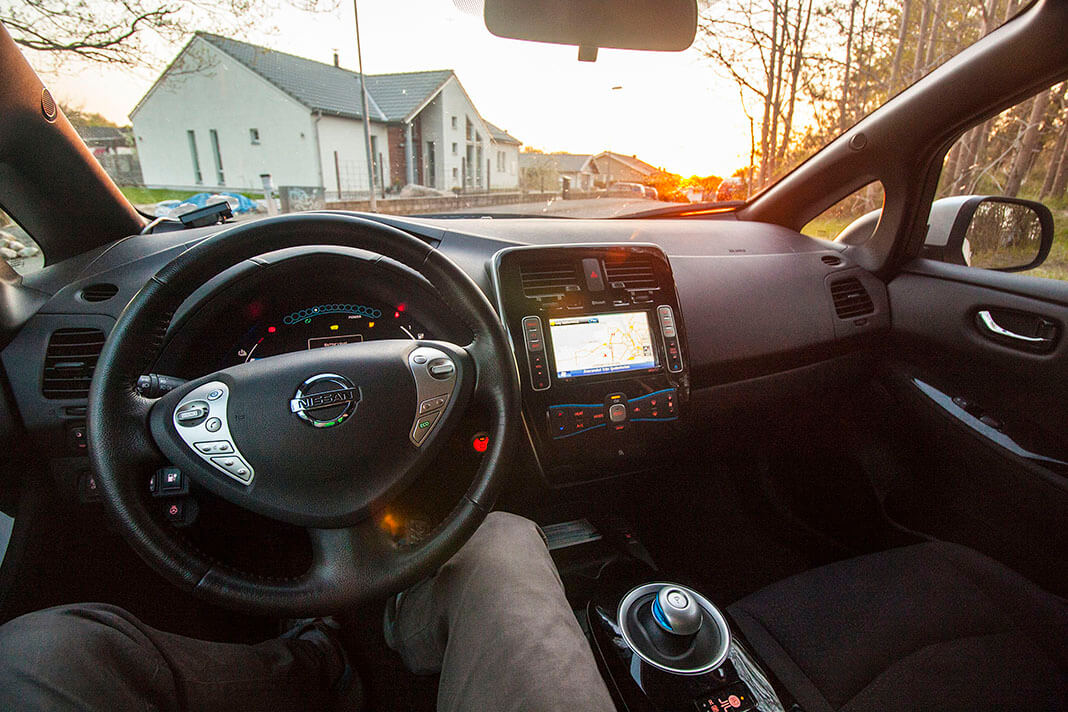
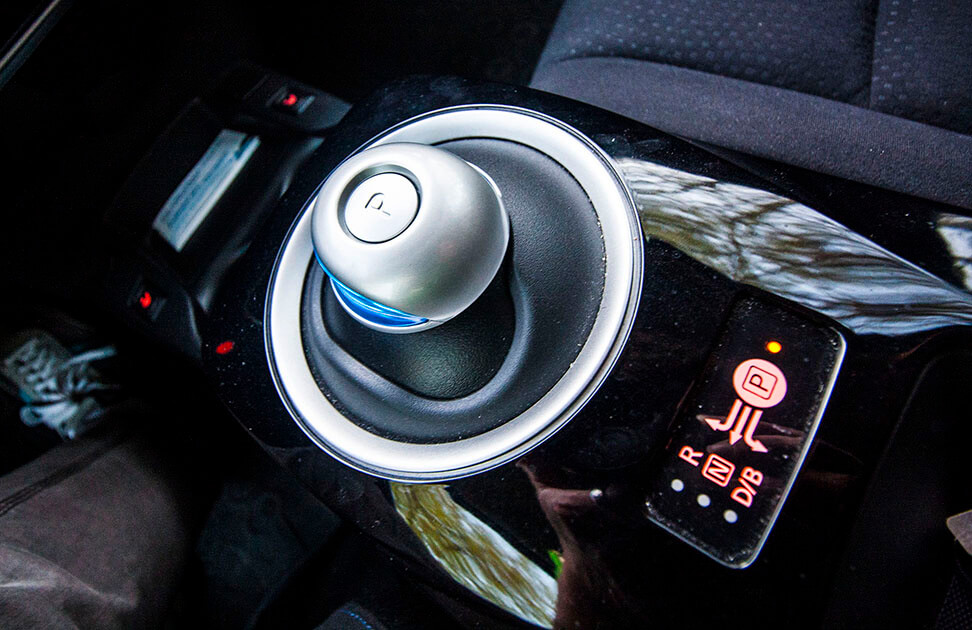
A rather interesting feature is the behaviour of the speakers. They only play in balance between the front and rear seats when the preference for the rear speakers is set almost to maximum; otherwise they are nearly inaudible. Once paired, the Bluetooth connection works without stopping the car with both iOS and Android (only three devices can be added, which is usually the limit in rental vehicles, so unused ones need to be found and deleted).
Silence takes the leading role in pleasant driving
The Nissan LEAF is powered by a permanent-magnet synchronous electric motor with a maximum output of 80 kW and torque of 250 (280 before the facelift) Nm, available from zero rpm. As a result, acceleration at low speeds is surprisingly brisk, as the following video shows.
After reaching around 70 km/h, I would describe acceleration as roughly average given the motor's maximum output, and from around 120 km/h the LEAF is no longer quite so keen. But that is fully sufficient for normal driving both outside the city and for overtaking. Furthermore, there is no gearbox and acceleration is immediate once the accelerator pedal is pressed.
The Nissan LEAF's top speed is electronically limited to the somewhat odd indicated speed of 161 km/h (145 km/h actual) because of the electric motor's maximum speed of 10,000 rpm. This figure is no problem to reach on the motorway, but you cannot expect much range at that speed.
Nissan states that the motor reaches a noise level of 21 dB, less than a running fan. It cannot be said to be completely inaudible, but compared with internal-combustion cars, especially diesels, it is more than sufficiently quiet from outside. This is linked to one of the less frequently mentioned benefits of electric mobility: reducing noise pollution in cities.
Inside, it is quiet at all times except under full acceleration, and that is truly addictive. The same applies to the absolute smoothness of the ride, which cannot be matched even by automatic gearboxes in luxury vehicles from Jaguar and Land Rover.
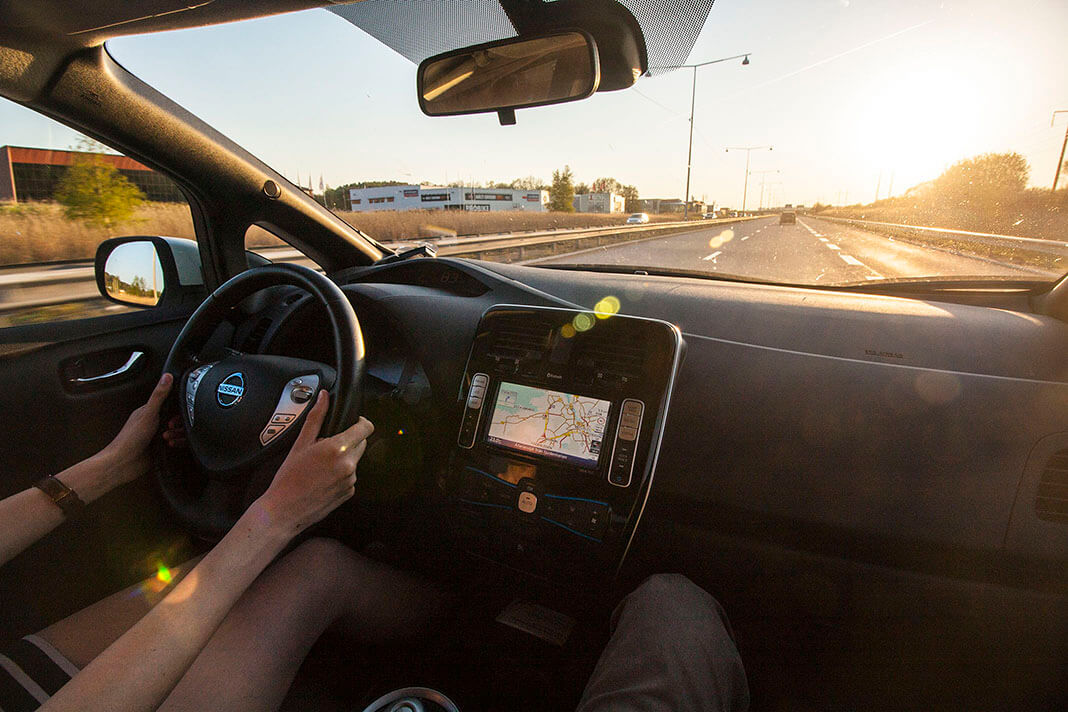
The downside of this silence is that road noise from the wheels becomes more noticeable on imperfect surfaces or cobblestones. Interestingly, aerodynamic noise only becomes noticeable at speeds above 125 km/h, so driving on Swedish motorways with limits of 110 to 120 km/h remains completely quiet.
Another interesting feature is the comfortable suspension combined with confident cornering. But do not take me literally here: you certainly will not carve through corners in the LEAF like Honza Koubek in his MX-5, but its handling certainly does not disappoint.
Driving modes and regenerative braking
The Nissan LEAF offers two driving modes: Eco and standard. In Eco mode, it is noticeably subdued; the question is what benefit this mode brings in terms of extending range. In the Nissan LEAF loaned in the Czech Republic, the switch for these modes was located at the “automatic gearbox” selector, whereas in the facelifted 2015 model it was already on the multifunction steering wheel.
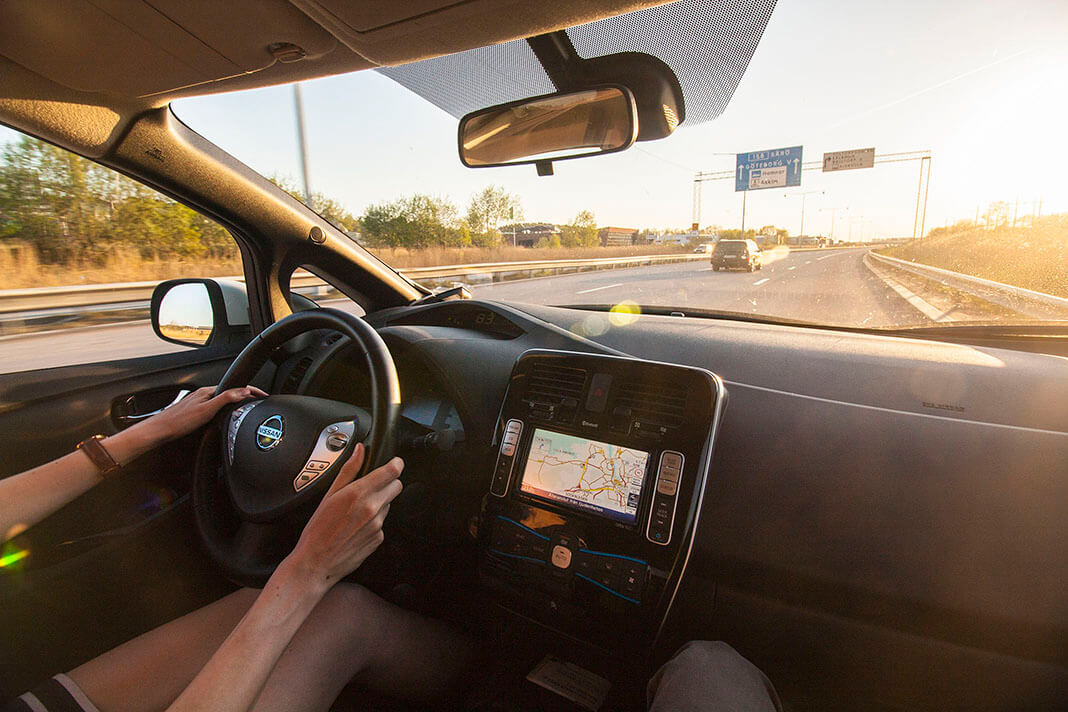
The LEAF can regenerate at up to 30 kW, shown by green dots on the dashboard pointing in the opposite direction to accelerator-pedal use. Releasing the pedal causes the LEAF to slow noticeably, which can be accentuated further with B mode. Lightly pressing the brake pedal increases regeneration, while the brakes themselves engage only later, helping to reduce the frequency of brake-pad replacements.
Given the limited range, the driver fairly quickly learns to drive predictively, slowing down only enough to make full use of regeneration and not waste energy on heating and wearing down the brake pads.
What can be said in conclusion to this introduction: the biggest pros and cons?
The Nissan LEAF is a lower-medium-segment hatchback with a very pleasant, well-equipped and spacious interior, although Nissan charges handsomely for it. Whether that can be worthwhile compared with the competition will be covered in the following parts of our series.
The quietness and smoothness of driving an electric vehicle are incredibly addictive, and the LEAF can also surprise with its briskness. It is not a sports car, but it certainly does not hold up traffic.
However, the lack of a telescopic steering wheel and a centre armrest for the rear seats seem genuinely unfortunate to me given the price range. Other issues are the occasionally imperfect touchscreen response and the speaker balance.
The worst thing, though, is the beeping. The LEAF beeps far too much for my taste. When reversing, it makes sense to warn inattentive pedestrians, but why it starts beeping when the driver's door is opened while the car is still on and does not stop until the driver closes and reopens it with the car switched off is beyond me. And I probably would not survive without turning off the welcome melody either.
List of series instalments:
- Nissan LEAF (Part 1): Agile and surprisingly comfortable companion
- Nissan LEAF (Part 2): Battery, charging, range and operating experience
- Nissan LEAF (Part 3): Differences in infrastructure and electric vehicle use in the Czech Republic and Sweden
- Nissan LEAF (Part 4): When can an “expensive” electric vehicle pay off for me?
- Nissan LEAF (Part 5): What should be improved in the second generation of the Nissan LEAF to make it truly great?
Translation disclaimer
This article is a machine translation of the Czech original and has not yet been fully reviewed. In case of any doubt, please refer to the Czech version.
Sdílejte článek prostřednictvím:
You might also like


20 October 2026, 12:55
20 October 2026, 10:49

20 October 2026, 06:13