
28 October 2026, 15:10
Loading...
Volvo moves EV production to Belgium to avoid tariffs

oEnergetice.cz, ČTK
9 June 2024, 12:44
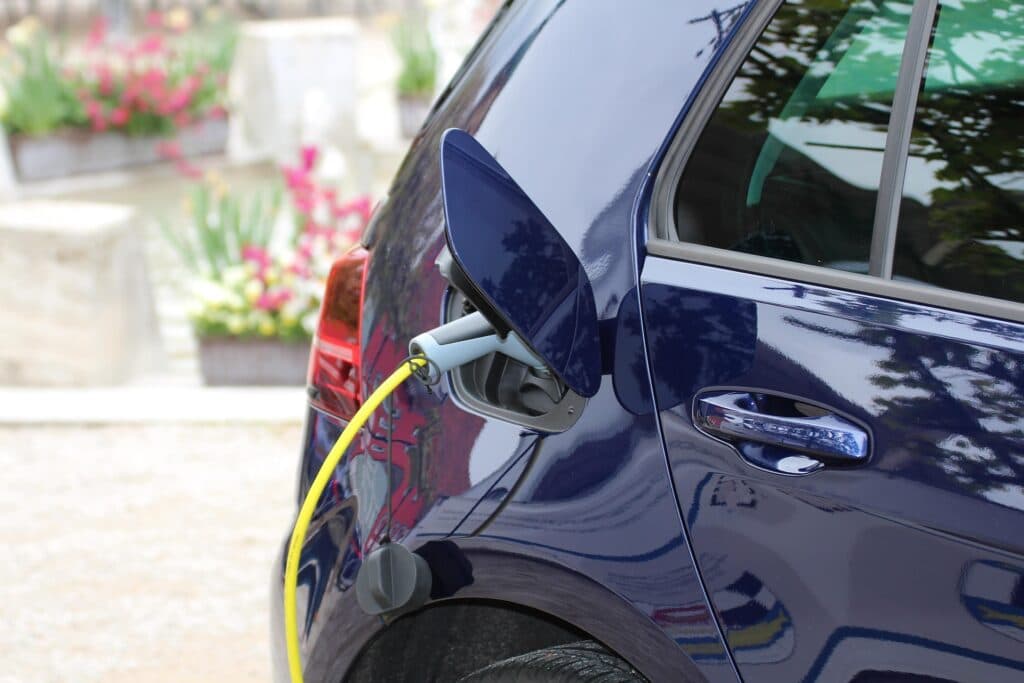
Automaker Volvo Cars has begun moving electric vehicle production from China to Belgium, anticipating that the European Union will continue its crackdown on imports from China over suspicions that China is providing its manufacturers with illegal subsidies. The Times reported this, citing sources familiar with the matter.
Volvo is considered the most exposed of Western automakers to plans to impose tariffs. The majority owner of Volvo is Chinese company Geely. Volvo is considering halting sales in the EU of electric vehicles made in China if tariffs are introduced. Production of some models intended for Britain could also be moved to Belgium.
The European Commission (EC), which oversees the bloc’s trade policy, launched an investigation last year into whether fully electric cars made in China receive state subsidies that distort competition, and whether additional tariffs should be imposed on them. The investigation was officially launched on 4 October and may last 13 months. However, the EC can impose provisional countervailing duties nine months after the investigation begins.
The EU currently applies a 10 percent tariff to electric vehicles made in China. Experts say it could rise to 25 to 30 percent. The United States recently announced plans to raise its tariff on electric vehicle imports from China to 100 percent from the current 25 percent.
The introduction of tariffs on Chinese cars is also worrying Western automakers, which are among the leading importers from China because of their large factories there. The largest importer of electric vehicles from China into the EU is US company Tesla. In the medium term, experts say Volvo is most exposed to EU tariffs.
Relations between China and the EU are strained by a number of factors, including Beijing’s closer ties with Moscow following the start of Russia’s invasion of Ukraine. The EU is trying to reduce its dependence on the world’s second-largest economy, particularly for materials and products needed for the green transition.
irl ank
Translation disclaimer
This article is a machine translation of the Czech original and has not yet been fully reviewed. In case of any doubt, please refer to the Czech version.
Sdílejte článek prostřednictvím:
You might also like

28 October 2026, 13:08

28 October 2026, 11:10

28 October 2026, 09:08
