
25 September 2026, 09:51
Loading...
EU faces belt-tightening, energy savings ahead

Martin Voříšek
3 August 2023, 11:06
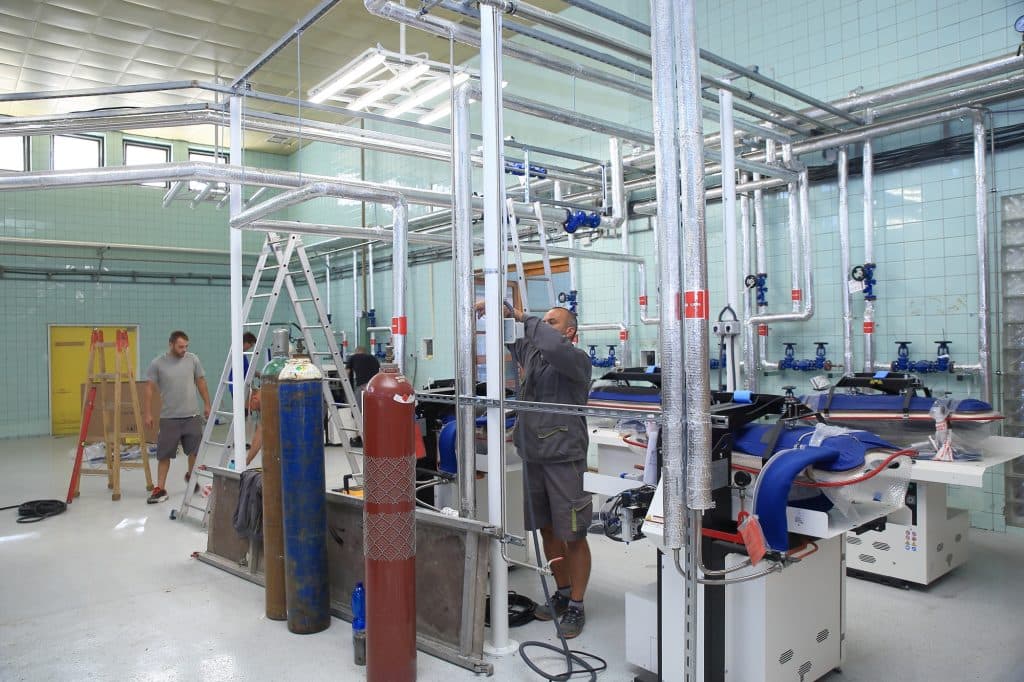
The Council of the European Union has approved the recast Energy Efficiency Directive, which sets a binding target for energy savings. The European Union as a whole must reduce final energy consumption by 11.7 % by 2030 compared with projections prepared in 2020. Targets for year-on-year energy savings and the public sector have also been raised.
The European Union has approved another major part of the European Green Deal, whose intermediate goal is to achieve a reduction in greenhouse gas emissions of at least 55 % by 2030. This is also to be achieved through energy savings.
The new energy efficiency targets are set out in the recast Energy Efficiency Directive (2012/27/EU). The main change is a new binding target to reduce final energy consumption by 11.7 %. This target is binding for the European Union as a whole, while each country will have its own target for reducing final energy consumption.
The directive sets out the procedure for determining the target for each Member State. Member States will first propose their own indicative target in their national energy and climate plans. The European Commission will then assess the indicative targets of individual countries and, if they are insufficient, may adjust the targets of individual Member States so that the European Union as a whole achieves the binding target of 11.7 %. Member States submitted their national plans with indicative energy efficiency targets to the Commission in June this year. Final plans should be submitted over the course of the following year.
In addition, Member States, including the Czech Republic, will be required to reduce final energy consumption every year. This year, consumption must be reduced by 0.8 %, rising to 1.3 % from next year, 1.5 % from 2026 and as much as 1.9 % annually from 2028.
The new directive is based on the principle that energy efficiency must always come first. This applies primarily to the preparation of strategic documents and investment projects. Member States are therefore required to ensure that energy efficiency solutions are taken into account, for example when making decisions on policy documents and investments.
The directive also targets the public sector
The recast directive also sets obligations for energy savings in the public sector. It is expected to "lead by example" and achieve a 1.9 % annual reduction in final energy consumption.
There is also an obligation to renovate buildings in the public sector. A Member State must renovate 3 % of the floor area of heated buildings each year. Renovation should ensure that renovated buildings become nearly zero-energy buildings.
The directive should be published in the EU Official Journal in the coming weeks and should enter into force after twenty days. The Czech Republic has two years to transpose the directive.
Translation disclaimer
This article is a machine translation of the Czech original and has not yet been fully reviewed. In case of any doubt, please refer to the Czech version.
Sdílejte článek prostřednictvím:
You might also like

24 September 2026, 11:23

24 September 2026, 10:30
24 September 2026, 06:56