
18 October 2026, 22:09
Loading...
Many Czechs are considering replacing their heating system but are unsure about subsidy requirements

oEnergetice.cz, ČTK
27 August 2025, 11:26
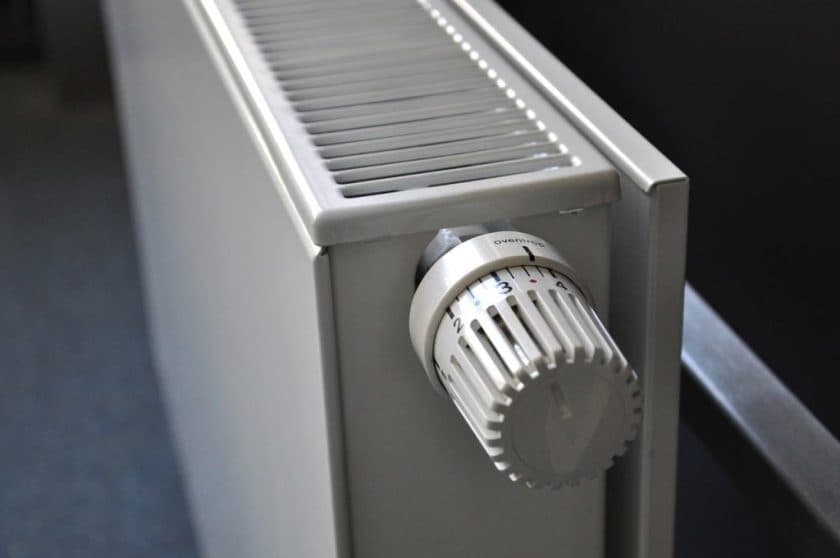
A large proportion of Czechs are considering replacing their heating system. But only a quarter of them are currently receiving a state subsidy for it. Most people interested in doing so are put off by the administrative burden of applying, uncertainty about whether they meet the program’s requirements, or the complexity of the information. This is according to a survey by Ipsos for Stiebel Eltron.
“The fact that the New Green Savings program has supported the replacement of more than 80.000 heating systems since its launch shows that Czechs are genuinely interested in energy-saving measures. But our survey found that only a quarter of those who replaced their heating system this year received a subsidy, suggesting the program has much greater potential. Clearer explanations of the requirements and a simpler, more transparent process could significantly increase the number of households opting for a more environmentally friendly heating system,” said David Šafránek, head of the technical department at Stiebel Eltron.
According to the survey, which was conducted at the end of July and beginning of August among 1021 respondents, 14 percent of Czechs plan to replace the heating system in their house or cottage this year. The most common option is switching to a heat pump, which was cited by a third of respondents. More than a fifth prefer alternative solid fuels such as wood, pellets or biomass, while 19 percent are considering switching to natural gas.
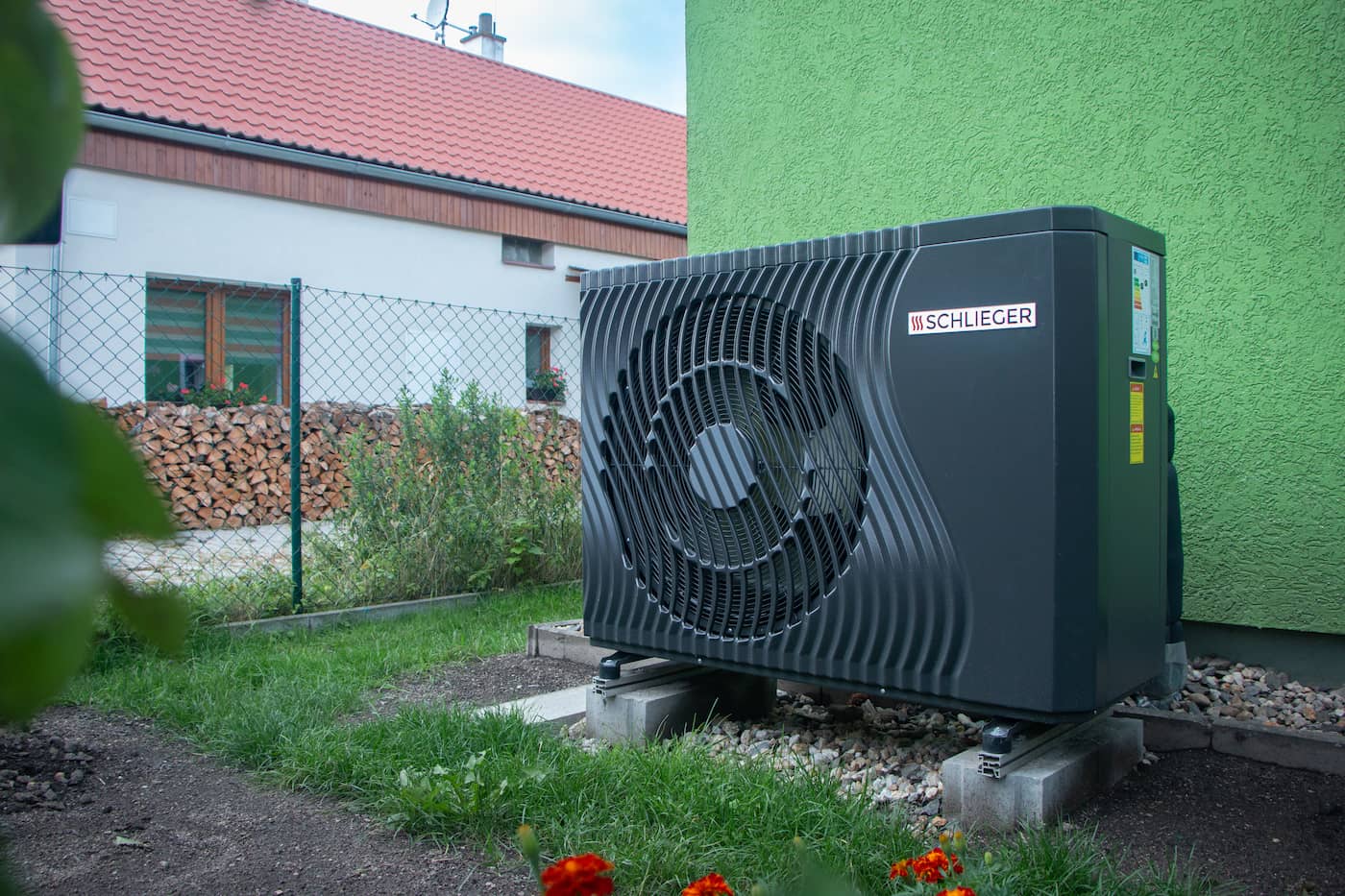
Source: Schlieger
By contrast, those who have already replaced their heating system most often chose boilers burning alternative solid fuels, which are now the main heating source for almost a third of them, according to the survey. Heat pumps come next, having been installed by more than a quarter of respondents. Natural gas ranks third.
There could be more replacements, however. For almost half of respondents, a simpler application process would be the most important factor motivating them to replace their heating system and apply for a subsidy. For nearly 44 percent of those surveyed, the option of receiving the money in advance—before the replacement work begins—is also essential. Better information about the program’s requirements and benefits, as well as lower co-payment requirements, are also important; both options would motivate more than a third of respondents. According to the survey, more than 19 percent would welcome faster approval of applications.
“These findings also show that the biggest barriers are still the complexity of the process. Many people are unclear about the requirements, and are put off by complicated forms or long waiting times. If we want support for cleaner heating to reach as many households as possible, the whole system needs to be made as simple as possible,” Šafránek said.
Translation disclaimer
This article is a machine translation of the Czech original and has not yet been fully reviewed. In case of any doubt, please refer to the Czech version.
Sdílejte článek prostřednictvím:
You might also like


17 October 2026, 13:09

