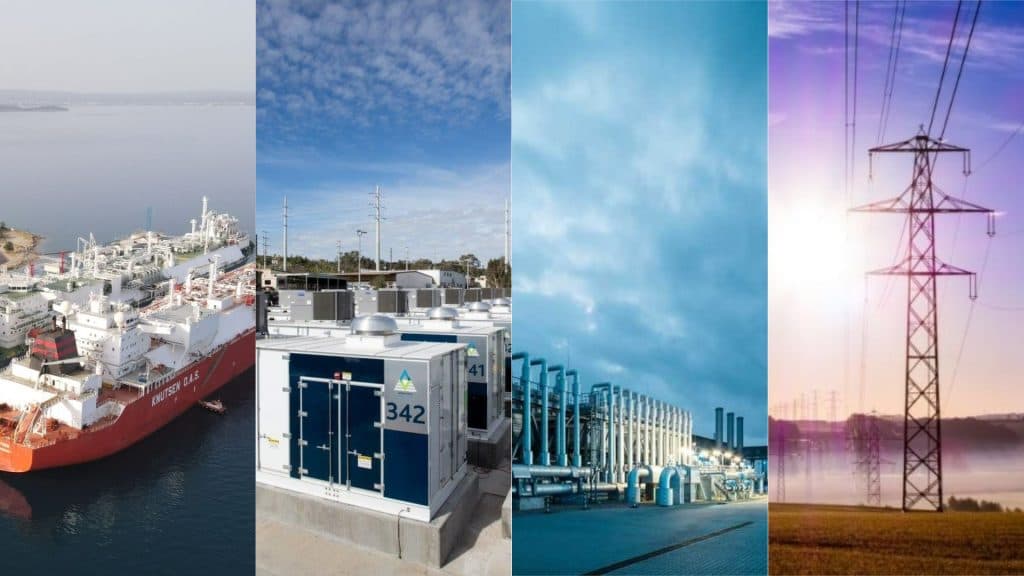
This week, we once again bring you a carefully selected list of the ten most important articles published on oEnergetice.cz. If you missed any of them, here is a selection of the stories that attracted the most interest from our readers. Best of luck in the new week!
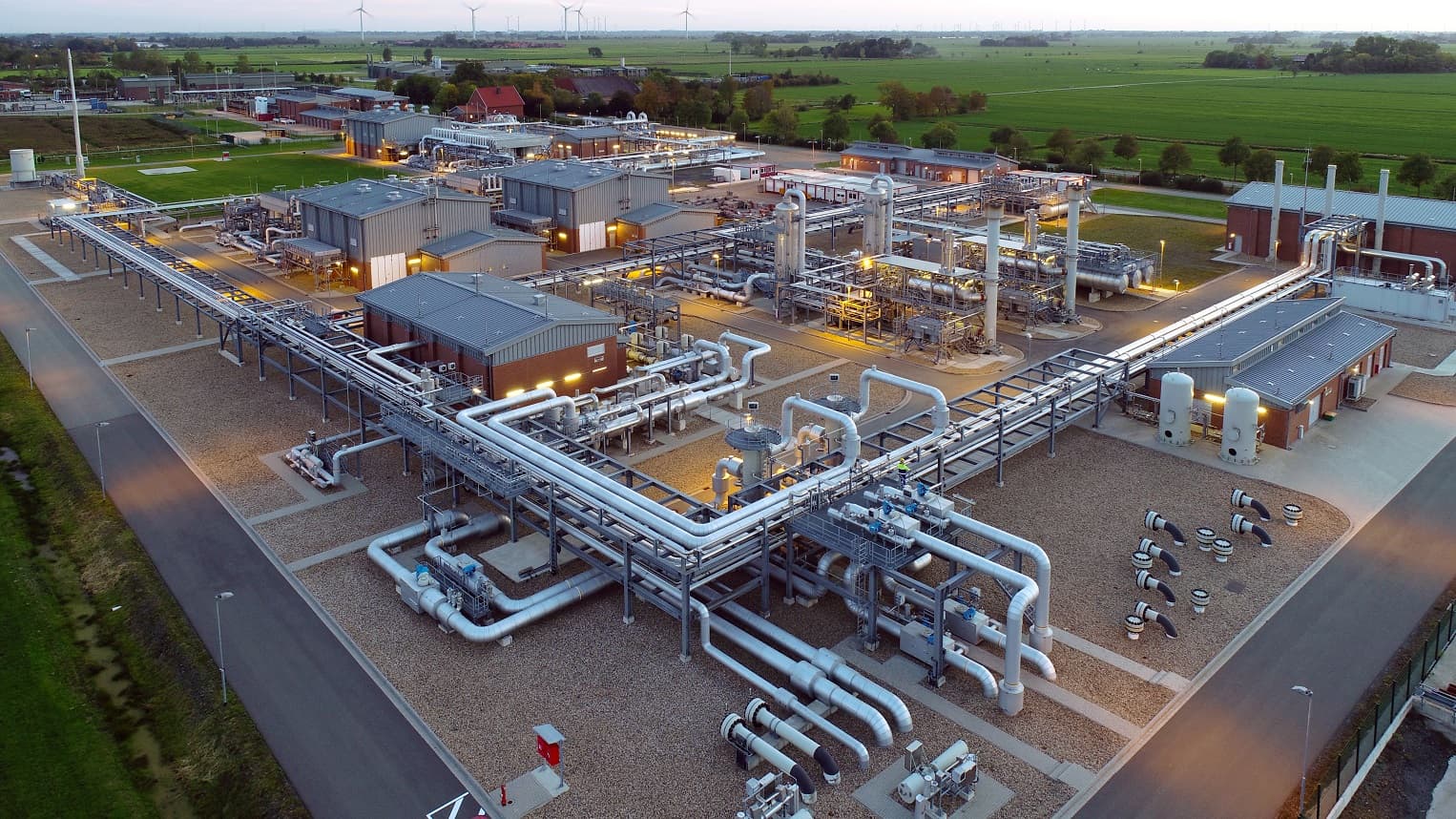
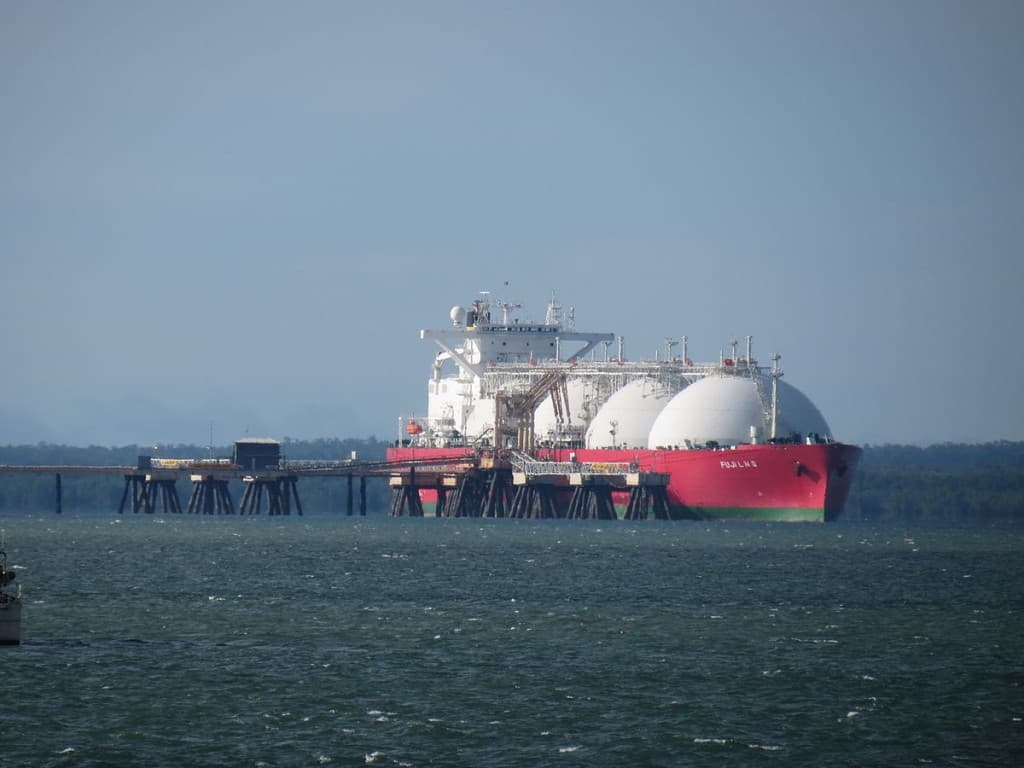
According to a proposal from the Ministry for Economic Affairs and Energy, Germany plans to scrap the current mandatory gas storage filling targets by the end of March 2027. They will be replaced by a newly established national strategic gas reserve. It is intended solely as a safeguard in the event of a supply crisis and would cover around 30 days of consumption. Industry representatives welcome the proposal but criticise its governance and the planned funding through a new levy.
According to a leaked draft of legislation seen by Clean Energy Wire, Germany’s Federal Ministry for Economic Affairs and Energy plans to scrap the current mandatory gas storage filling targets by March 2027. They are to be replaced by a strategic national natural gas reserve, serving exclusively as a tool for dealing with crisis situations.
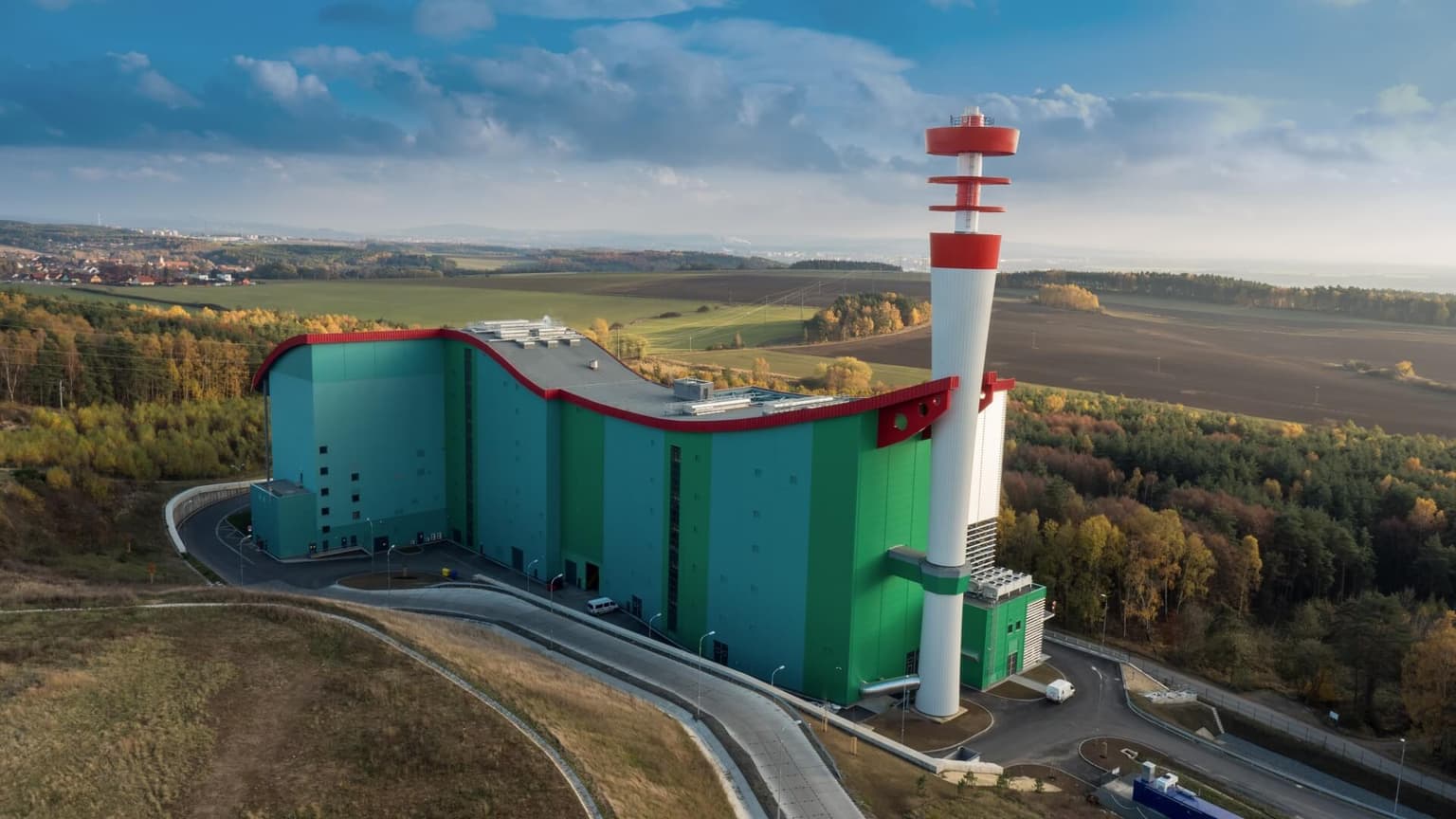
Energy recovery from waste and alternative fuels in the Czech Republic rose again in 2025. According to new data from the Ministry of Industry and Trade, almost 1.38 million tonnes of waste and alternative fuels were used to generate energy. The amount of waste processed at waste-to-energy plants was a record, as was electricity generation from municipal waste. The trend also points to the growing role of alternative fuels in district heating.
The Ministry of Industry and Trade has published new statistics on energy recovery from waste and alternative fuels for 2025. According to the ministry, a total of 1 378 620 tonnes of waste and alternative fuels were used to generate energy, compared with 1 359 120 tonnes in 2024. This represents an annual increase of approximately 1,4 %.
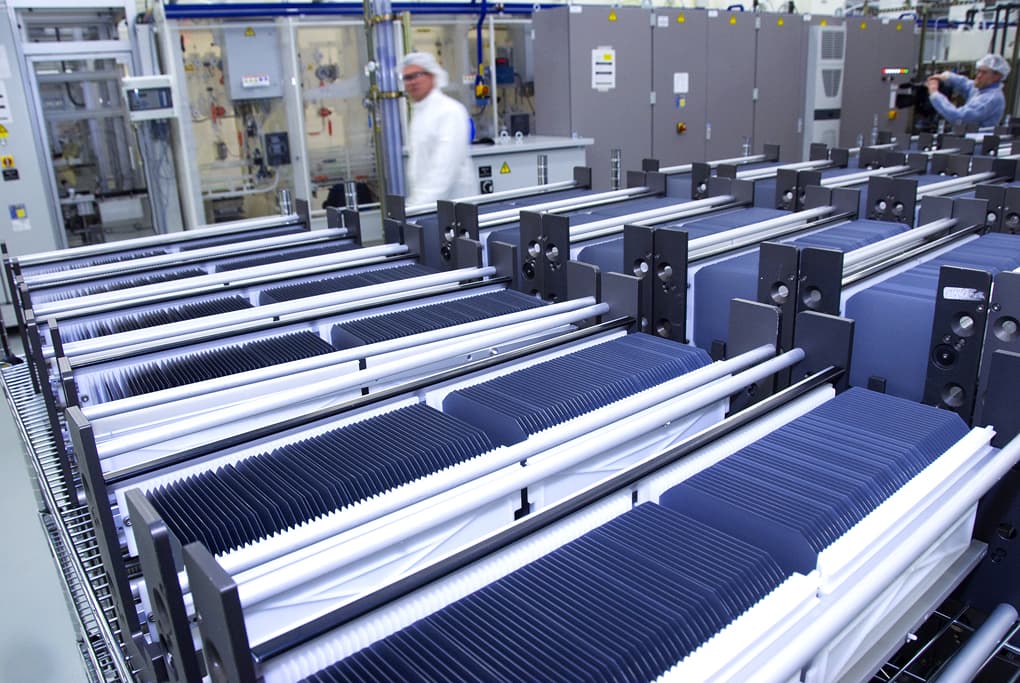
The global solar PV market is entering a period of fiercer competition and lower manufacturing capacity utilisation, according to an Enerdata report. While solar installations around the world continue to grow, European panel manufacturers face cost pressures, project cancellations and uncertainty over future support for manufacturing.
According to Enerdata’s report The New Global Reality for PV Module Manufacturers – 2026, the 40 largest manufacturers tracked delivered a total of 643 GWp of PV modules in 2025. This was down 6 % on the previous year. Global installations, meanwhile, reached a record 664 GWp.
The European Commission has selected 46 new strategic projects aimed at strengthening European supply chains for critical raw materials. Germany secured eight projects, more than any other member state. They focus, among other things, on lithium mining, battery recycling and rare earth extraction. The Czech Republic is not among the selected countries, while Slovakia secured two projects. Strategic status is intended to speed up permitting and facilitate access to finance, but does not guarantee automatic financial support.
The eight German projects cover several parts of the supply chain, from sourcing raw materials through processing to recycling. Four focus on recycling, which Germany’s Ministry for Economic Affairs says demonstrates the importance of the circular economy in securing supplies of critical raw materials.
Germany held two rounds of innovative auctions again this year, in which renewable energy developers compete for operating support. These auctions concern renewable energy sources combined with short-term storage. Although they are technology-neutral, solar has dominated them from the outset. Prices fell sharply in recent years, but have largely stagnated this year, as confirmed by data from the September round.
At the beginning of last month, Germany held its second and final innovative auction of the year. Only projects combining different renewable energy technologies, or sources that include short-term storage, can compete in these auctions. For projects equipped with storage, it must account for at least 25 % of the system’s total installed capacity and be capable of fully discharging within two hours.
European households and businesses face higher electricity prices than before the pandemic, but the biggest gap is in industry. BloombergNEF analysis shows that in 2025, US businesses paid an average of 110 dollars per megawatt-hour and Chinese businesses 89 dollars, while German companies paid 226 dollars and British companies as much as 327 dollars.
The differences are not solely the result of commodity prices. Taxes, public policy support, network costs and the way countries regulate the market are also reflected in final bills. For European industry, electricity is therefore not only a significant operating cost but also a competitive disadvantage.
Germany will need to invest six trillion euros to achieve climate neutrality by 2045, an average of 290 billion euros a year. Germany’s state development bank Kreditanstalt für Wiederaufbau (KfW) warns, however, that the total figure is not the only factor that matters. After deducting the investments that would be required to continue with a fossil-fuel-based economy, the additional need amounts to 65 billion euros a year.
The calculation for KfW was prepared by consultancy Prognos. The largest share of investment, 45 %, is expected to go to transport. Energy will account for a quarter, buildings for 22 % and industry for eight percent. The breakdown shows that the transition to carbon neutrality will not be limited to transforming the electricity generation sector. Changes in transport and the modernisation of buildings will also make up a significant part of the bill.
Brussels, 14 October (CTK correspondent) - The European Commission has proposed a one-year delay to key obligations under the methane regulation for imported oil and gas. The Commission announced this in a statement. The Czech Republic was among those seeking a delay and subsequently secured the support of 19 other countries, including Germany. Prague had pushed for a delay of up to three years, while France proposed one year. Czech Prime Minister Andrej Babiš welcomed the Commission’s decision.
The methane regulation introduces stricter rules for methane emissions from oil and gas production and imports into the European Union. Czechia and other countries called for the entire regulation to be delayed, fearing that the new obligations for companies could disrupt oil and gas supplies. Until now, the EU executive had only recommended that countries postpone penalties for breaches of the rules by three years.
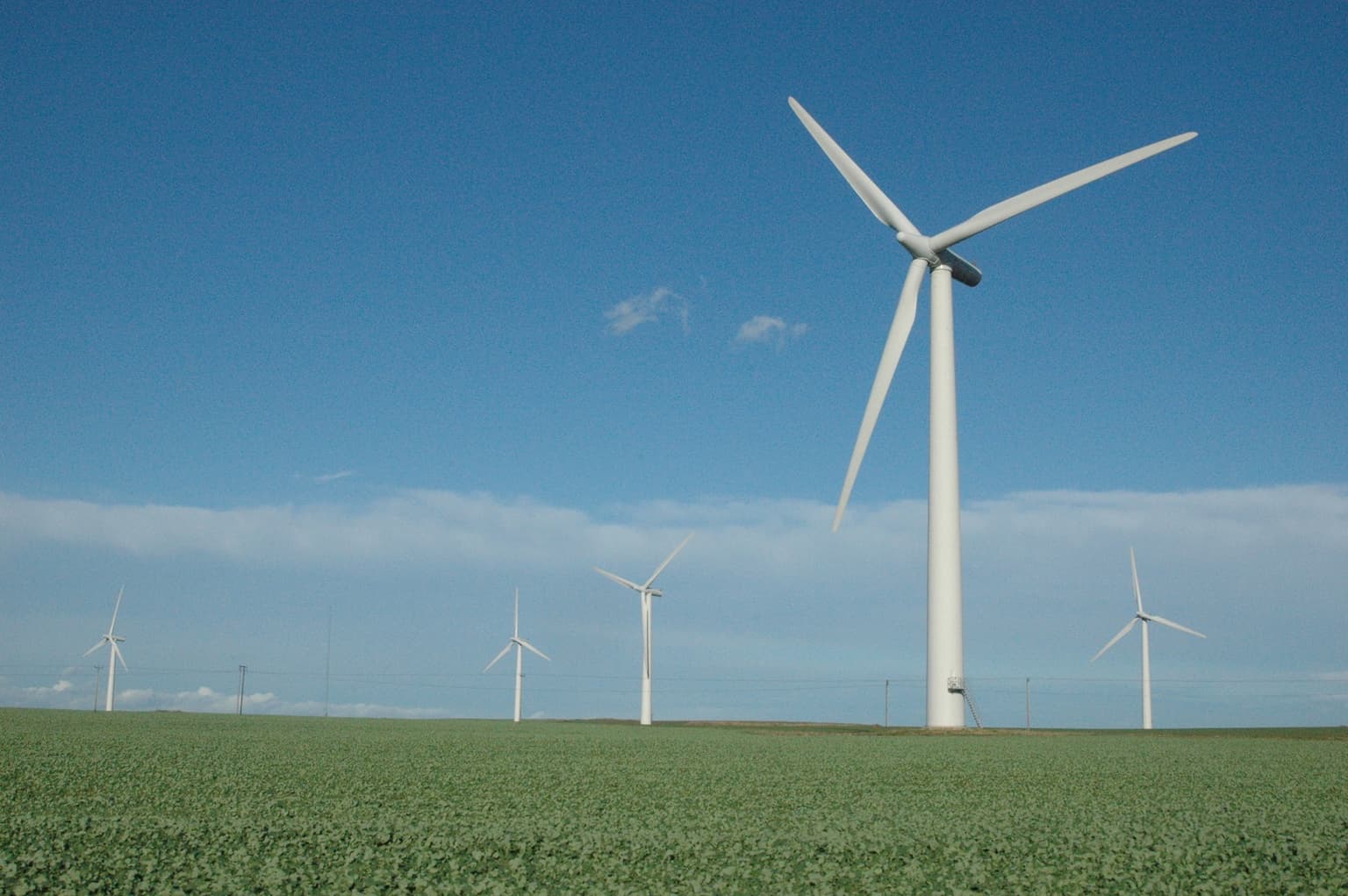
Hungarian Prime Minister Péter Magyar’s government is preparing a major expansion of wind power. It wants to increase installed wind capacity to 4 GW by 2030, more than ten times the current level, Reuters reports. The first tender, for around 700 MW, has already been launched, but its terms have raised doubts among potential investors. Alongside costs and auction design, the availability of grid connections, the length of permitting processes and investors’ ability to deliver the projects will also be decisive.
After years of stagnation, Hungary is significantly changing its approach to wind power. Prime Minister Péter Magyar’s government wants to increase wind capacity to 4 GW by 2030. By 2040, it could exceed 6 GW. The first step is a tender for approximately 700 MW of new installed capacity.
Alongside the elections, 20 referendums are set to take place in Czechia this weekend. Voters will decide whether they want wind turbines near their municipalities. The issue is dividing neighbours, and the conflict is often fuelled by people who previously opposed COVID-19 vaccination. The case of the municipality of Kačice shows how a once marginal issue has become a pre-election battleground.
It is a sunny Tuesday in September in Kačice, in the Kladno region, thirty kilometres from Prague. Cows are bellowing in a large cowshed, trains are passing by and the dirt roads are empty except for a few cyclists and a mother with a pram. Just above the cowshed, apparently within sight of the planned future wind turbines, two older men are sitting on the porch of a newly renovated country cottage with an indoor swimming pool. They are willing to talk to a journalist from Prague, but say I must not turn on the recorder.
Read the full articleThis week, we once again bring you a carefully selected list of the ten most important articles published on oEnergetice.cz. If you missed any of them, here is a selection of the stories that attracted the most interest from our readers. Best of luck in the new week!
According to a proposal from the Ministry for Economic Affairs and Energy, Germany plans to scrap the current mandatory gas storage filling targets by the end of March 2027. They will be replaced by a newly established national strategic gas reserve. It is intended solely as a safeguard in the event of a supply crisis and would cover around 30 days of consumption. Industry representatives welcome the proposal but criticise its governance and the planned funding through a new levy.
According to a leaked draft of legislation seen by Clean Energy Wire, Germany’s Federal Ministry for Economic Affairs and Energy plans to scrap the current mandatory gas storage filling targets by March 2027. They are to be replaced by a strategic national natural gas reserve, serving exclusively as a tool for dealing with crisis situations.
Energy recovery from waste and alternative fuels in the Czech Republic rose again in 2025. According to new data from the Ministry of Industry and Trade, almost 1.38 million tonnes of waste and alternative fuels were used to generate energy. The amount of waste processed at waste-to-energy plants was a record, as was electricity generation from municipal waste. The trend also points to the growing role of alternative fuels in district heating.
The Ministry of Industry and Trade has published new statistics on energy recovery from waste and alternative fuels for 2025. According to the ministry, a total of 1 378 620 tonnes of waste and alternative fuels were used to generate energy, compared with 1 359 120 tonnes in 2024. This represents an annual increase of approximately 1,4 %.
The global solar PV market is entering a period of fiercer competition and lower manufacturing capacity utilisation, according to an Enerdata report. While solar installations around the world continue to grow, European panel manufacturers face cost pressures, project cancellations and uncertainty over future support for manufacturing.
Four giants still dominate
According to Enerdata’s report The New Global Reality for PV Module Manufacturers – 2026, the 40 largest manufacturers tracked delivered a total of 643 GWp of PV modules in 2025. This was down 6 % on the previous year. Global installations, meanwhile, reached a record 664 GWp.
The European Commission has selected 46 new strategic projects aimed at strengthening European supply chains for critical raw materials. Germany secured eight projects, more than any other member state. They focus, among other things, on lithium mining, battery recycling and rare earth extraction. The Czech Republic is not among the selected countries, while Slovakia secured two projects. Strategic status is intended to speed up permitting and facilitate access to finance, but does not guarantee automatic financial support.
The eight German projects cover several parts of the supply chain, from sourcing raw materials through processing to recycling. Four focus on recycling, which Germany’s Ministry for Economic Affairs says demonstrates the importance of the circular economy in securing supplies of critical raw materials.
Germany held two rounds of innovative auctions again this year, in which renewable energy developers compete for operating support. These auctions concern renewable energy sources combined with short-term storage. Although they are technology-neutral, solar has dominated them from the outset. Prices fell sharply in recent years, but have largely stagnated this year, as confirmed by data from the September round.
At the beginning of last month, Germany held its second and final innovative auction of the year. Only projects combining different renewable energy technologies, or sources that include short-term storage, can compete in these auctions. For projects equipped with storage, it must account for at least 25 % of the system’s total installed capacity and be capable of fully discharging within two hours.
European households and businesses face higher electricity prices than before the pandemic, but the biggest gap is in industry. BloombergNEF analysis shows that in 2025, US businesses paid an average of 110 dollars per megawatt-hour and Chinese businesses 89 dollars, while German companies paid 226 dollars and British companies as much as 327 dollars.
The differences are not solely the result of commodity prices. Taxes, public policy support, network costs and the way countries regulate the market are also reflected in final bills. For European industry, electricity is therefore not only a significant operating cost but also a competitive disadvantage.
Germany will need to invest six trillion euros to achieve climate neutrality by 2045, an average of 290 billion euros a year. Germany’s state development bank Kreditanstalt für Wiederaufbau (KfW) warns, however, that the total figure is not the only factor that matters. After deducting the investments that would be required to continue with a fossil-fuel-based economy, the additional need amounts to 65 billion euros a year.
The largest shares will go to transport and energy
The calculation for KfW was prepared by consultancy Prognos. The largest share of investment, 45 %, is expected to go to transport. Energy will account for a quarter, buildings for 22 % and industry for eight percent. The breakdown shows that the transition to carbon neutrality will not be limited to transforming the electricity generation sector. Changes in transport and the modernisation of buildings will also make up a significant part of the bill.
Brussels, 14 October (CTK correspondent) - The European Commission has proposed a one-year delay to key obligations under the methane regulation for imported oil and gas. The Commission announced this in a statement. The Czech Republic was among those seeking a delay and subsequently secured the support of 19 other countries, including Germany. Prague had pushed for a delay of up to three years, while France proposed one year. Czech Prime Minister Andrej Babiš welcomed the Commission’s decision.
The methane regulation introduces stricter rules for methane emissions from oil and gas production and imports into the European Union. Czechia and other countries called for the entire regulation to be delayed, fearing that the new obligations for companies could disrupt oil and gas supplies. Until now, the EU executive had only recommended that countries postpone penalties for breaches of the rules by three years.
Hungarian Prime Minister Péter Magyar’s government is preparing a major expansion of wind power. It wants to increase installed wind capacity to 4 GW by 2030, more than ten times the current level, Reuters reports. The first tender, for around 700 MW, has already been launched, but its terms have raised doubts among potential investors. Alongside costs and auction design, the availability of grid connections, the length of permitting processes and investors’ ability to deliver the projects will also be decisive.
After years of stagnation, Hungary is significantly changing its approach to wind power. Prime Minister Péter Magyar’s government wants to increase wind capacity to 4 GW by 2030. By 2040, it could exceed 6 GW. The first step is a tender for approximately 700 MW of new installed capacity.
Alongside the elections, 20 referendums are set to take place in Czechia this weekend. Voters will decide whether they want wind turbines near their municipalities. The issue is dividing neighbours, and the conflict is often fuelled by people who previously opposed COVID-19 vaccination. The case of the municipality of Kačice shows how a once marginal issue has become a pre-election battleground.
It is a sunny Tuesday in September in Kačice, in the Kladno region, thirty kilometres from Prague. Cows are bellowing in a large cowshed, trains are passing by and the dirt roads are empty except for a few cyclists and a mother with a pram. Just above the cowshed, apparently within sight of the planned future wind turbines, two older men are sitting on the porch of a newly renovated country cottage with an indoor swimming pool. They are willing to talk to a journalist from Prague, but say I must not turn on the recorder.
Data in this chart is also available in 15-minute resolution60min15min
Energostat: electricity generation in Germany
Data in this chart is also available in 15-minute resolution60min15min
Find more up-to-date charts and data on Energostat
Translation disclaimer
This article is a machine translation of the Czech original and has not yet been fully reviewed. In case of any doubt, please refer to the Czech version.