
28 October 2026, 15:10
Loading...
Australia wants to start supplying battery components at scale, alongside lithium

Jan Budín
2 June 2024, 08:03
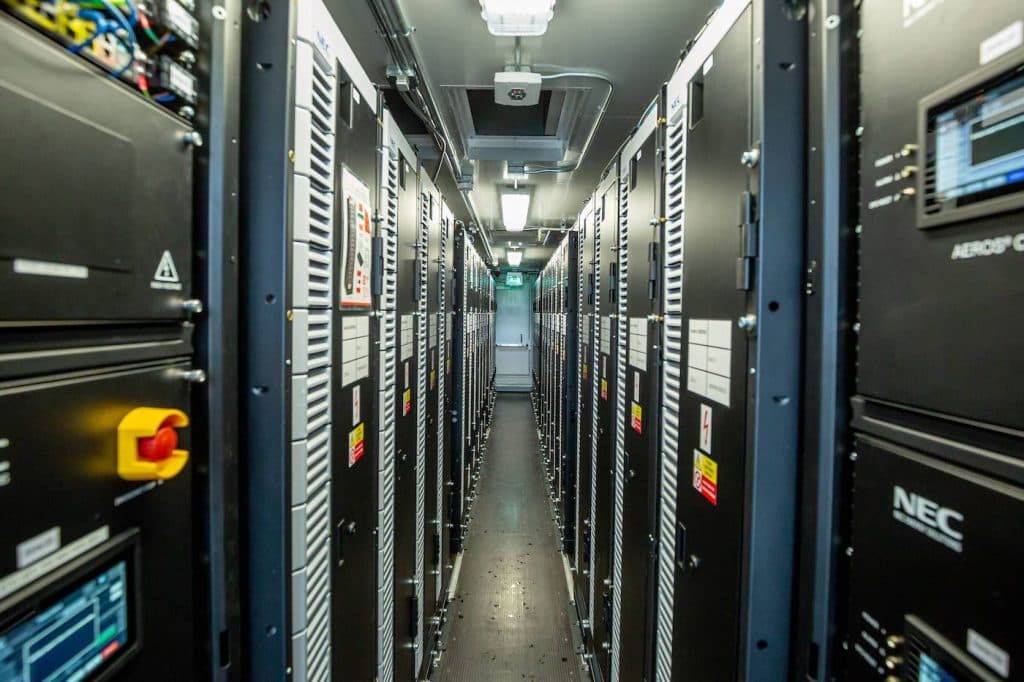
Australia has published its first national battery strategy, which includes developing an industry to manufacture components for battery systems. The world’s largest lithium producer currently wants to secure a more significant share of this market in the future. Argus reported.
Australia produced more than 450 thousand tonnes of lithium carbonate equivalent last year, accounting for almost 50% of global production of this raw material, which is crucial for battery manufacturing.
However, according to the Office of the Chief Economist at Australia’s Department of Industry, Science and Resources, its share of the global market is expected to gradually decline, reaching around a third in 2029 as mining capacity is developed in countries such as China, Zimbabwe and Argentina.
The country would like to offset its declining share of global lithium production by increasing its share of battery component manufacturing. This is set out in its first national battery strategy, which, alongside targets for expanding the use of battery storage, also aims to kick-start a domestic industry focused on mineral processing and the manufacture of battery components.
“It is inexcusable that we account for half of the world’s lithium production, but at the same time manufacture less than one per cent of battery components,” said Australia’s Minister for Industry, Science and Resources, Ed Husic.
43 GW of battery storage by 2040
According to the published strategy, Australia will need at least 19 GW of installed electricity storage capacity by 2030 to meet its renewable energy development targets. This requirement is expected to rise to as much as 43 GW by 2040.
Argus noted that the country commissioned battery storage with an installed capacity of 1.3 GW last year, an increase of more than 100% year on year.
The sector will nevertheless need support in the coming years. This is also reflected in the latest figures from the Clean Energy Council, which show that announced investment in large renewable energy projects fell in 2023 to its lowest level since tracking began in 2017.
Initiatives such as the announced “Battery Breakthrough”, worth 523 million Australian dollars, and the “Future Made in Australia Innovation Fund”, which will have 1.7 billion Australian dollars at its disposal, are expected to help.
Translation disclaimer
This article is a machine translation of the Czech original and has not yet been fully reviewed. In case of any doubt, please refer to the Czech version.
Sdílejte článek prostřednictvím:
You might also like

28 October 2026, 13:08

28 October 2026, 11:10

28 October 2026, 09:08
