Batteries may face profit cannibalization in the future, as renewables do

According to some experts, Spain’s electricity storage market could face cannibalization in the future, similar to what has happened with renewables. As the capacity and output of storage facilities connected to the country’s grid gradually increase, competition will grow rapidly, affecting their profitability. The storage market is still in its early stages, but the situation is likely to change dramatically by the end of the next decade.
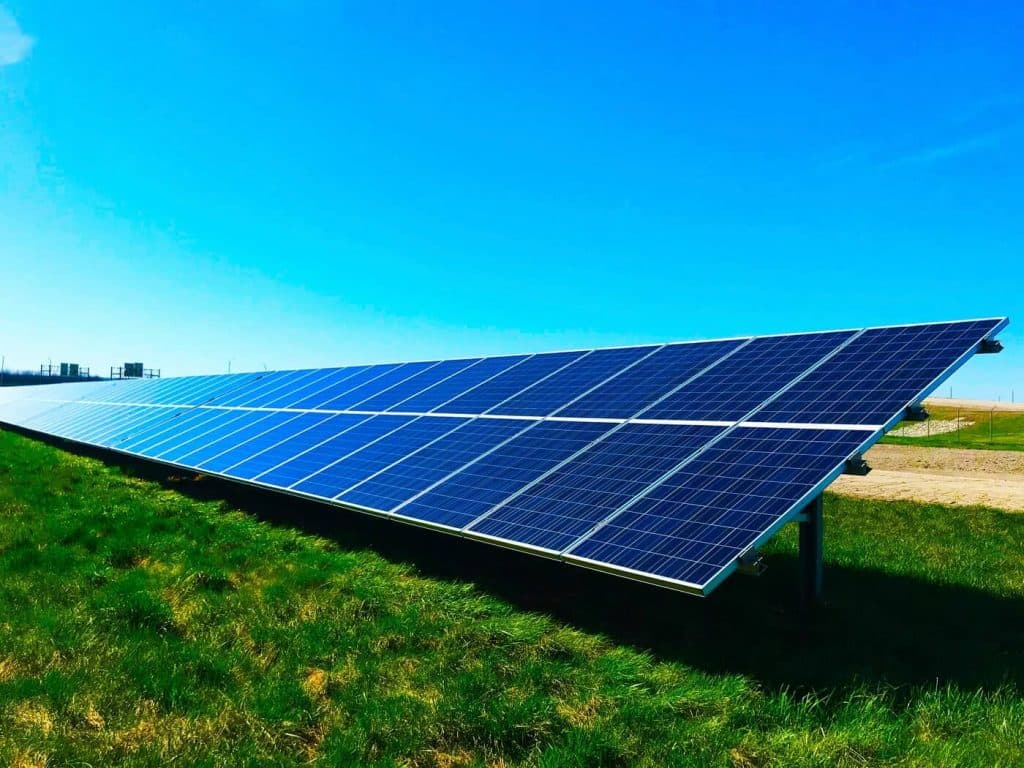
Renewable energy sources, particularly solar and wind power plants, have recently been enjoying another strong boom. However, the rapid growth in installed photovoltaic capacity also has a downside, as it negatively affects the profitability of these sources. The overlap in peak generation is particularly pronounced for photovoltaic sources across Europe. On sunny days, this pushes prices around midday towards zero, or even into negative territory, in many markets.
This phenomenon is commonly known as cannibalization, whereby sources reduce each other’s profitability when their generation coincides. This effect is already evident in a number of markets, paving the way for the development of battery and other forms of storage. However, a similar trend can also be expected in this segment in the future: as their numbers grow, this will negatively affect the economics of operating them and, consequently, the return on investment.
“Talking about cannibalization in batteries now is like science fiction,” Arturo Buenaventura, director of water resources and the natural environment at developer Magtel, said, according to Montel.
The storage market is set for rapid growth
Buenaventura added, however, that the impact of cannibalization on project profitability would begin to become apparent over the next 10 to 15 years. Spain plans, according to Montel, to increase installed storage capacity from the current 8.3 GW to 22 GW by the end of the decade. In addition to batteries, the storage portfolio is expected to include pumped-storage hydropower plants and solar thermal power plants. Citing a study by consultancy Afry, Buenaventura said that 14-18 GW of capacity might not lead to noticeable cannibalization.
“I agree that it is not a problem now, but I think it will be. We have seen it with solar power plants,” said Rodrigo Alvarez, director of business development at Statkraft.
According to some experts, the lack of capacity mechanisms is hindering faster growth in Spain’s storage market. Under these mechanisms, power plant or storage facility operators are paid for making capacity available, without having to generate or consume energy.
Translation disclaimer
This article is a machine translation of the Czech original and has not yet been fully reviewed. In case of any doubt, please refer to the Czech version.