28 October 2026, 15:10
Loading...
Battery storage power capacity in the US is growing rapidly. It is used mainly for arbitrage

Jan Budín
5 July 2024, 08:34
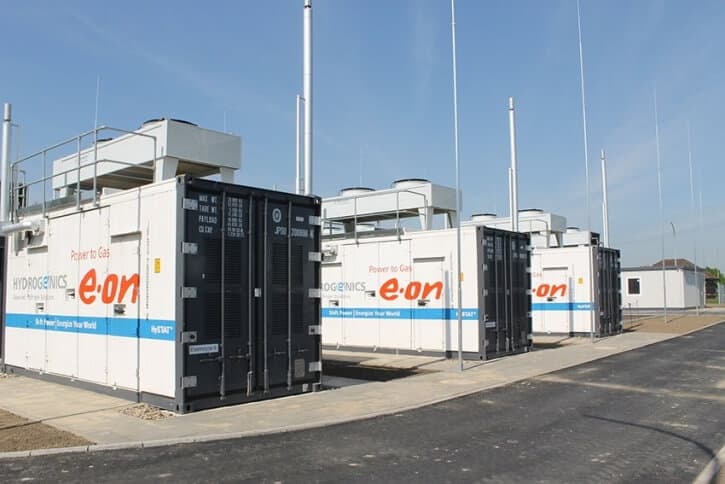
Total installed battery storage capacity in the US is growing rapidly and stood at almost 16 GW at the end of 2023. According to the US government agency U.S. Energy Information Administration (EIA), this figure could rise to 36 GW by 2028. S&P Global reported.
The US government agency EIA also focuses on the predominant uses of battery storage in its regular monitoring of the market. According to the published data, price arbitrage is currently the most common use, meaning shifting electricity generation from hours with low prices to hours with high prices.
"Utilities report that arbitrage is currently the predominant use of battery storage facilities with an installed capacity of 10,487 MW, making it the most common primary use," the EIA said.
The second most common primary use of batteries is frequency regulation on the grid, followed by storing surplus electricity from solar and wind power plants.
"Most batteries are used for multiple purposes and are therefore classified by operators in multiple categories, so we have now started asking about the primary use of these batteries," the EIA added.
Most batteries are in California and Texas
S&P Global also reported that, from a regional perspective, the US battery storage market is dominated by the states of California and Texas, which together account for more than 70% of the total installed capacity of these facilities in the US.
California is by far the leader, with battery storage facilities in operation totalling 8.5 GW of installed capacity. The market in Texas has also expanded significantly in recent months, with battery storage facilities totalling 1.2 GW of installed capacity connected to the state’s grid in the first quarter of this year alone. This represented 55% of all new battery storage installations across the United States.
Translation disclaimer
This article is a machine translation of the Czech original and has not yet been fully reviewed. In case of any doubt, please refer to the Czech version.
Sdílejte článek prostřednictvím:
You might also like
28 October 2026, 13:08
28 October 2026, 11:10

28 October 2026, 09:08