2 October 2026, 10:06
Loading...
Grid-scale batteries take the lead, residential storage loses share
Erik Novotný
17 August 2026, 06:26
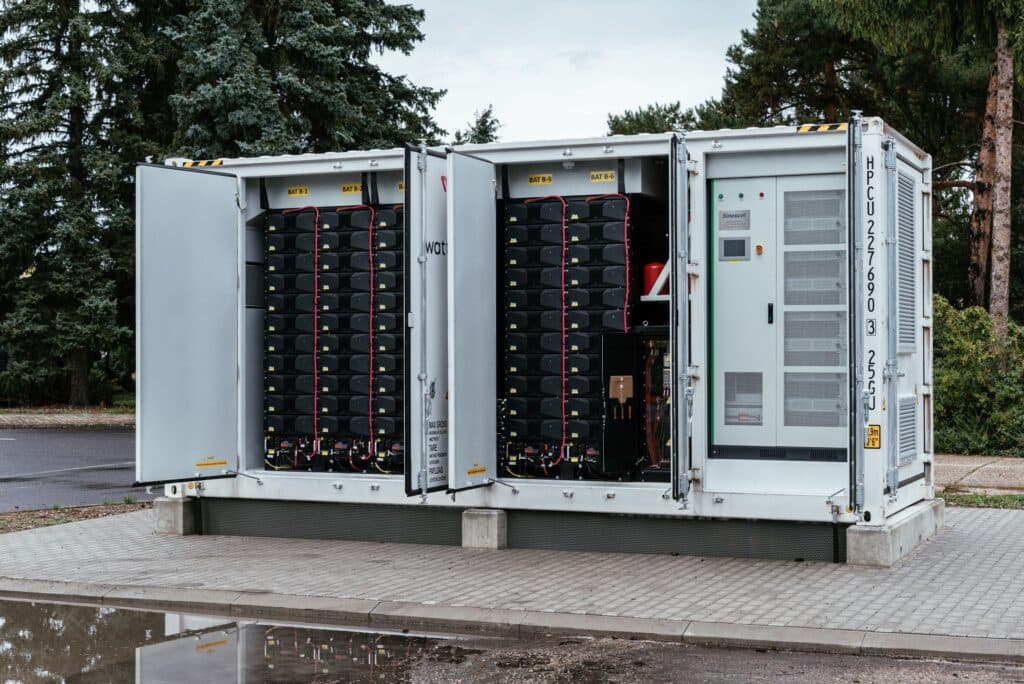
The European battery energy storage system (BESS) market accelerated significantly in 2025. According to SolarPower Europe's new report European Battery Market Outlook 2026–2030, 36 GWh of new capacity was installed in Europe, up 48% year on year. This was the twelfth consecutive record year, while total operating capacity exceeded 100 GWh for the first time by year-end.
Grid-scale batteries became the market's main driver. These projects accounted for more than half of new installations in 2025, with their capacity reaching 19 GWh, nearly double the 2024 level. Growth is primarily being driven by increasing flexibility needs, greater wholesale price volatility, the ability to combine multiple revenue streams and falling technology costs. Support schemes also play a significant role – according to the report, European mechanisms supported almost 70 GWh of grid-scale battery projects last year.
Residential batteries, by contrast, are losing share, though not volume. Their installations across Europe rose slightly to 12.3 GWh in 2025, but their share of annual installations fell to 34%. They still represent the largest segment in cumulative capacity, although their share fell below half for the first time. According to the forecast, grid-scale batteries are set to overtake the residential segment as early as 2026.
Translation disclaimer
This article is a machine translation of the Czech original and has not yet been fully reviewed. In case of any doubt, please refer to the Czech version.
The article continues for subscribers
Premium content
The rest of this article is available to premium subscribers only. Get access to all premium articles on oEnergetice.cz.
You have read only 41% of the article — unlock the remaining 59% with a premium subscription.
Best value: annual subscription
Monthly option 4 € / month
3.25 €/ month
You might also like

2 October 2026, 06:14

1 October 2026, 18:46

1 October 2026, 17:03