Japan expands battery storage to make better use of renewable generation
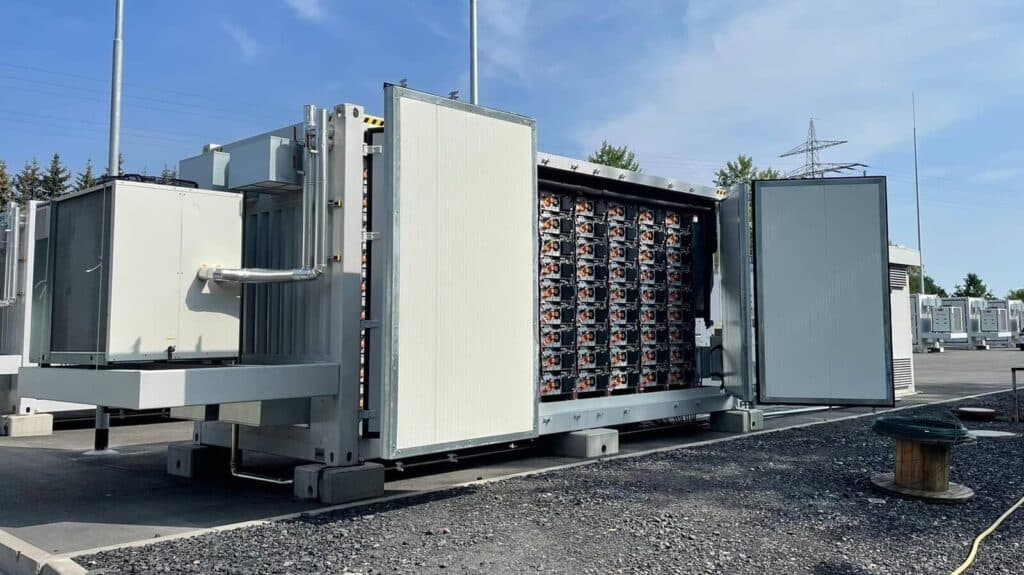
As renewable energy use continues to expand across Japan, energy companies are increasingly calling for output reductions to balance electricity supply and demand. As in other countries, this means the full generation potential of renewables is not being used. Battery storage is expected to offer a solution.
Japan, which has few domestic fossil fuel resources but is also the world’s fourth-largest electricity consumer, is expanding renewable energy to meet its decarbonisation targets and improve energy security. Battery use is expected to grow to help balance the variable supply of solar and wind power.
Eku Energy, jointly owned by Macquarie Group, a green investment fund, and Canadian pension fund British Columbia Investment Management, announced its first project in Japan in April: a 30 MW/120 MWh battery energy storage system in Miyazaki Prefecture on the southern island of Kyushu.
Eku Energy has agreed a 20-year offtake contract with Tokyo Gas for its latest project.
Construction is due to begin later this year. The facility will start operating in July 2026. The storage system will be able to store enough electricity to power approximately 63,000 homes for four hours.
“Our goal is to expand the capacity of our battery energy storage systems worldwide to 9 GWh by 2028, up from around 1.3 GWh currently in operation or announced for construction,” Eku Energy Japan CEO Kentaro Ono told Reuters last week.
Battery storage is expanding rapidly worldwide, led by China and the United States. Growth is expected in Japan, which has so far lagged behind, thanks to government support and institutional changes, including the development of a market to balance electricity supply and demand.
Translation disclaimer
This article is a machine translation of the Czech original and has not yet been fully reviewed. In case of any doubt, please refer to the Czech version.