World's largest thermal battery stores energy in bricks in California
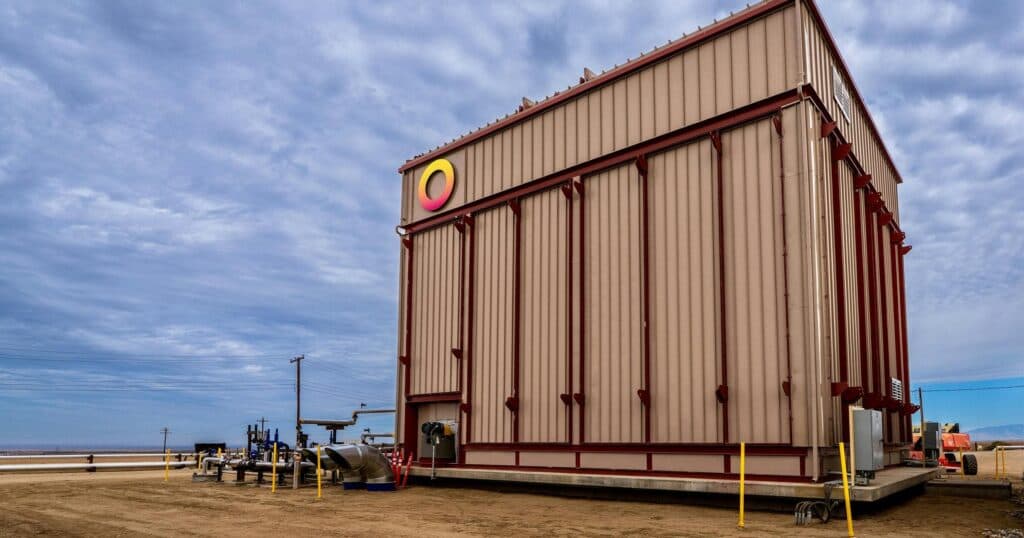
The world's largest thermal battery has been launched in California. Instead of storing energy in electrochemical cells, it stores it in hot bricks. Rondo Energy's technology can heat a block of bricks to more than 1500 °C and store up to 100 MWh of energy. The aim is to offer an affordable and sustainable way to supply industry with clean heat. Although the first project is currently being used for oil extraction, its success could be a breakthrough for decarbonising industry worldwide. The news was reported by Energy Storage News.
The project could fundamentally change how we store and use energy from renewable sources. A facility has been commissioned in California that can convert electricity into heat at temperatures above 1000 °C and store it for later use. The so-called brick battery represents a new direction in the energy sector: instead of expensive batteries, it uses cheap, solid materials and offers hope for decarbonising industry.
A battery made of bricks
The principle is surprisingly simple. Electricity from renewable sources, such as solar panels, heats massive blocks of special bricks. They can store heat and release it when needed—for example, to produce steam or supply heat for industrial processes.
Rondo Energy says its system achieves an efficiency of more than 97% and that the bricks can be heated to as high as 1500 °C. The newly commissioned unit has a capacity of around 100 MWh and has been operating flawlessly in real-world conditions for more than ten weeks. Compared with conventional lithium-ion batteries, the technology is cheaper, easier to manufacture and much more durable.
Its first use and the paradox
The new system is currently being used for so-called enhanced oil recovery, which extracts oil using hot steam. This creates a paradox: a technology designed to decarbonise is currently helping make the oil industry more efficient. Critics warn that this could help prolong the life of fossil fuel resources, which need to be phased out.
"We are decarbonising the world as it is," says Rondo Energy founder and chief technology officer John O’Donnell, defending the project.
He says it is better for oil companies to use solar electricity in their operations instead of natural gas. The first project has also made it possible to test the technology at full scale and secure funding for further development.
Rondo is already building additional full-scale units in Europe, specifically in Germany and Denmark. These units are expected to be cheaper and quicker to commission thanks to experience gained in California. Production takes place at a factory in Thailand with annual capacity of up to 2.4 GWh of thermal batteries. The aim is to offer a solution especially for cement plants, steelworks and the food industry—sectors that need a reliable source of high-temperature heat and are among the largest producers of CO₂ emissions.
Europe and clean industry
Industrial heat accounts for around one-fifth of global energy consumption today, with most of it coming from the burning of fossil fuels. The success of the California project could therefore be the first step towards changing this balance.
Although its connection to the oil extraction sector is troubling, Rondo's technology shows that a cleaner industry need not be just a vision of the future.
"It's a simple, practical solution that is already working today,"says O’Donnell.
Translation disclaimer
This article is a machine translation of the Czech original and has not yet been fully reviewed. In case of any doubt, please refer to the Czech version.




