This week, we once again bring you a carefully selected list of the ten most significant articles published on oEnergetice.cz. If you missed any of them, here is a selection of the articles that attracted the most interest from our readers. Good luck in the new week!
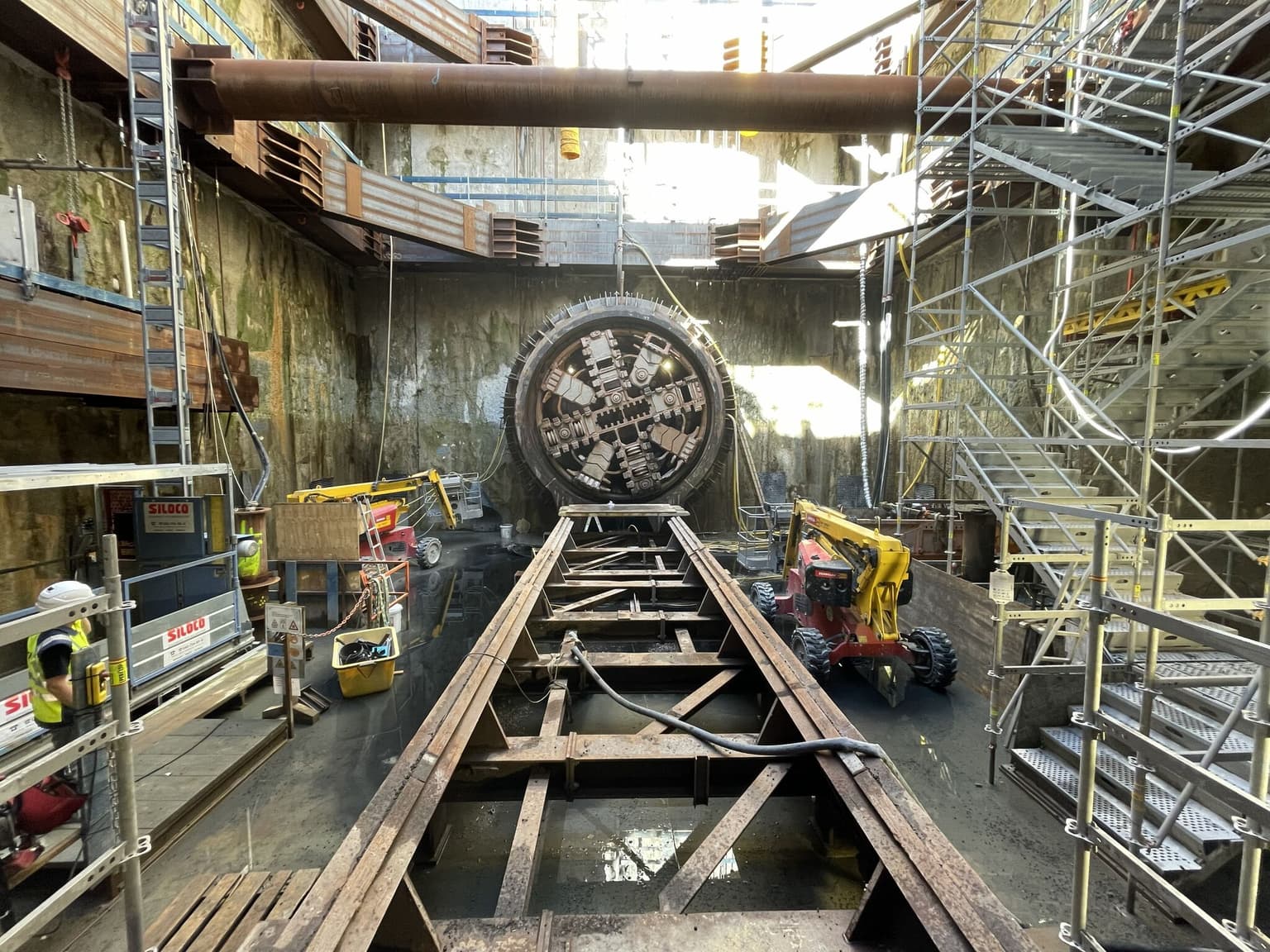
The SuedLink backbone transmission project in Germany has reached another construction milestone with the completion of a tunnel more than five kilometres long beneath the Elbe. The ElbX river-crossing project, which linked sections of the line between Schleswig-Holstein and Lower Saxony, is among the technically most complex parts of the 700-kilometre HVDC link. From the end of 2028, it is expected to strengthen capacity for transmitting electricity from northern to southern Germany.
TenneT, which operates part of Germany’s transmission system, together with representatives of both federal states, symbolically completed the excavation of the ElbX tunnel, linking Wewelsfleth in Schleswig-Holstein with Wischhafen in Lower Saxony. The approximately 5.2-kilometre tunnel thus physically connects the northern sections of the SuedLink route on both banks of the Elbe.
The administration of US President Donald Trump this week declared a national emergency enabling restrictions on the use of certain foreign equipment in the US power grid. The White House justified the move by citing an “unusual and extraordinary foreign threat” posed by equipment used in transmission systems. The European Union took a similar direction this year, restricting public funding for projects using inverters from suppliers deemed high-risk, while in Czechia, the National Cyber and Information Security Agency (NÚKIB) last year warned of security risks associated with Chinese technologies and their remote management.
The Trump administration’s order generally prohibits the purchase or installation of certain foreign equipment intended for electricity transmission systems, including related critical software and digital functions that could pose cyber or operational risks.
China generates more electricity from renewable sources than its grid can absorb, while continuing to build coal-fired power plants at record pace. However, the need to curtail renewable generation is not solely a Chinese phenomenon; a number of countries, including the Czech Republic, face it.
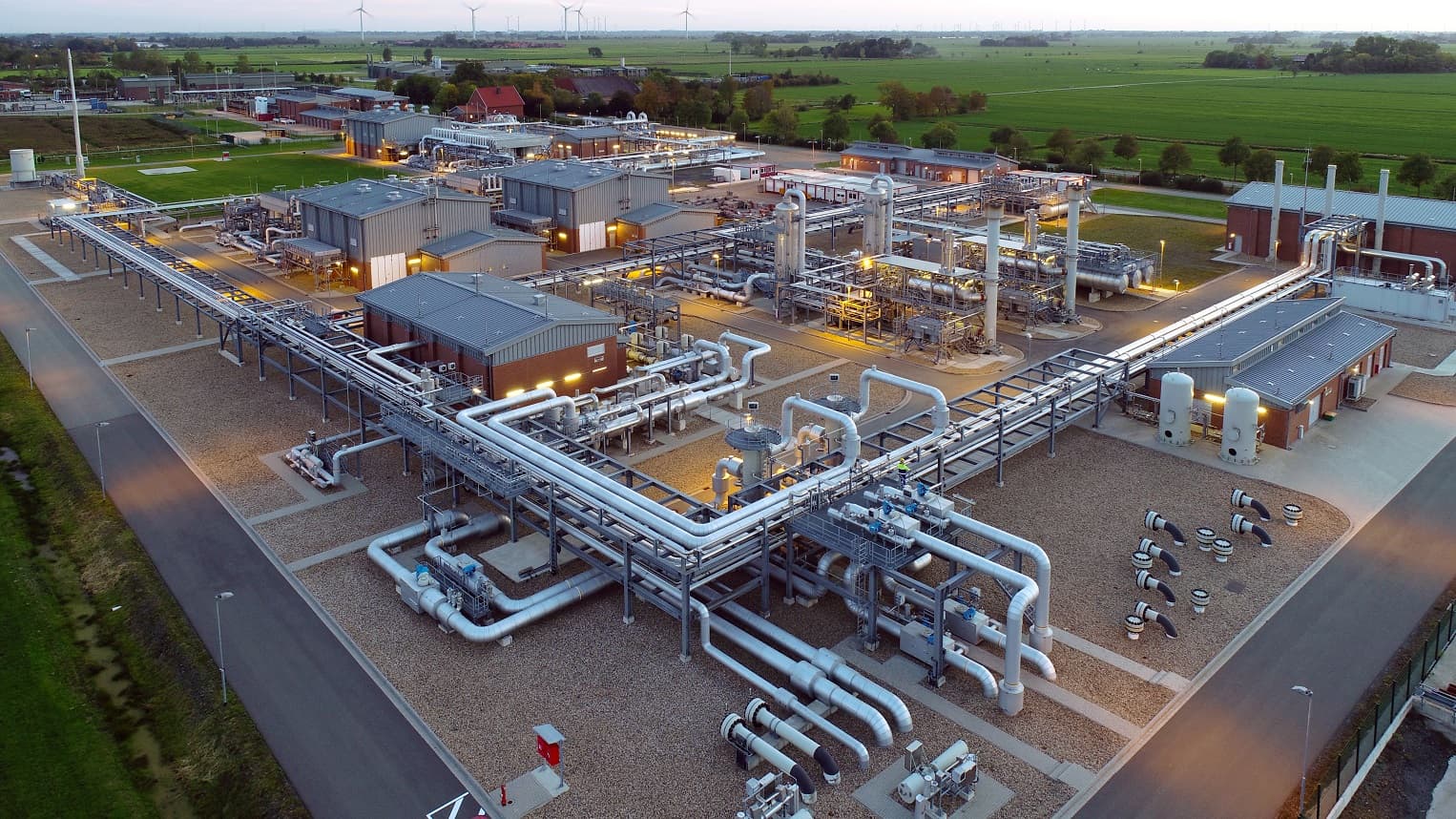
With disruptions to liquefied natural gas (LNG) supplies from the Persian Gulf continuing, Europe is still facing strong competition from Asian demand. LNG deliveries to Europe have therefore been relatively weak in recent months, negatively affecting gas storage levels. It is now almost certain that Europe will not fill its storage facilities to 90 % before winter, as it did in previous years. Amid growing concerns over security of supply, the German government is changing course and no longer wants to leave the solution solely to the market. The situation in neighbouring Germany is also significant for supply security not only in Czechia but across Europe.
After Europe lost the vast majority of its natural gas supplies from Russia in recent years, it suffered another blow this year. Since the start of the war between the US and Iran, the global LNG market has faced significant supply constraints. Before the war broke out, Qatar and the United Arab Emirates supplied roughly one-fifth of total global LNG volumes.
In the coming months, the European Commission will assess whether Czechia has properly designated and designed its acceleration areas. However, the first example from the Olomouc region already shows that the zones are more likely to restrict wind-power projects than facilitate them. And that could be a problem.
ČEZ Renewable Energy Sources planned to build six 240-metre wind turbines near the village of Norberčany in the Olomouc region. The proposal is now undergoing an environmental impact assessment (EIA), but the company will have to reconsider it.
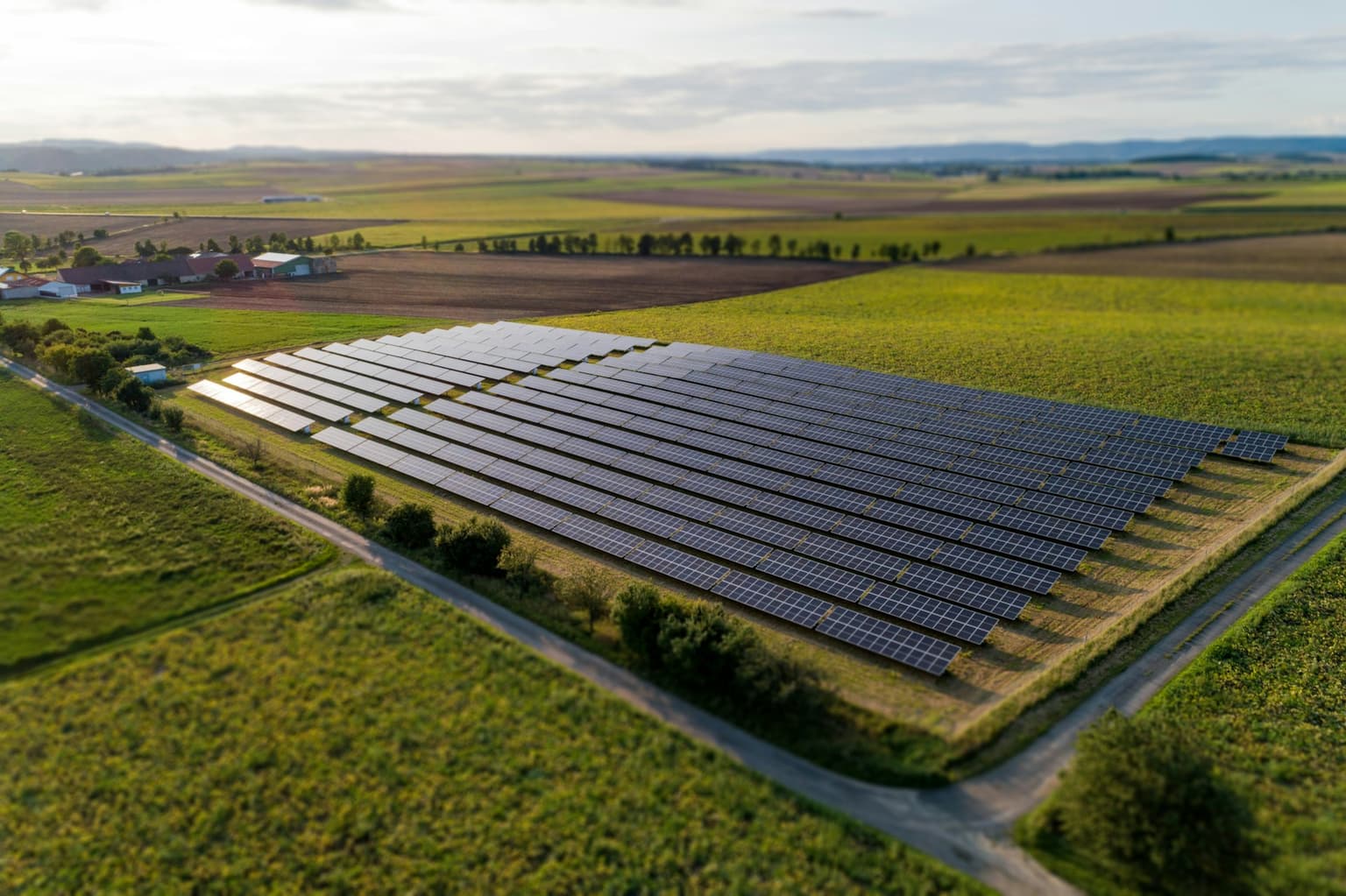
In August, Germany exceeded 128 GWp of installed photovoltaic capacity, meeting its statutory target for 2026 several months ahead of schedule. The country now has more than six million solar installations, and photovoltaics accounted for roughly one-fifth of net electricity generation last year. However, the solar industry points out that reaching the current milestone does not mean further growth will continue automatically. According to the sector, planned changes to support schemes and grid-connection rules could slow investment in new plants.
Germany has reached a significant milestone in photovoltaic expansion. Installed solar capacity exceeded 128 GWp in August, meaning the country met the target set by the Renewable Energy Sources Act (EEG), which was to be achieved by the end of 2026. According to the German Solar Association BSW Solar, more than six million solar installations are currently installed in the country.
In light of events in the Middle East, global media have focused on China’s oil management and found that the country dealt with disruptions to Iranian petroleum-product supplies far more effectively than expected. How did the world’s largest oil importer manage to dramatically cut its imports to nearly half their original volume without suffering a severe economic or energy shock?
After the outbreak of the conflict between Iran and the United States, energy-market analysts immediately focused on the Strait of Hormuz, through which roughly 20 million barrels of oil and petroleum products normally flow to global markets each day, representing approximately 25 % of global seaborne oil trade. This transit point is especially important for Asian countries, which receive nearly 80 % of all exports passing through it from the Middle East. China and India alone take around 44 % of exports flowing through the strait.
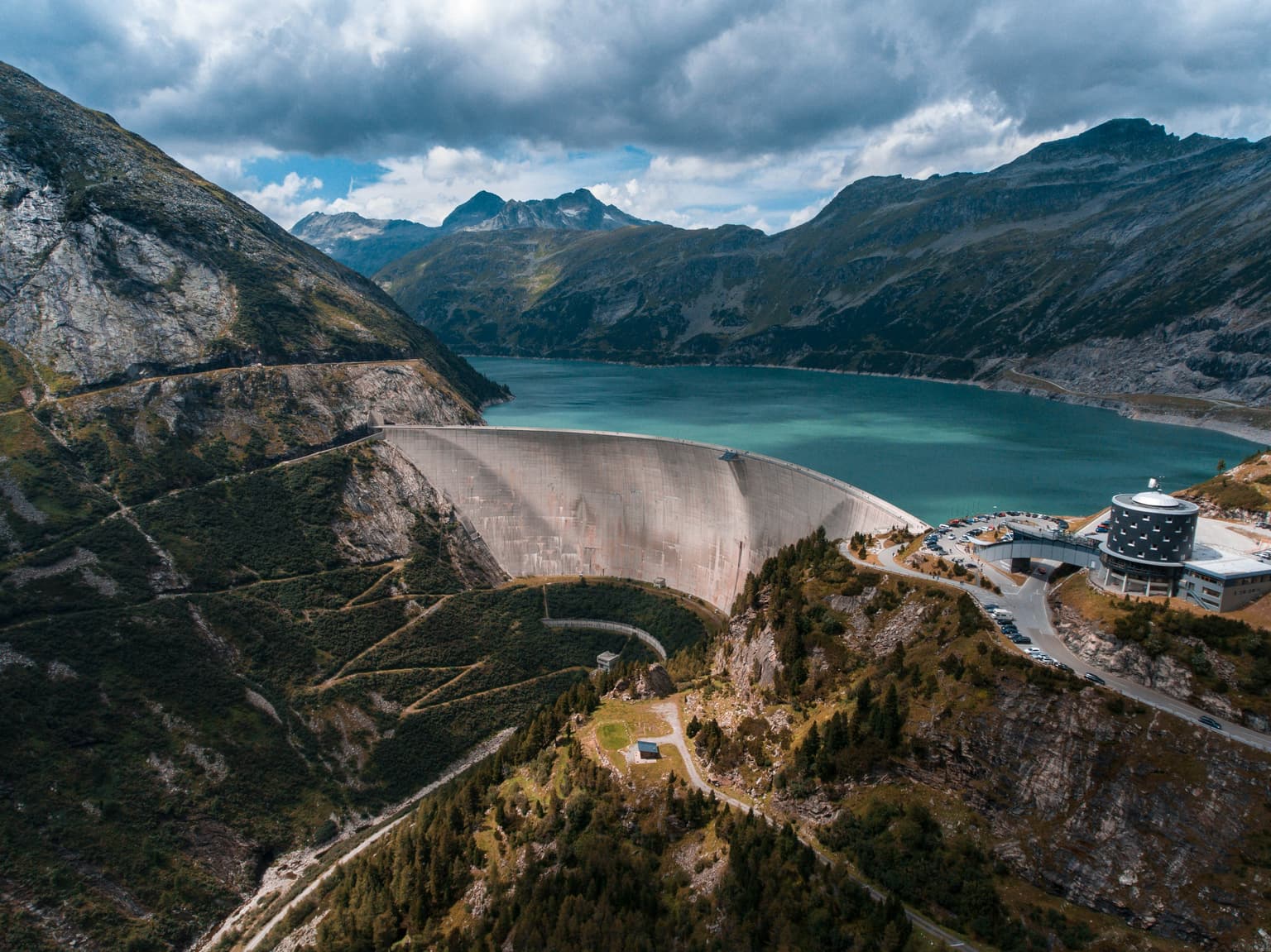
Norwegian water reserves in the southeast of the country have fallen to their lowest level in 30 years due to persistent drought. Norway’s energy regulator NVE is therefore considering mandatory reporting for hydropower operators in certain price zones to gain a better overview of how water reserves are being managed.
Norway’s water resources and energy regulator NVE is considering introducing a special reporting system for hydropower generators. The reason is persistently low reservoir levels, particularly in central and southern Norway, which are limiting the amount of water available for electricity generation.
A cyberattack attributed to hackers linked to Iran managed to shut down a small generating unit in the United Kingdom for four days. In this case, it caused no problem for the British grid. But it is a significant warning for energy security. The incident confirmed cybersecurity experts’ concerns that cyberattacks no longer need to target only data and information systems, but can also have direct impacts on the physical operation of energy facilities, according to the Montel news agency. Russia took the same approach in Ukraine years ago.
The energy sector has been rapidly digitalising in recent years. Power plants, transmission systems and thousands of smaller facilities are increasingly interconnected through sensors, control systems and remote access. This brings greater operational efficiency, but also new vulnerabilities. The International Energy Agency (IEA) has long warned that the number of cyberattacks on the energy sector is rising and that digitalisation is expanding the number of potential entry points for attackers.
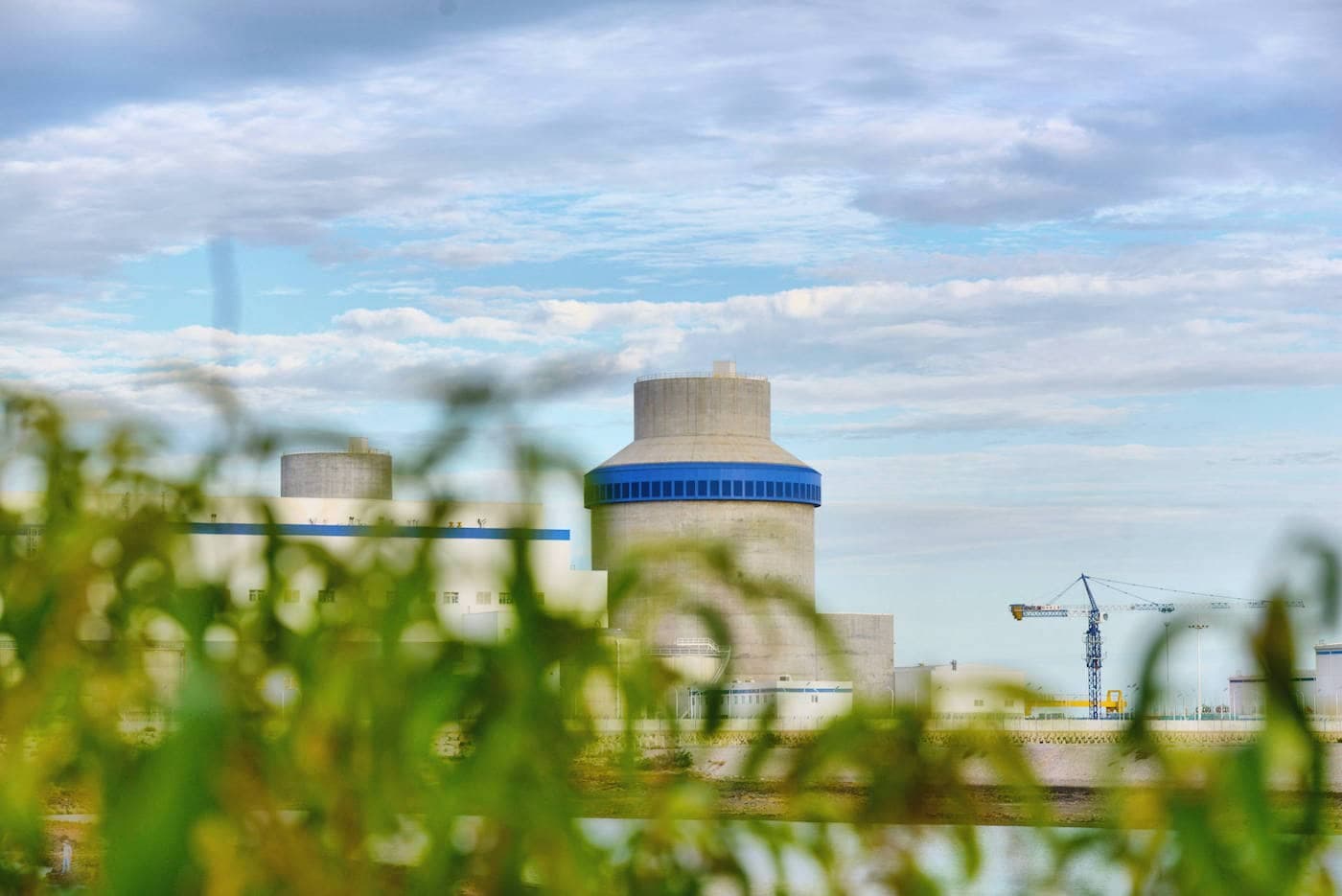
A new Chinese nuclear unit at the Bailong plant has reached an important milestone. Technicians at the site officially began construction of the CAP1000 reactor unit with the first concrete pour. The new 1250 MW unit is expected to enter commercial operation within 5 years. China also plans to build four additional CAP1400 (Guohe One) units at the Bailong plant. Once completed, the plant’s installed capacity will exceed 8.5 GW.
Chinese energy company State Power Investment Corporation (SPIC) announced that it has officially started construction of the second unit at the Bailong nuclear power plant. The first concrete pour for the reactor building is considered the start of official construction of a nuclear unit. At Bailong 2, the process took just under 39 hours and builders used 1 732 cubic metres of concrete.
This article is a machine translation of the Czech original and has not yet been fully reviewed. In case of any doubt, please refer to the Czech version.