
25 October 2026, 08:20
Loading...
Top 10 Czech energy stories of the past week
oEnergetice.cz
23 November 2025, 21:07

This week, we’re once again bringing you a carefully selected list of the ten most important articles we published on oEnergetice.cz. If you missed any of them, here’s a selection of the articles that attracted the most interest from our readers. Best of luck in the new week!
1. German and European gas storage sites are unusually low at the start of the heating season
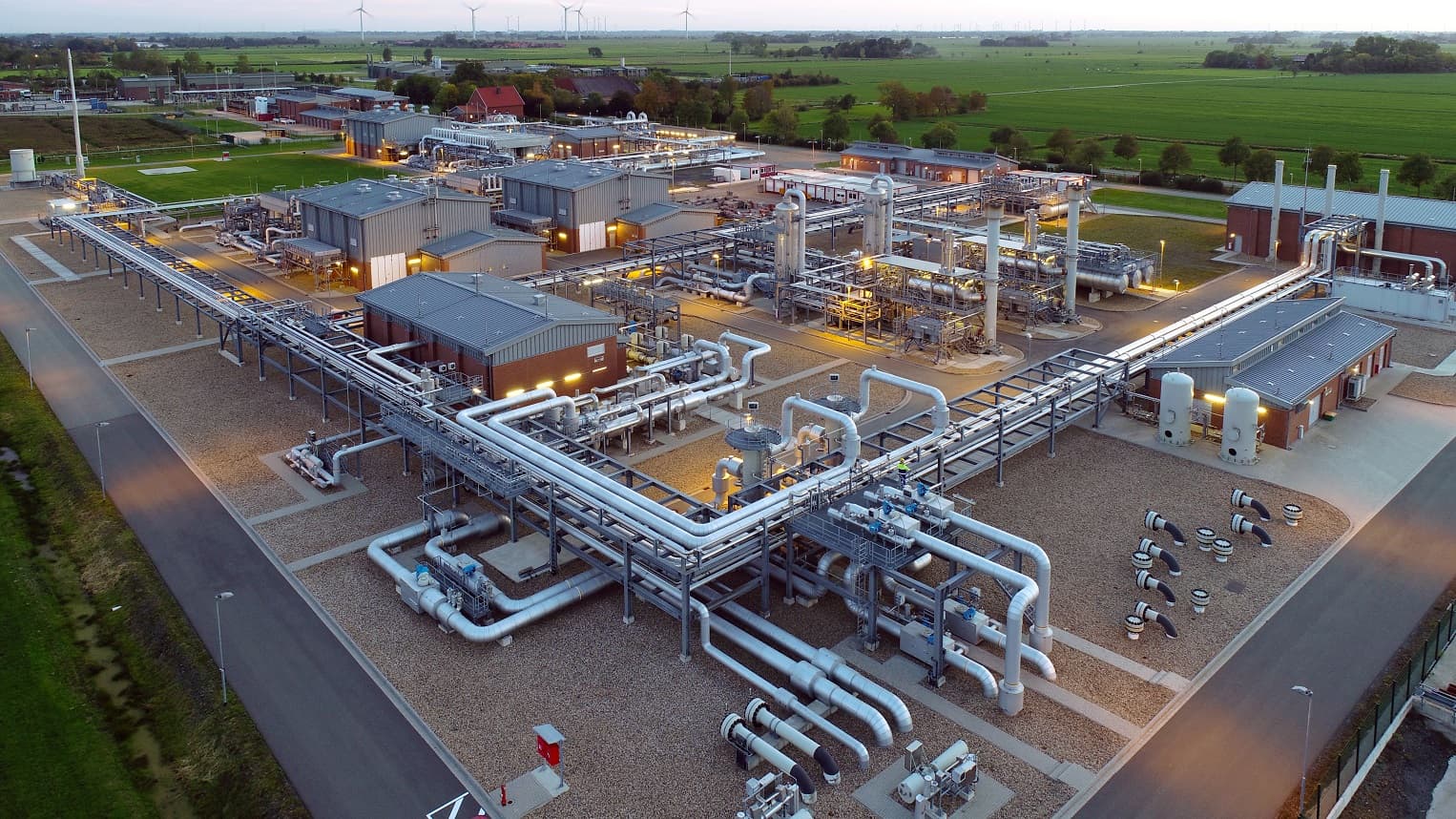
Germany is entering the 2025/2026 heating season with significantly lower natural gas storage levels than in previous years. A similar situation is being observed across the European Union as a whole. The Czech Republic is in a somewhat better position.
Germany’s natural gas storage operators’ association INES has warned, according to the international news outlet Clean Energy Wire, that German natural gas storage sites are 75% full as the heating season begins, significantly less than in previous years.
Read the full article HERE.
2. US outraged as UK opts for SMRs over American nuclear technology
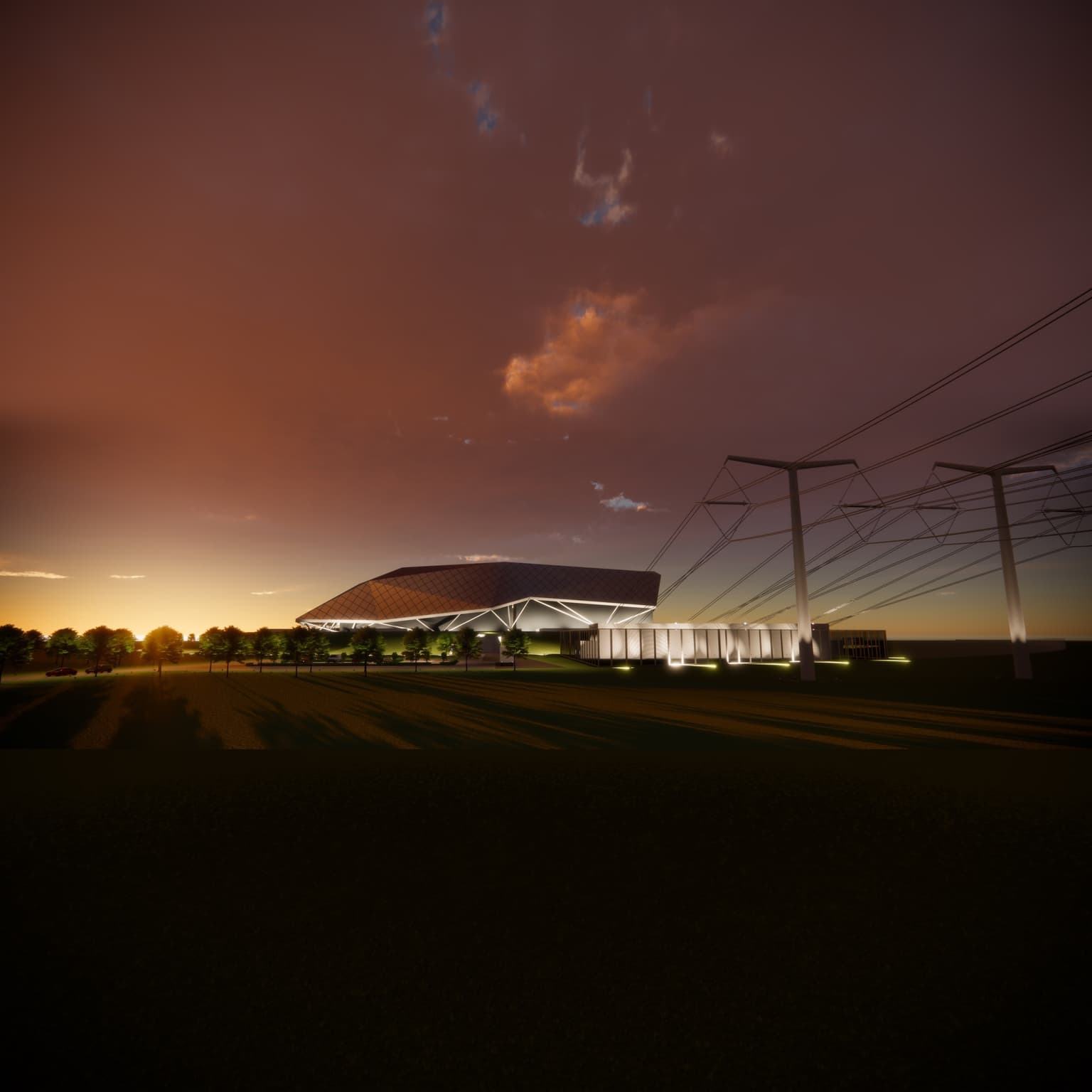
The United Kingdom has backed the development of small modular reactors and decided that the first project will be built in North Wales, on the site of a decommissioned nuclear power plant. The US has criticized the decision, having also sought a contract for Westinghouse at the same site.
The United Kingdom has selected a site in North Wales for its first small modular reactors (SMRs). It is the island of Anglesey in North Wales, home to the Wylfa nuclear power plant. The plant ceased operations at the end of 2015.
Read the full article HERE.
3. Germany’s industrial electricity price close to EU approval, but businesses dislike the proposed terms

Germany is nearing an agreement with the European Commission to introduce a reduced electricity price for industry, which is set to take effect in January 2026 and remain in place until the end of 2028. The programme, worth 3–5 billion euros, is intended to support energy-intensive businesses facing higher electricity prices than their global competitors. The support also includes planned auctions for the construction of 8 GW of hydrogen-ready gas-fired power plants. However, the German government is still awaiting formal EU approval for the measures.
German coalition leaders said that talks with the European Commission on introducing a reduced industrial electricity price are progressing very favourably. The measure is due to enter into force on 1 January 2026 and remain in place until the end of 2028.
Read the full article HERE.
4. UK’s Hinkley Point B nuclear power plant gets approval for decommissioning

Hinkley Point B nuclear power plant in Somerset, UK, which has been shut down for three years, has received regulatory approval for decommissioning. This clears the way for the dismantling of its two AGR units, with a combined installed capacity of 1250 MW. Decommissioning the technology will take more than 10 years. The UK is now building two new EPR units at the Hinkley Point site, with a combined capacity of 3.2 GW; they are expected to enter operation after 2030.
The UK’s Office for Nuclear Regulation (ONR) announced that it had granted approval to decommission Hinkley Point B nuclear power plant. EDF Energy ended operations at the two-reactor plant in 2022. Since then, the operator has, among other things, removed nuclear fuel from the reactors.
Read the full article HERE.
5. Auctions for new gas-fired capacity in Germany: government cuts plan to 8 GW

After lengthy talks with the European Commission, the German government has unveiled a significantly revised plan to build new gas-fired capacity. Next year, it intends to launch auctions for at least 10 GW of dispatchable capacity to cover periods when renewable sources cannot meet demand. Only 8 GW of this is to come from gas-fired power plants designed for future operation on hydrogen. This marks a substantial reduction from the original plan to build up to 20 GW by 2030, reports Montel News.
Merz’s office announced on Thursday, 13 November, that talks with the European Commission were nearing their conclusion. The Commission is expected to approve soon the long-delayed state aid scheme, a prerequisite for launching the auctions. These are intended to support the construction of new capacity totalling at least 10 GW.
Read the full article HERE.
6. ČEZ to invest CZK 20 billion in district heating in the Ústí nad Labem Region and build boiler plants

ČEZ is investing CZK 20 billion in district heating in the Ústí nad Labem Region. New gas-fired boiler plants have been completed in Prunéřov and Tušimice in the Chomutov area, as well as five gas-fired boiler plants in the Střekov district of Ústí nad Labem. A biomass boiler plant, a cogeneration unit and a hot-water pipeline to Kadaň are being prepared in Prunéřov. In Tušimice, the company is considering building a small modular reactor, and it is also looking at building a combined-cycle gas plant in Trmice, near Ústí nad Labem. ČEZ ESCO CEO Kamil Čermák told reporters today.
According to Čermák, the ČEZ Group will be ready for a managed phase-out of coal by 2030. “That is a realistic timeframe for us,” he said. The investment will have a minimal impact on heat prices. “Our long-term plans and contracts point to increases that are relatively small compared with the rest of the country,” he said. Last May, ČEZ announced that it would invest CZK 100 billion in the transformation of the energy and heating sectors in the Ústí nad Labem Region by 2030. This should help preserve the district heating system that serves most of the larger towns in the region.
Read the full article HERE.
7. Germany cuts funding for climate protection measures

Recent cuts to the German government’s budget are likely to make it impossible to meet its climate and energy commitments. Critics say this casts the EU’s largest economy in a negative light, particularly as the cuts come during the annual COP climate conference.
The decision to cut the budget for climate measures has prompted an outcry from environmental organizations, some politicians and academics. The news was reported by Euractiv.
Read the full article HERE.
8. Conference in Litoměřice highlights strong interest in geothermal energy

A conference in Litoměřice today demonstrated strong interest in the potential uses of geothermal energy, bringing together scientists, businesspeople and local government representatives. Experts say that tapping heat from within the Earth could become part of the shift away from coal to other energy sources. Municipalities could also use geothermal energy in buildings and urban energy systems. This will be the case in Litoměřice, where shallow drilling is set to begin in January. Antonín Tym, manager of the Synergys geothermal project, told the Czech News Agency (ČTK).
Researchers, representatives of drilling companies, developers and public officials filled the conference hall at Litoměřice Castle to discuss the practical use of geothermal energy, as well as safety, methods of capturing energy and putting it to use. They presented technologies including heat pumps and heat exchangers, which can both heat and cool buildings.
Read the full article HERE.
9. Japan prepares to restart the world’s largest nuclear power plant
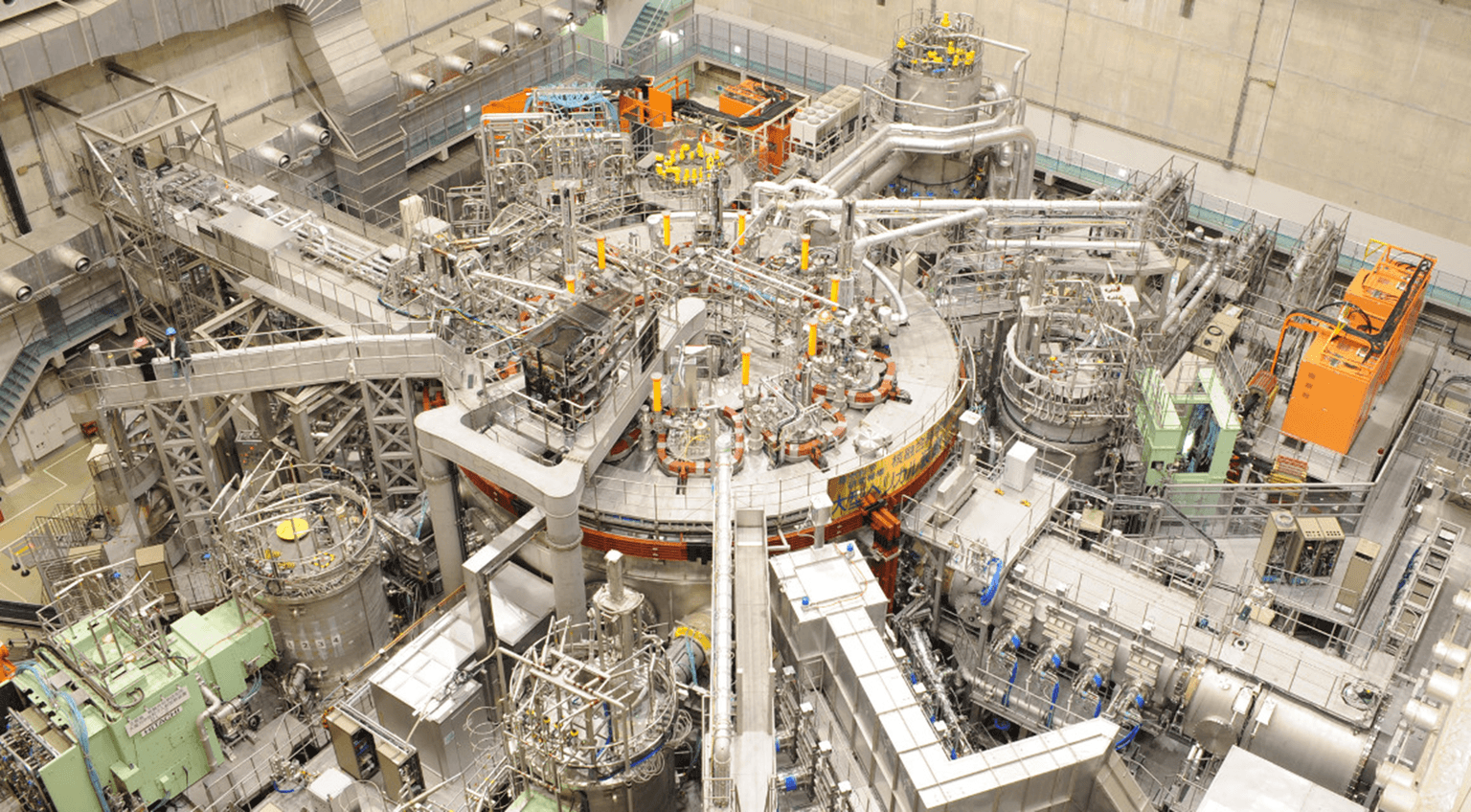
The world’s largest nuclear power plant, Kashiwazaki-Kariwa in Japan, could soon restart after being shut down more than a decade ago following the Fukushima nuclear disaster. Hideyo Hanazumi, governor of Niigata Prefecture, where the plant is located, is expected to announce on Friday that he agrees to a partial restart, Kyodo News reported, citing several unnamed sources. Approval would remove the last obstacle to Tokyo Electric Power Company Holdings’ (TEPCO) efforts to restart the plant.
Hanazumi will submit his plan for consideration by the prefectural assembly, the region’s legislative body, at its regular session beginning on 2 December. If the assembly supports his decision, Hanazumi is expected to comply with the central government’s request and approve the restart, the Nikkei newspaper reported.
Read the full article HERE.
10. Paks II nuclear power plant expects first concrete in February 2026
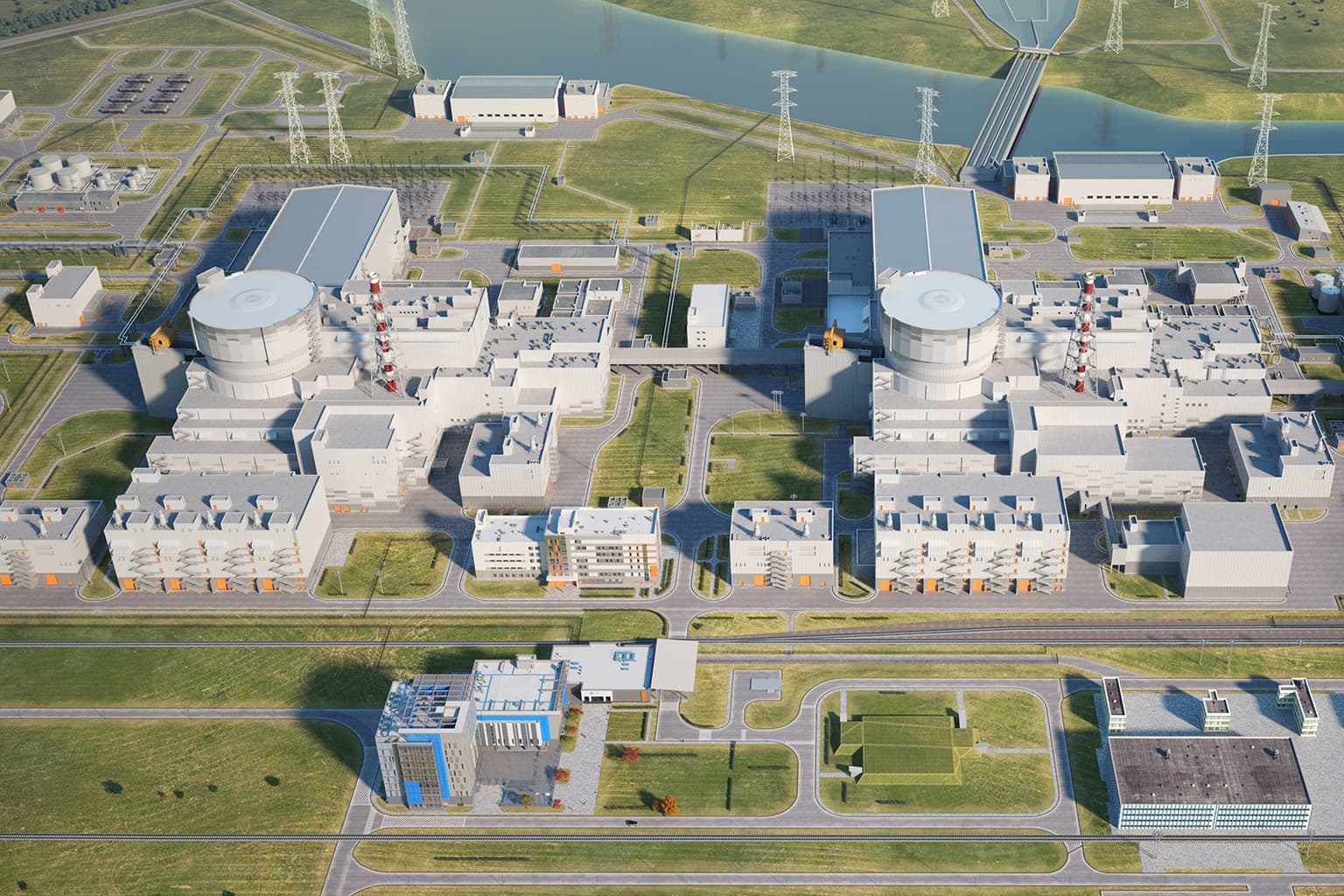
The Hungarian Atomic Energy Authority (HAEA) has issued key permits allowing the first concrete to be poured for the Paks II nuclear power plant. Specifically, it granted construction licences for the control building, the auxiliary services building and the technical maintenance building for Unit 5.
One of the decisions also concerns construction of Unit 6 at Paks II. Another relates to construction of Unit 5. The first “nuclear” concrete — the point at which a project is officially considered a “nuclear power plant under construction” — is planned for February 2026.
Read the full article HERE.
Energostat: electricity generation in the Czech Republic
Data in this chart is also available in 15-minute resolution60min15min
Energostat: electricity generation in Germany
Data in this chart is also available in 15-minute resolution60min15min
More up-to-date charts and data are available on Energostat
Translation disclaimer
This article is a machine translation of the Czech original and has not yet been fully reviewed. In case of any doubt, please refer to the Czech version.
Sdílejte článek prostřednictvím:
Topics:Energy Weekly
You might also like



23 October 2026, 14:38