This week, we once again bring you a carefully curated list of the ten most important articles published on oEnergetice.cz. If you missed any of them, here is a selection of the stories that caught our readers’ attention the most. Good luck in the new week!
The transformation of the energy sector, involving changes in generation mixes and growth in decentralised generation alongside energy storage, raises questions about the needs of the power system. Distribution grids in particular require major investment and changes to their management in many European countries. Maintaining and developing distribution grids entails high costs, and not only Czechia but also neighbouring Germany is considering the need to reform its charging system. Germany’s grid regulator recently presented details of a planned reform of network charges. In the foreseeable future, these are also expected to become dynamic and encourage generators and consumers to optimise their needs.
Financing the maintenance and, above all, development of distribution grids is a sensitive issue, as it often comes up alongside reform of the charging system. The transformation of the energy sector is increasingly prompting legislators and regulators in individual EU countries to consider possible changes to the way electricity distribution is financed. Discussions about changing the tariff structure are under way, for example, in Czechia and, similarly, in Germany.
A new study by consultancy AFRY, prepared for the organisation Beyond Fossil Fuels, shows that around 455 GW of battery storage projects and a further 375 GW of renewable energy projects are waiting in connection queues for Europe’s distribution grids. The value of the clean energy projects held up in this way exceeds 100 billion euros. The Czech Republic is among the eight markets covered.
The study, entitled “Grid Expectations”, analyses the situation in Bulgaria, the Czech Republic, Italy, Germany, Poland, Greece, the United Kingdom and Spain, drawing on data available as of February 2026. The authors conclude that limited distribution grid capacity has become a structural barrier to the energy transition—comparable in scale to bottlenecks in transmission systems, but with much less regulatory transparency.
An arbitration court in St Petersburg, Russia, upheld a complaint by Russian gas companies Gazprom and Gazprom Export and barred Czech gas pipeline operator NET4GAS from continuing arbitration proceedings against the Russian side at the Arbitration Court attached to the Czech Chamber of Commerce and the Czech Agrarian Chamber. Russian state news agency TASS and the Vedomosti website reported this today. The Czech News Agency (ČTK) is seeking comment from NET4GAS.
Russian courts have recently taken a similar approach towards foreign companies, arguing that anti-Russian sanctions imposed in response to Russia’s invasion of Ukraine make a fair trial abroad involving Russian companies impossible. Russian courts typically pair such bans with a fine equal to the amount at issue in the dispute. This approach, however, is considered ineffective abroad.
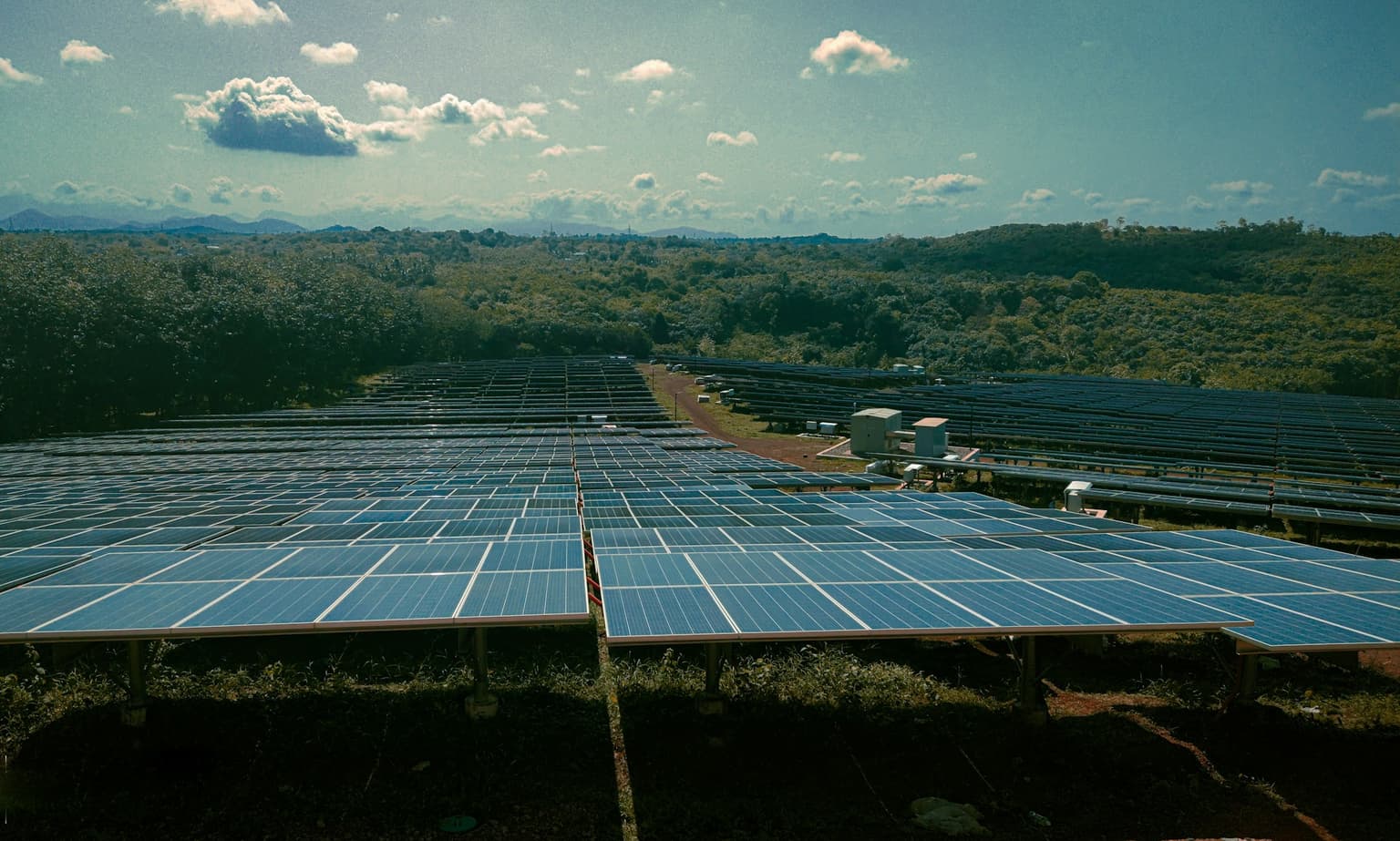
Solar manufacturer Qcells, part of South Korean group Hanwha, has started producing solar cells at its factory in Cartersville, Georgia. This is a key step towards completing the only fully vertically integrated solar plant in the United States—a facility where all the main components of a solar panel, from ingots to wafers and cells to finished panels, are made under one roof. When operating at full capacity, which the company plans to reach in the third quarter of 2026, it is set to be the largest solar cell factory in US history.
The company announced the start of cell production on 9 June 2026. Panel assembly in Cartersville is already running at full capacity, it said, with around 16 700 units rolling off the production lines each day. Once the plant reaches full capacity, it is expected to produce 3,3 GW of ingots, wafers and cells and 3,5 GW of panels annually. Qcells has invested around 2,5 billion dollars in the Cartersville site.
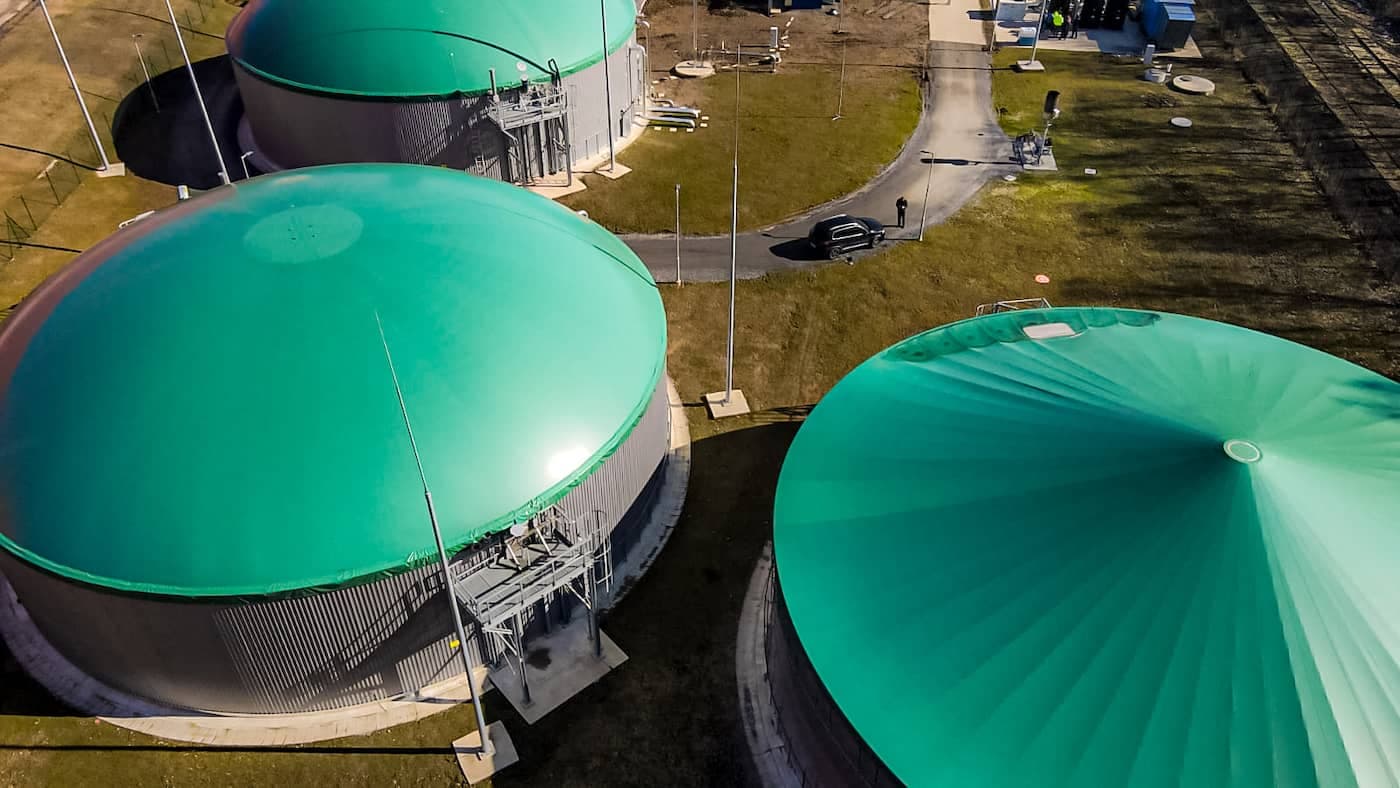
Dozens of biogas plants will face pressure to scale back or shut down because of changes to state support, making generation unprofitable. The so-called green bonus, which boosts the purchase price of electricity from biogas plants, is guaranteed by the state for 20 years of operation. This August, operating support will end for the biogas plant in Kněžice, in the Nymburk region, home to the first energy self-sufficient municipality in Czechia. The plant and a biomass boiler provide cheap heat to around 160 municipal buildings and homes. Switching to biomethane production is not a realistic option for many plants, while the terms of the new modernisation support are highly unfavourable for municipal projects, the municipality’s mayor, Milan Kazda (independent), and Adam Moravec, head of the biogas section at the CZ Biom association, told journalists today.
Operating support currently consists of the selling price at which the municipality sells electricity to a trader and the green bonus, bringing the total to 4,70 Kč per kWh. “This will end on 21 August, and we’ll drop to 3,45 Kč, but only when the price is between zero and 3,45 Kč,” Kazda said. He said it was not yet possible to estimate the exact loss, but he expected a significant reduction in operations and revenues, of at least two million crowns a year.
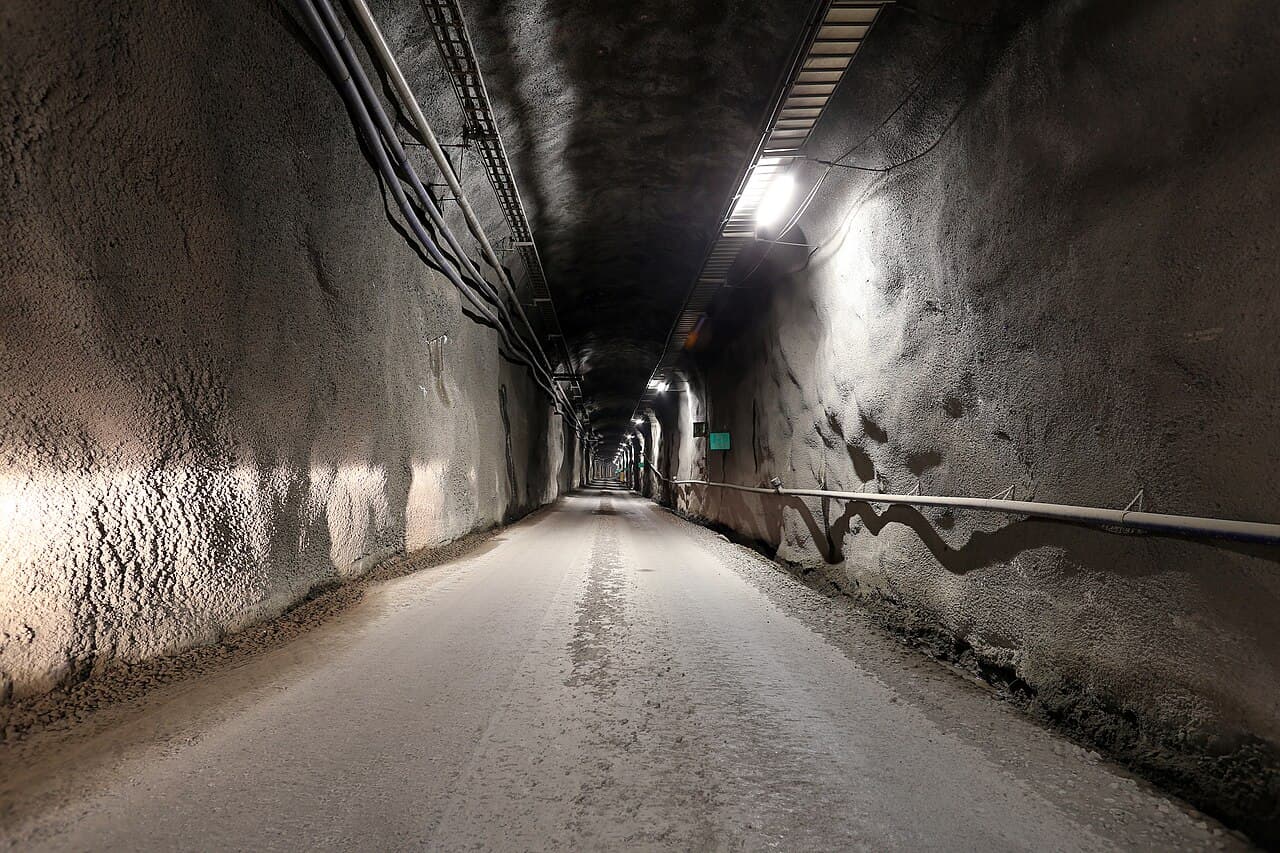
Finland plans to become the first country in the world to begin operating a deep geological repository for radioactive waste this year. The Czech Radioactive Waste Repository Authority is also drawing inspiration from Onkalo as it searches for a suitable site in Czechia for spent nuclear fuel.
A narrow strip of asphalt winds between farmers’ fields towards the horizon, where the bright blue sky meets the treetops. Here and there, well-kept houses are scattered along both sides of the road, while a yellow wooden school building stands right beside it. Welcome to Eurajoki, a cosy coastal town on the Gulf of Bothnia in western Finland, home to just under nine thousand people.
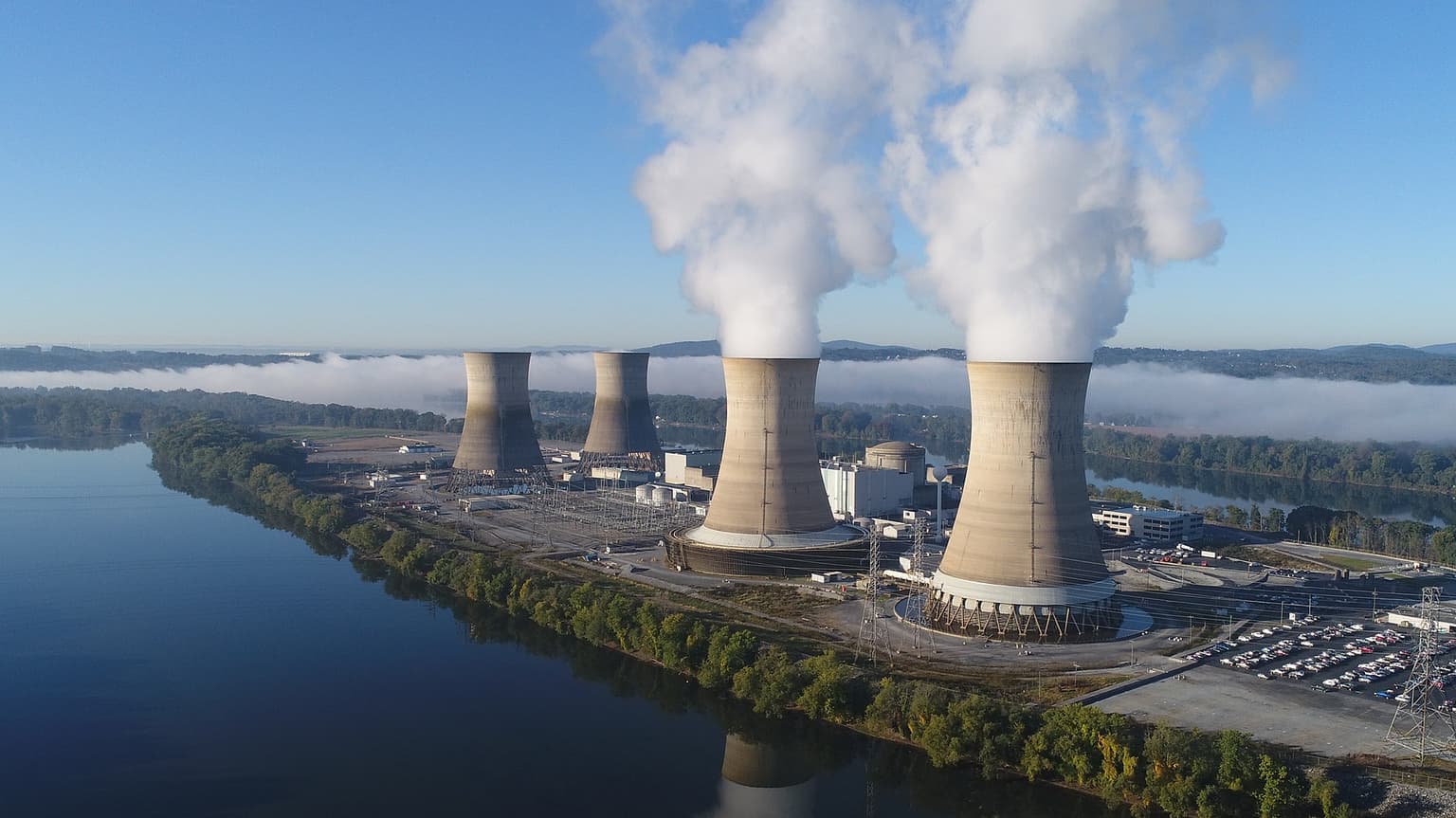
A record June heatwave has prompted French nuclear operator EDF to warn of possible output cuts at three sites. The Blayais plant in southwestern France joined Saint-Alban and Bugey on the Rhône from 17 June. Weekly electricity prices meanwhile topped 100 euros per megawatt-hour, four times the average for the previous week.
EDF first issued a warning on 11 June for Saint-Alban, southeast of Lyon, with possible restrictions from 20 June. Five days later, Bugey, with a total capacity of 3,6 gigawatts, was added to the alert, with measures likely from 23 June. Bugey-2 is already offline for a scheduled annual outage lasting until August, while Bugey-4 is only just ramping back up after a brief economic shutdown.
Last week, the European Commission launched a new “battery booster”, to which it will allocate up to 1,5 billion euros from the Innovation Fund. The new instrument aims to support Europe’s battery sector, which faces a difficult situation, especially because of its heavy dependence on China and competition from the global battery leader.
In a strategy for developing the battery industry published earlier this year, the European Commission noted that despite major efforts to build a domestic battery value chain, the EU has become a net importer of batteries. In 2024 alone, battery imports into the EU were worth 28 billion euros, of which 22 billion euros came from China. China currently dominates global battery production, accounting for more than 80% of total global capacity in 2024, for example.
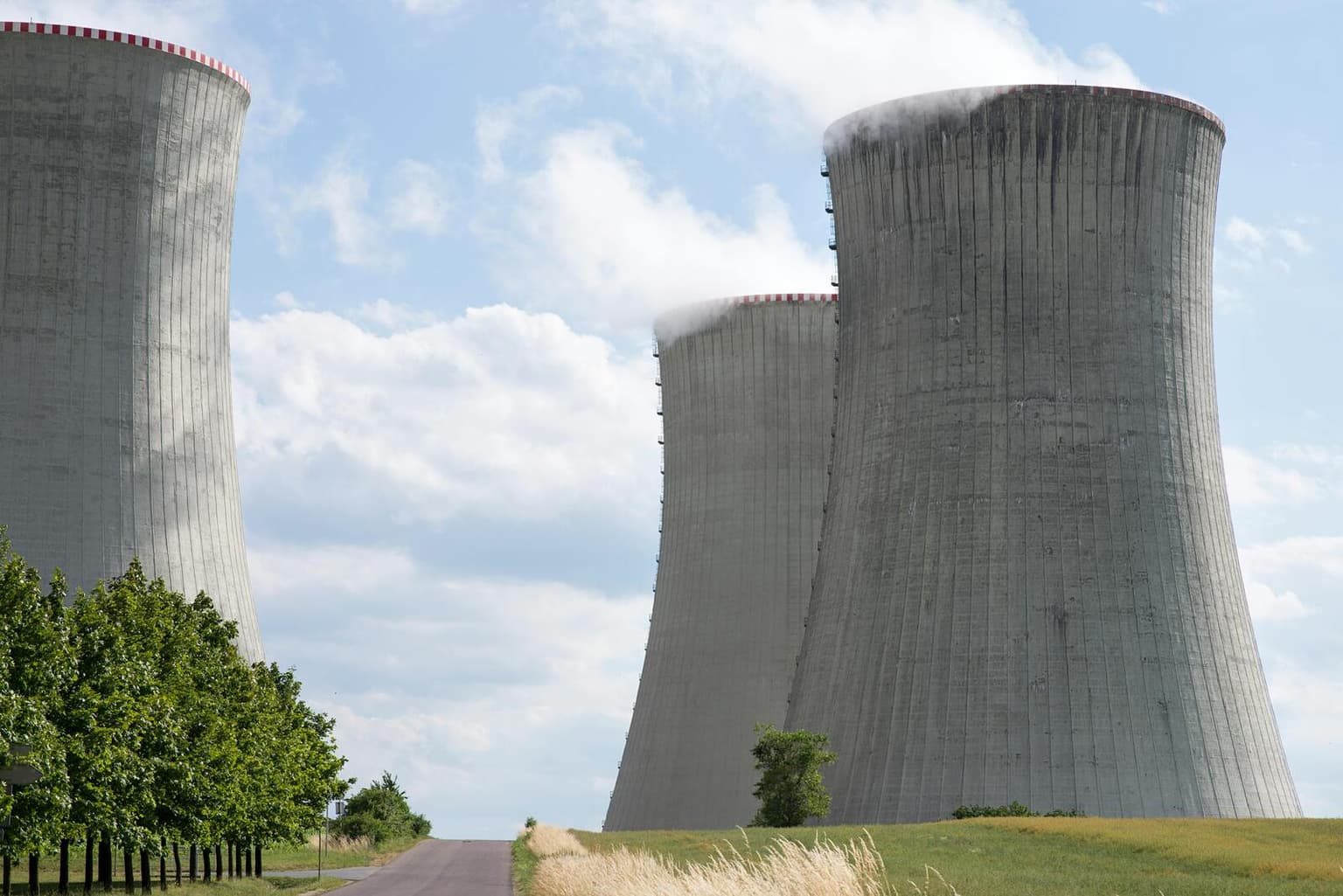
KHNP will soon launch a tender for the supply of cooling towers for two new units at Dukovany. Training for future plant operators is expected to begin in the autumn. The brief for an archaeological survey of the site, which will precede construction, should be completed this year, as should the administrative building for Elektrárna Dukovany II (EDU II), the company investing in the new nuclear power source. Preparations for construction are progressing according to schedule, a year after the contract was signed with South Korea’s KHNP, which will build the units. EDU II spokesperson Alice Horáková told the Czech News Agency (ČTK) today.
The project’s current preparatory phase mainly involves developing design and licensing documentation, obtaining all necessary permits and securing the infrastructure needed to start construction. Construction is expected to begin in 2029.
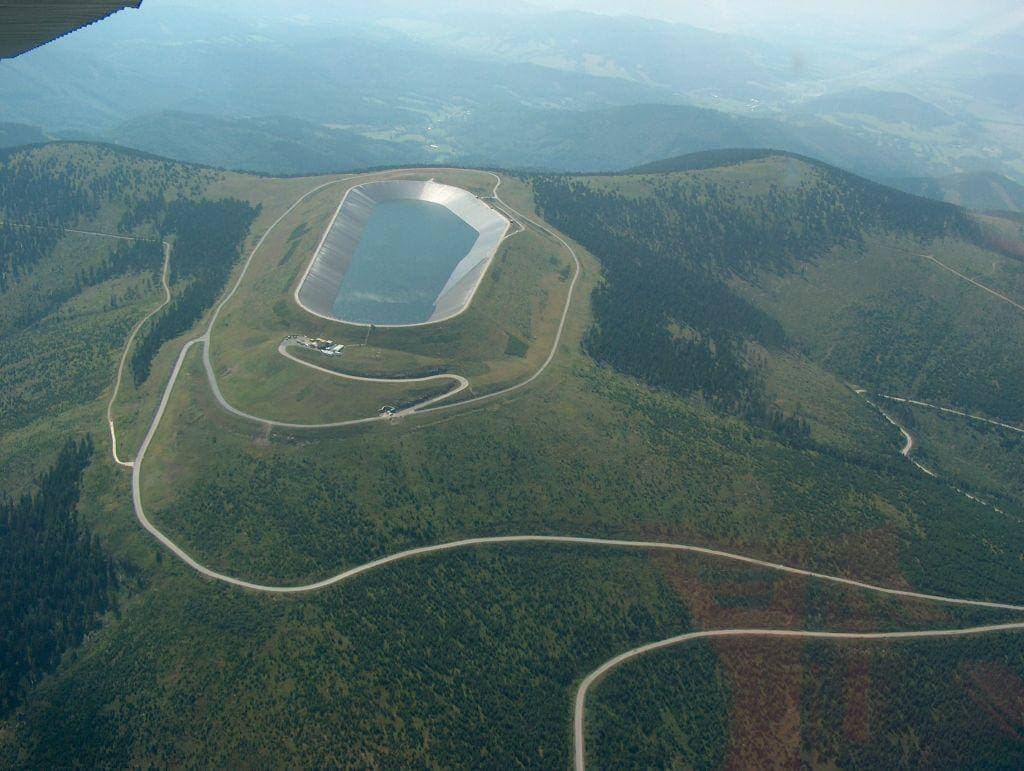
The Dlouhé stráně pumped-storage hydropower plant in the Šumperk region has doubled its annual electricity generation since 2013, to as much as 740 gigawatt-hours. Its important role in balancing the growing output of renewable energy sources has also contributed to the increase, as this places greater demands on stabilising the Czech power system. The plant’s annual output could now cover the consumption of approximately 200.000 households. Ludvík Štrobl, head of operations at the Dlouhé stráně pumped-storage plant, told the Czech News Agency (ČTK).
The Dlouhé stráně pumped-storage plant began operating in 1996 and has served as a giant battery ever since. It helps the power system both by using surplus energy to pump water from the lower reservoir to the upper one, and during periods of shortage, when its powerful turbines generate and sell electricity at a higher price.
Data in this chart is also available in 15-minute resolution60min15min
Energostat: electricity generation in Germany
Data in this chart is also available in 15-minute resolution60min15min
Find more up-to-date charts and data on Energostat
Translation disclaimer
This article is a machine translation of the Czech original and has not yet been fully reviewed. In case of any doubt, please refer to the Czech version.