Top 10 energy stories from last week
This week, we once again bring you a carefully selected list of the ten most important articles we published on oEnergetice.cz. If you missed any of them, here is a selection of the articles that attracted the most interest from our readers. Good luck in the new week!
1. Germany to freeze carbon allowance prices for heating and transport
The German government plans to freeze the prices of domestic carbon allowances, which the country introduced several years ago for the heating and transport sectors. Germany’s national system is due to be replaced by the EU-wide EU ETS 2, but its launch has been delayed by a year. The government spent months considering how to handle the situation. It has ultimately decided to keep the current price corridor of between 55 and 65 euros per tonne for 2027 as well.
In recent years, pricing emissions from heating and transport has become a major political issue, with some EU governments pushing to postpone or even cancel the European ETS 2 system. It was originally due to launch next year, but EU representatives agreed at the end of 2025 to delay it by a year. Some European countries, however, have introduced their own charges on emissions from heating and transport—Germany and Austria in particular.
Read the full article HERE.
2. First wind farms from Czech auctions are up and running, with capacity set to double
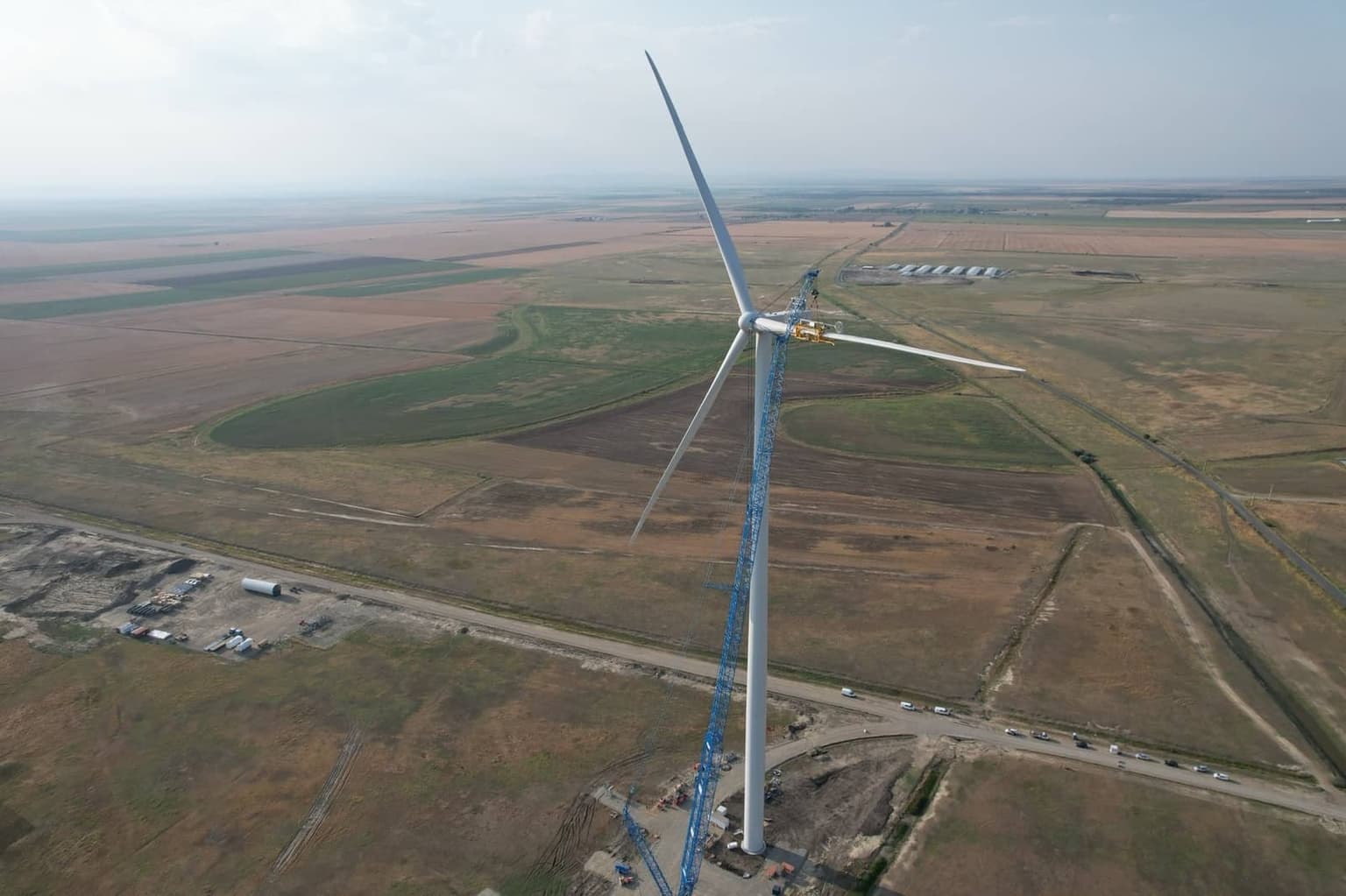
Auctions for operating support for renewable energy sources are beginning to deliver tangible results for Czech wind power. According to data from the Czech Ministry of Industry and Trade, wind farms awarded operating support in auctions with a total capacity of 26.94 MW were in operation as of 30 April 2026. A further 378 MW or so is expected to follow in the coming years, provided the projects secure permits and financing and complete construction.
The first three wind farm projects to win support in the auctions have already started operating. This is according to the Czech Ministry of Industry and Trade’s response to a request under the Freedom of Information Act. They are projects developed by SYNERGION Jívová s.r.o., with an installed capacity of 11.3 MW; LHOTA BRNO s.r.o., with a capacity of 9.04 MW; and VTE Maletín s.r.o., with a capacity of 6.6 MW. All three projects won with a reference price of 3 500 Kč/MWh.
Read the full article HERE.
3. Temelín uses new metal-coating method, becoming one of the first in the world

The Temelín nuclear power plant has used a new method of applying metal at supersonic speed. Temelín is one of the first nuclear power plants in the world to use the technology, called Cold Spray, which enables repairs without heat, flames or the risk of damaging materials. It is working with the Research and Testing Institute (VZÚ) in Plzeň to introduce the technology. The main benefits are savings in time and costs, plant spokesperson Marek Sviták told reporters today.
Some time ago, energy engineers tested the new method while repairing a high-pressure section of the second unit’s turbine and an electric generator. Now, in cooperation with VZÚ Plzeň, they want to qualify the modern method—which allows missing material to be added with precision to within hundredths of a millimetre, without conventional welding—for repairs to sealing surfaces, heat exchangers and valves as well.
Read the full article HERE.
4. Joint pressure on Brussels: Czechia and Italy seek carbon market reform
The Czech Republic and Italy will work together to pursue a major change to carbon allowances or the European taxonomy for the energy sector. Czech Minister of Industry and Trade Karel Havlíček (ANO) reached the agreement with his Italian counterparts during a working visit to Rome. Other topics discussed included trade, joint investment and further steps to strengthen European competitiveness. The Czech News Agency (ČTK) was informed of this today by the Ministry of Industry and Trade.
During his two-day working visit to Italy on 20 and 21 May, Havlíček met Italian Minister for the Environment and Energy Security Gilberto Pichetto Fratin, Foreign Minister Antonio Tajani and Minister of Enterprises Adolfo Urso. The visit followed a recent meeting between Czech Prime Minister Andrej Babiš (ANO) and Italian Prime Minister Giorgia Meloni.
Read the full article HERE.
5. Oil prices surge as US-Iran deal faces obstacles
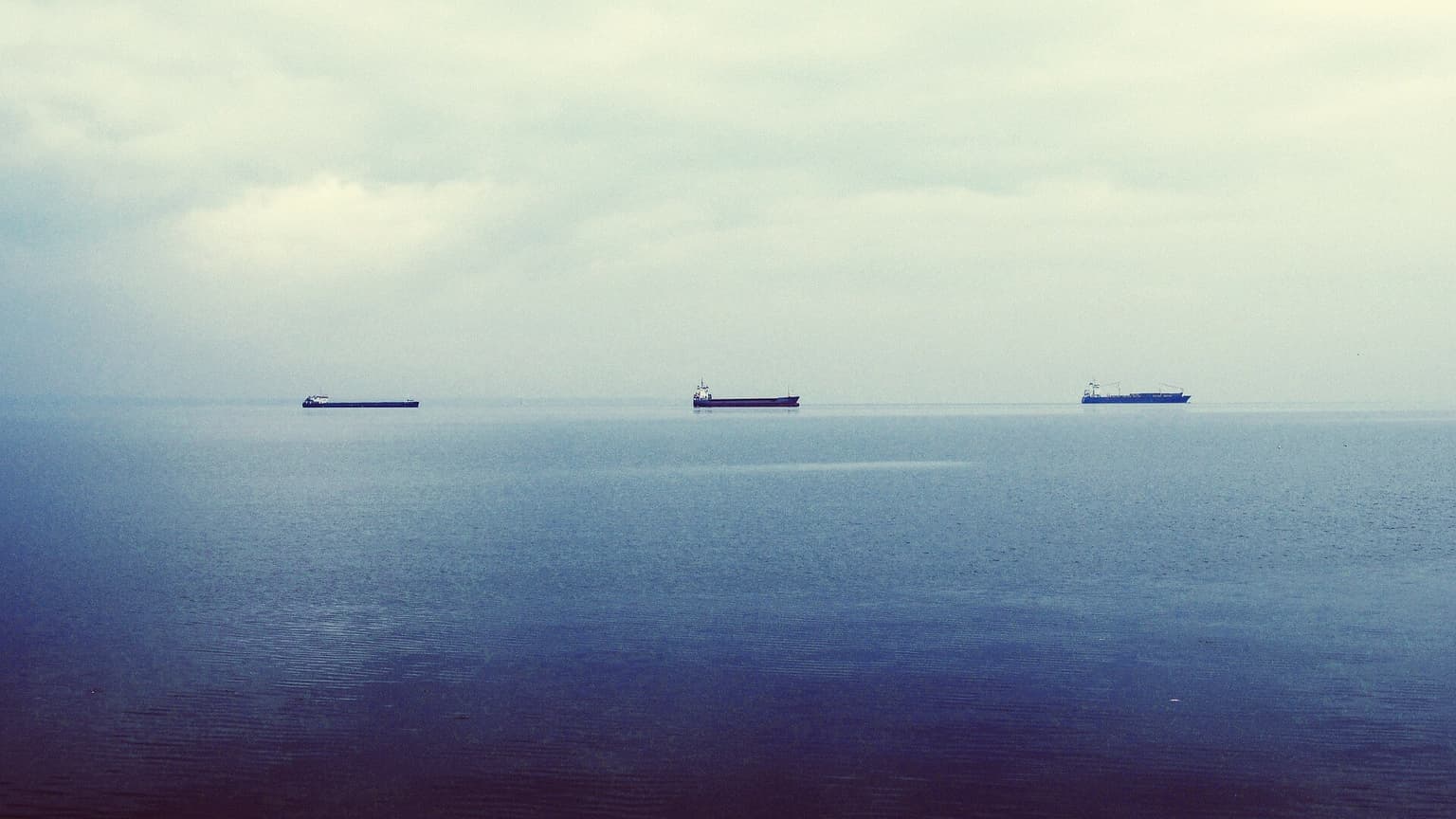
Oil prices are rising sharply today. The increase is partly driven by a Reuters report that complications have emerged in reaching a US-Iran peace deal. Prices were given a further boost by a statement from the US Secretary of State regarding the introduction of tolls in the Strait of Hormuz.
At around 17:45 CEST, North Sea Brent was up about 2.7 percent, trading just below 107.90 dollars a barrel. US light crude West Texas Intermediate (WTI) had gained more than three percent and was above 101.20 dollars a barrel.
Read the full article HERE.
6. New Turkish nuclear unit Akkuyu 2 gets green light to begin commissioning
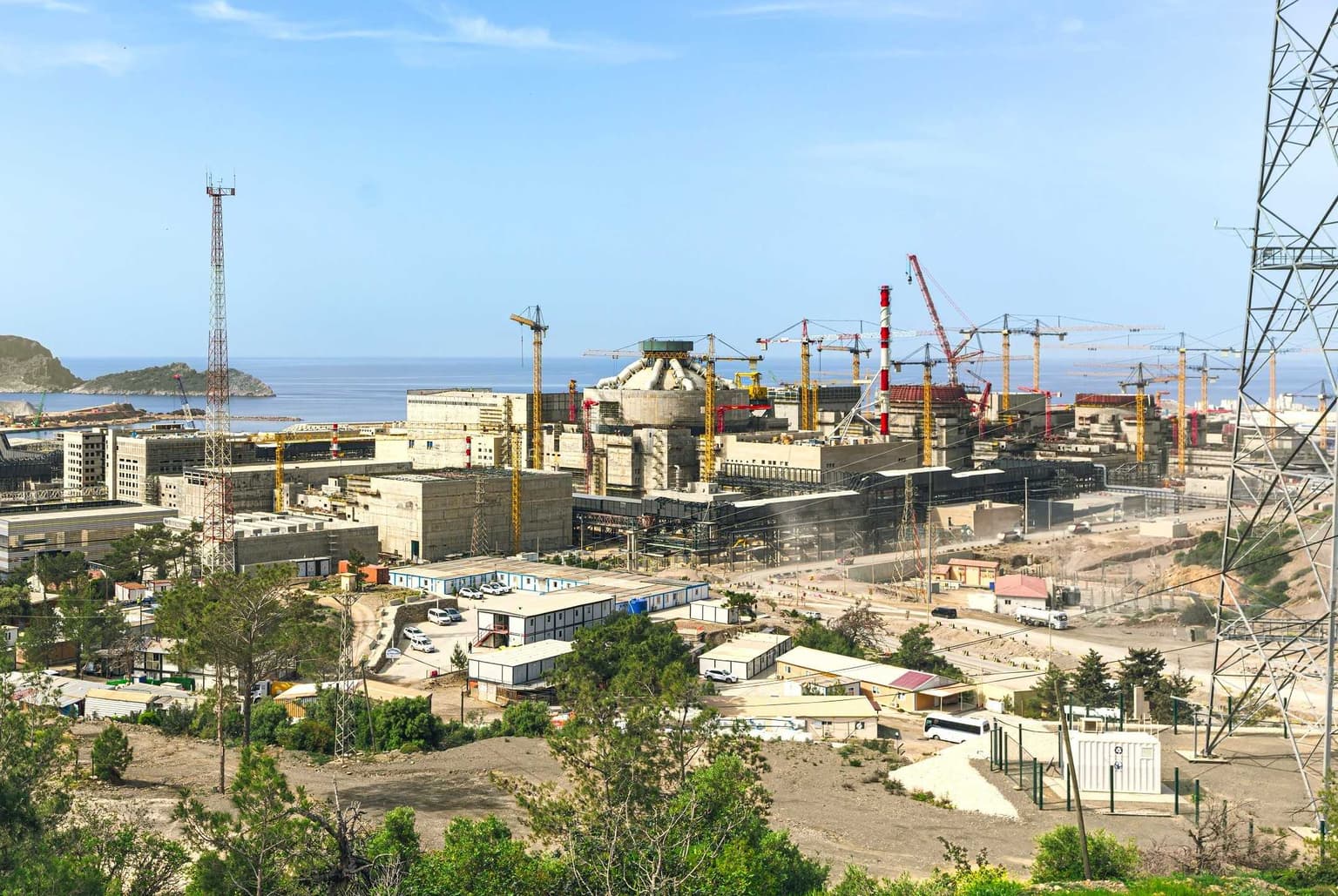
The second VVER-1200 nuclear unit at Turkey’s first nuclear power plant, Akkuyu, has moved closer to commissioning. The nuclear regulator has issued the necessary permit to begin start-up of the unit, which has an installed capacity of 1200 MW (gross). The plant is being built with four Russian nuclear units in total. According to the latest plans, the first is due to enter commercial operation later this year. Once completed, the plant will account for around 10% of Turkey’s electricity generation.
The Turkish nuclear regulator has issued a permit to begin preparatory work for commissioning the new Akkuyu 2 nuclear unit. Construction of the second unit at Turkey’s first nuclear power plant began in April 2020. The unit, with an installed capacity of 1114 MW (net), aims to enter commercial operation next year.
Read the full article HERE.
7. Cernavodă nuclear plant upgrade continues, paving the way for another 30 years of operation
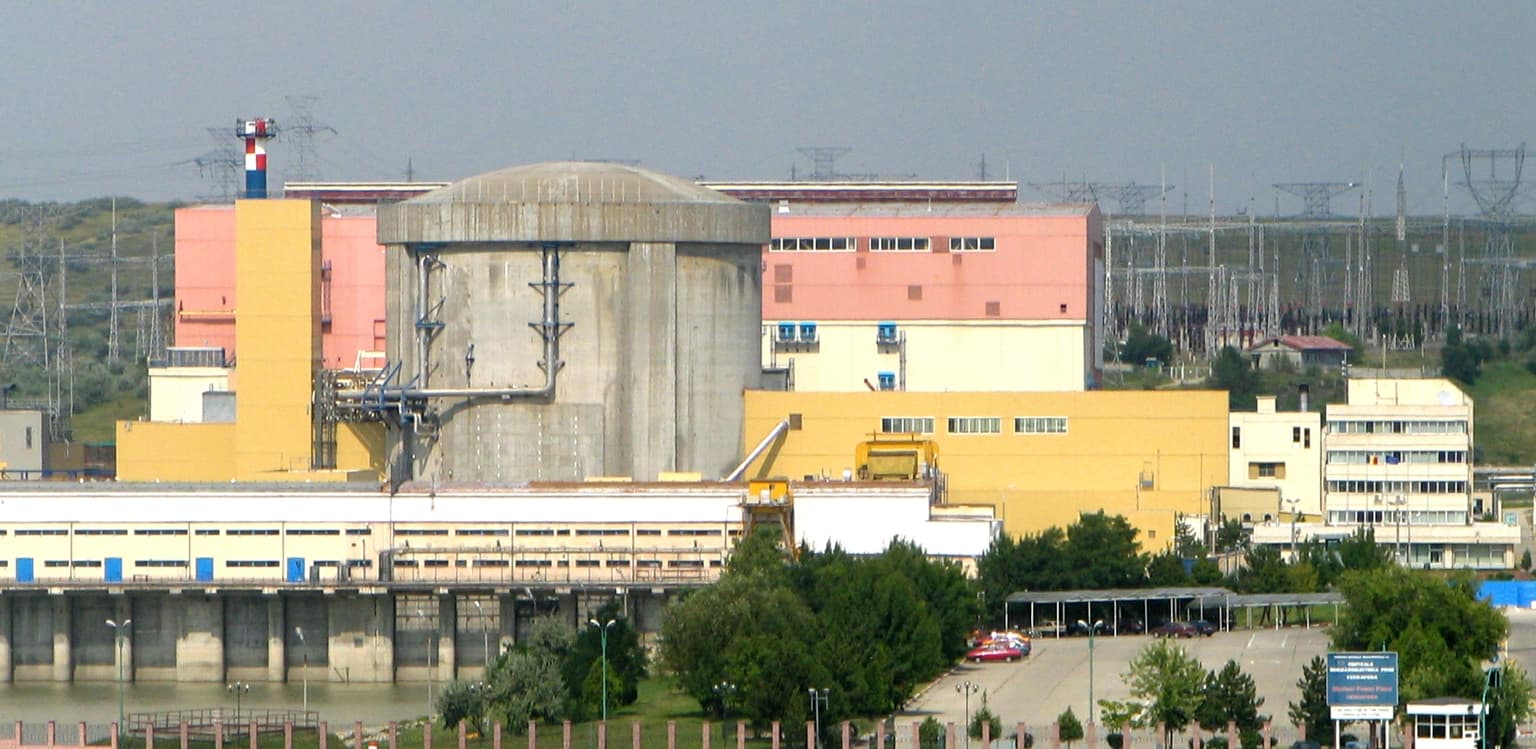
Nuclearelectrica has announced the completion of a key step in the upgrade of Unit 1 at the Cernavodă plant, Romania’s only nuclear power station. The operator has completed the concreting of the foundations for a temporary intermediate-level radioactive waste storage facility, a key part of the infrastructure required for the plant upgrade. The upgrade project began in 2017 and is expected to enter its third and final phase next year.
Romania currently has one nuclear power plant, Cernavodă, with two CANDU 6 pressurised heavy-water reactors. With an installed capacity of over 700 MWe each, they provide around 20% of the country’s electricity generation. The original 30-year operating licence for Unit 1 expires next year, so Nuclearelectrica has been working on its upgrade for several years. The upgrade is expected to extend the plant’s operation by another 30 years.
Read the full article HERE.
8. Anaerobic digestion in practice: Ireland shows how biomethane can support sustainable energy
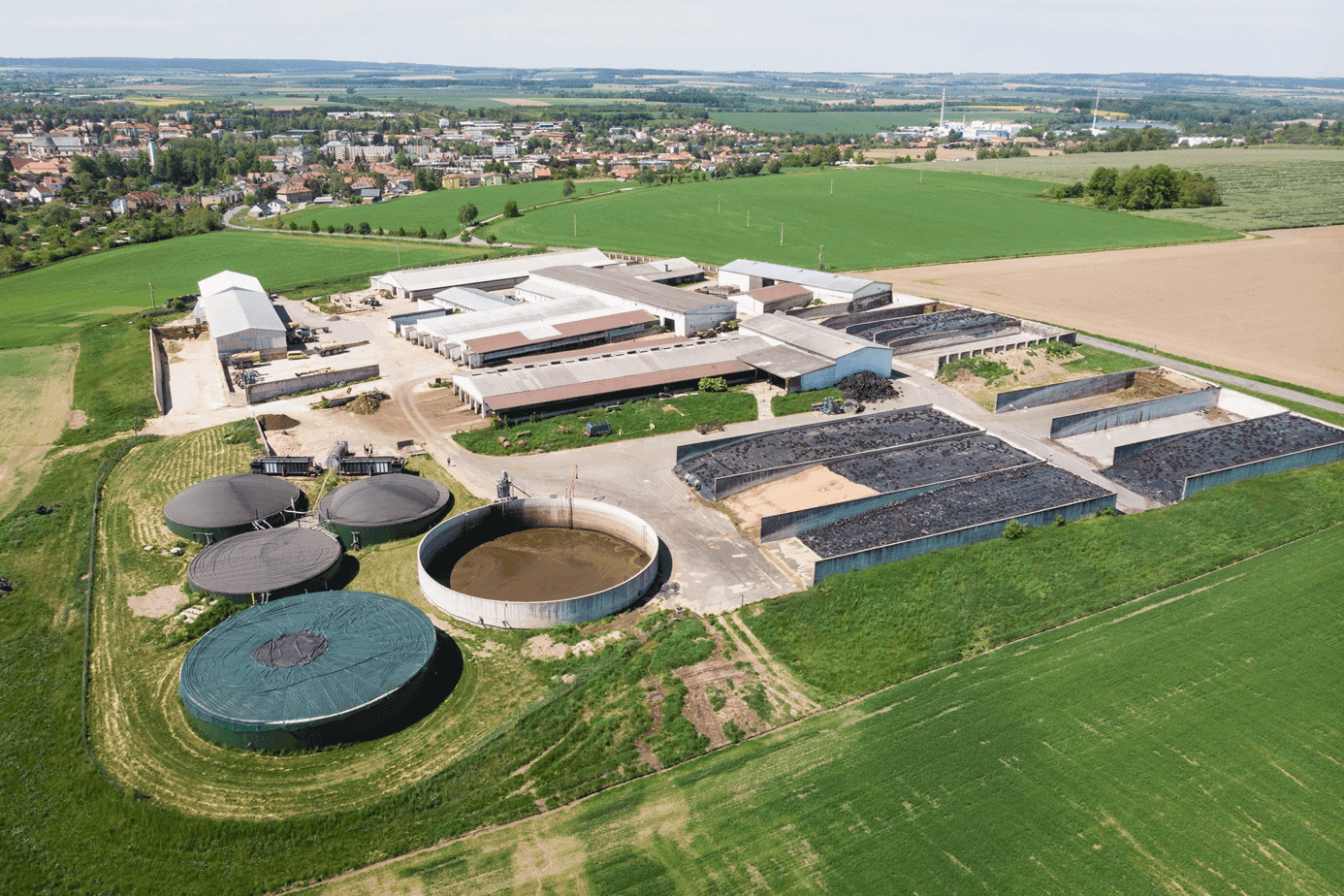
Irish gas company Gas Networks Ireland has joined forces with Stream BioEnergy. Together, they will build a new biomethane plant in County Cork that will connect directly to the national gas network. The 80 million euro investment is Ireland’s largest project of its kind to date and represents a major shift towards a circular economy.
The project was officially announced at the all-island bioeconomy summit at the Johnstown Estate in County Meath. According to Karen Doyle, Gas Networks Ireland’s head of business development, biomethane plays a key role in the transition to low-carbon energy while also providing an effective solution for managing organic waste.
Read the full article HERE.
9. Slovakia strengthens its position as an electricity exporter as generation outpaces consumption
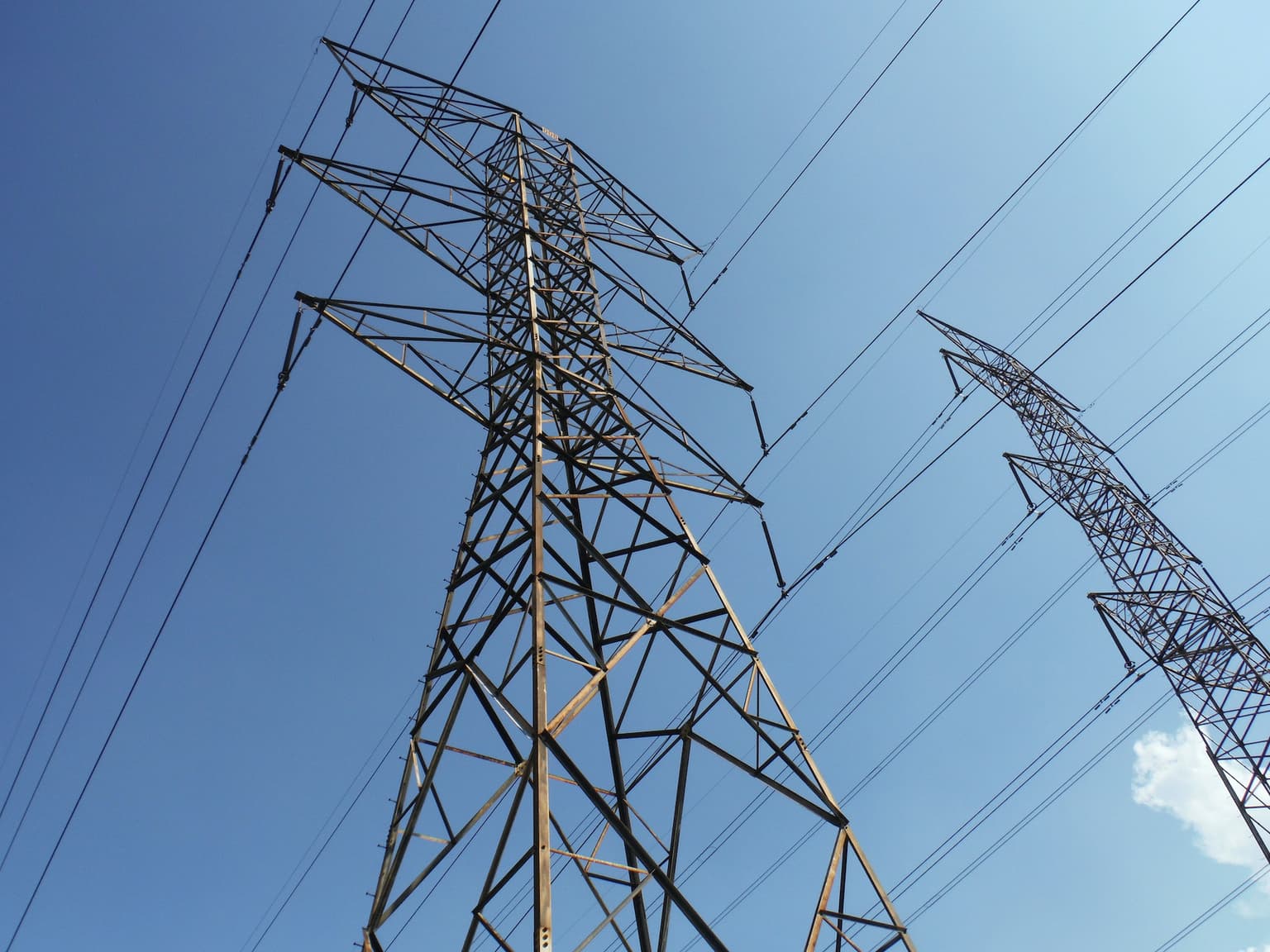
Bratislava, 21 May (ČTK correspondent) – Slovakia significantly increased its net electricity exports in the first quarter of this year. Electricity generation in the country grew faster than consumption compared with the same period last year. This is according to data from transmission system operator SEPS.
Net electricity exports from Slovakia rose by 55 percent year on year to 719 gigawatt-hours between the beginning of January and the end of March this year.
Read the full article HERE.
10. New Dukovany reactors comply with Euratom, EDU II says
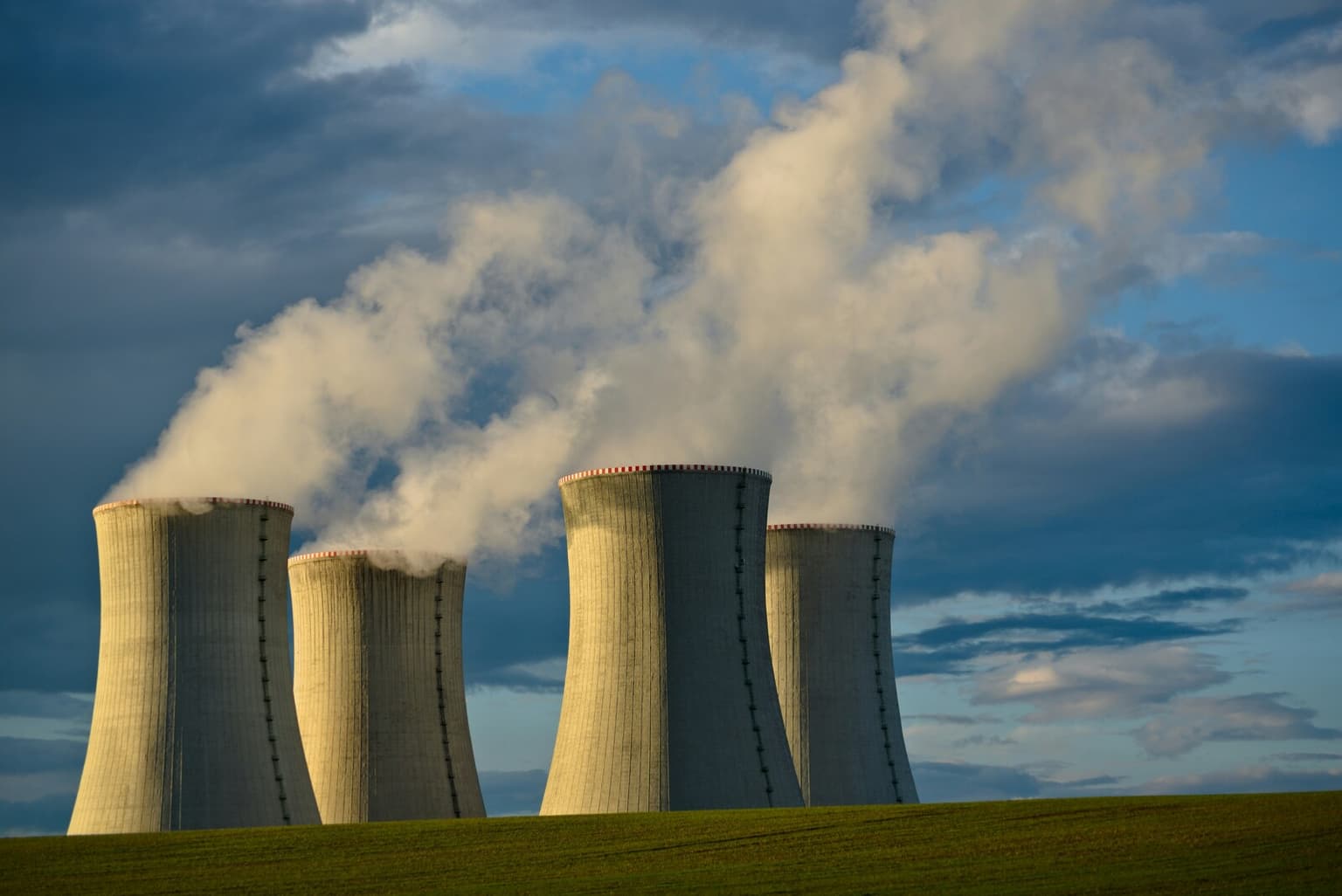
According to the European Commission’s opinion, investment in the construction of two new nuclear reactors near Dukovany is consistent with the objectives of the Euratom Treaty. Alice Horáková, spokesperson for Elektrárna Dukovany II (EDU II), the project’s investor, told the Czech News Agency (ČTK) today. Although the opinion is non-binding, the spokesperson said, it carries significant political weight and is taken into account in further proceedings. The new units will be built by South Korea’s KHNP.
"We welcome the European Commission’s positive opinion on our project. It is another important piece in the complex puzzle of the various permits, opinions and statements that the new units must obtain," said Jiří Füzér, head of quality and safety at EDU II, in a statement.
Read the full article HERE.
Opinion
How many cars could run on power from the new Dukovany units?
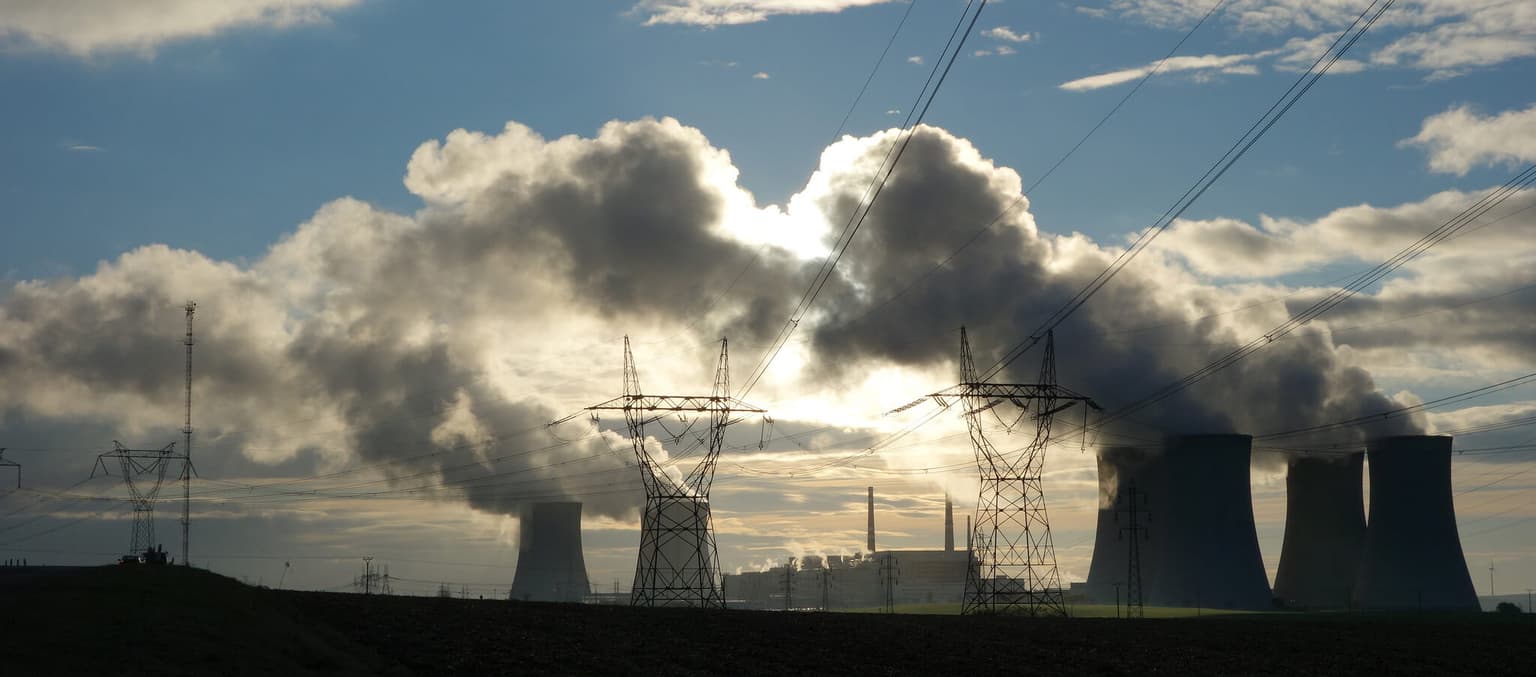
Czech society has a very positive attitude towards nuclear power. The same is not entirely true of electric mobility, so let’s take a look at how many vehicles could theoretically be powered by the new Dukovany units under construction.
The previous article about wind farms sparked a heated debate. Two topics came up frequently in the comments. One was the intermittency of wind power, which generates electricity depending on the weather. The other was the frequent comparison of wind power with nuclear power, along with requests that I instead compare transport consumption with nuclear generation.
Read the full article HERE.
Energostat: electricity generation in the Czech Republic
Energostat: electricity generation in Germany
Find more up-to-date charts and data on Energostat
Translation disclaimer
This article is a machine translation of the Czech original and has not yet been fully reviewed. In case of any doubt, please refer to the Czech version.