This week, we once again bring you a carefully selected list of the ten most important articles published on oEnergetice.cz. If you missed any of them, here is a selection of the articles that attracted the most interest from our readers. Good luck in the new week!
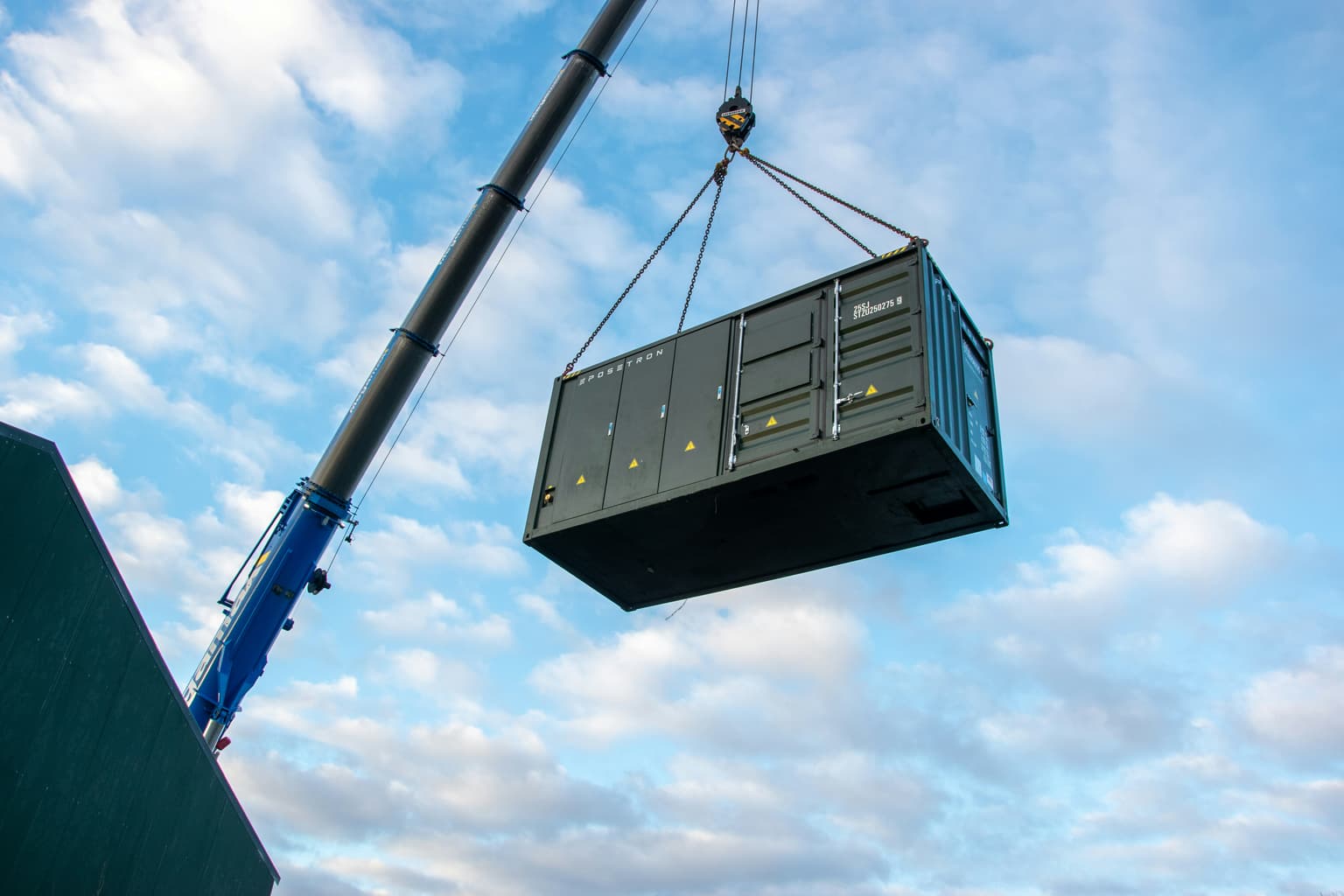
German battery storage manufacturer Sonnen GmbH filed for insolvency just two months after investor Tiven acquired it from energy giant Shell. The company, which was among the pioneers of home battery storage and aggregating these systems into virtual power plants, was struggling with a sharp drop in revenue, heavy losses and growing competition from Asian manufacturers. Czech utility ČEZ was one of its first investors. However, it sold its stake back in 2019, when Shell acquired Sonnen.
From home battery maker to virtual power plant
Sonnen was founded in 2010 in Wildpoldsried, Bavaria. Its founders were Christoph Ostermann and Torsten Stiefenhofer. Initially, it focused primarily on developing and manufacturing battery storage systems for homes with solar power plants. Sonnen bought battery cells from external suppliers and assembled them into storage systems at its own facilities. These systems allowed solar panel owners to store surplus electricity and use it when their power plants were not generating electricity.
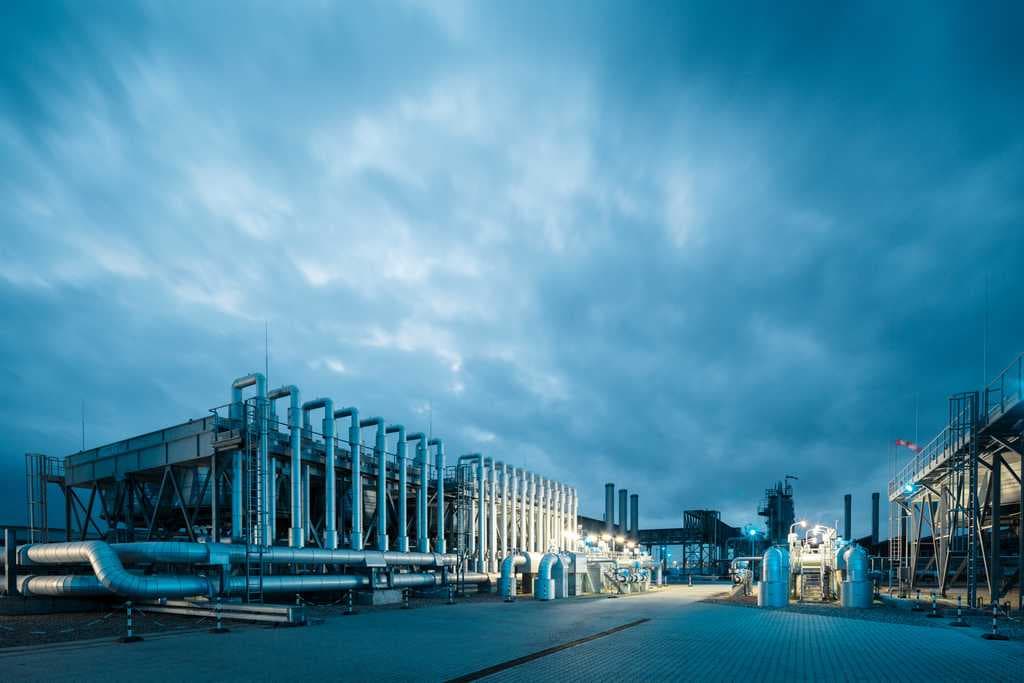
EU gas storage facilities are less than 75% full and will not be significantly replenished from November onward. Historical data shows that their fill level can fall to around a quarter of capacity after winter. This year, however, conditions are complicated by low stocks after last winter, a disruption to LNG supplies from Qatar and the blockade of the Strait of Hormuz. All these factors, as well as average winter temperatures, will affect storage levels at the end of winter.
Gas storage facilities in the European Union reached their highest fill level this year on October 27, when they were 74.96% full. On the same day last year, the figure was 82.86%, or around 8 percentage points higher. As of November 1, when storage facilities usually begin to be gradually emptied, 74.56% remained.
Newly connected battery storage capacity is growing rapidly in both Germany and Czechia. In Germany, additions rose 91% year on year over the first nine months, while in Czechia they were up 83% in the first half of the year. Large-scale systems account for half of the additions in both countries. The German Solar Industry Association warns, however, that growth will slow without changes to permitting and grid connection processes. Analysts also caution that as more batteries enter the market, investor returns may fall.
The German Solar Industry Association BSW-Solar reports that battery storage expansion has gathered pace. More than 2 gigawatt-hours (GWh) of new capacity was added in the first quarter of this year alone, an increase of around 67% year on year. More than half a million new battery storage systems were commissioned in the first nine months of the year. A rough calculation puts the number at 1,800 newly connected systems per day.
The United States proposed resuming Russian gas deliveries to Europe via a pipeline through Ukraine during talks in Moscow and Kyiv in September. The Wall Street Journal reported this today, citing several unnamed sources in the United States, Ukraine and other European countries. Under the proposal, sales would be handled by US intermediaries. Moscow says a plan to resume gas sales to the EU is currently unfeasible.
Ukraine has not allowed Russian gas deliveries to EU countries through its territory since last year. Hungary and Slovakia, however, continue to receive Russian gas via the TurkStream pipeline. Current EU legislation, adopted after the start of the war in Ukraine, envisages an end to Russian pipeline gas deliveries in the second half of next year.
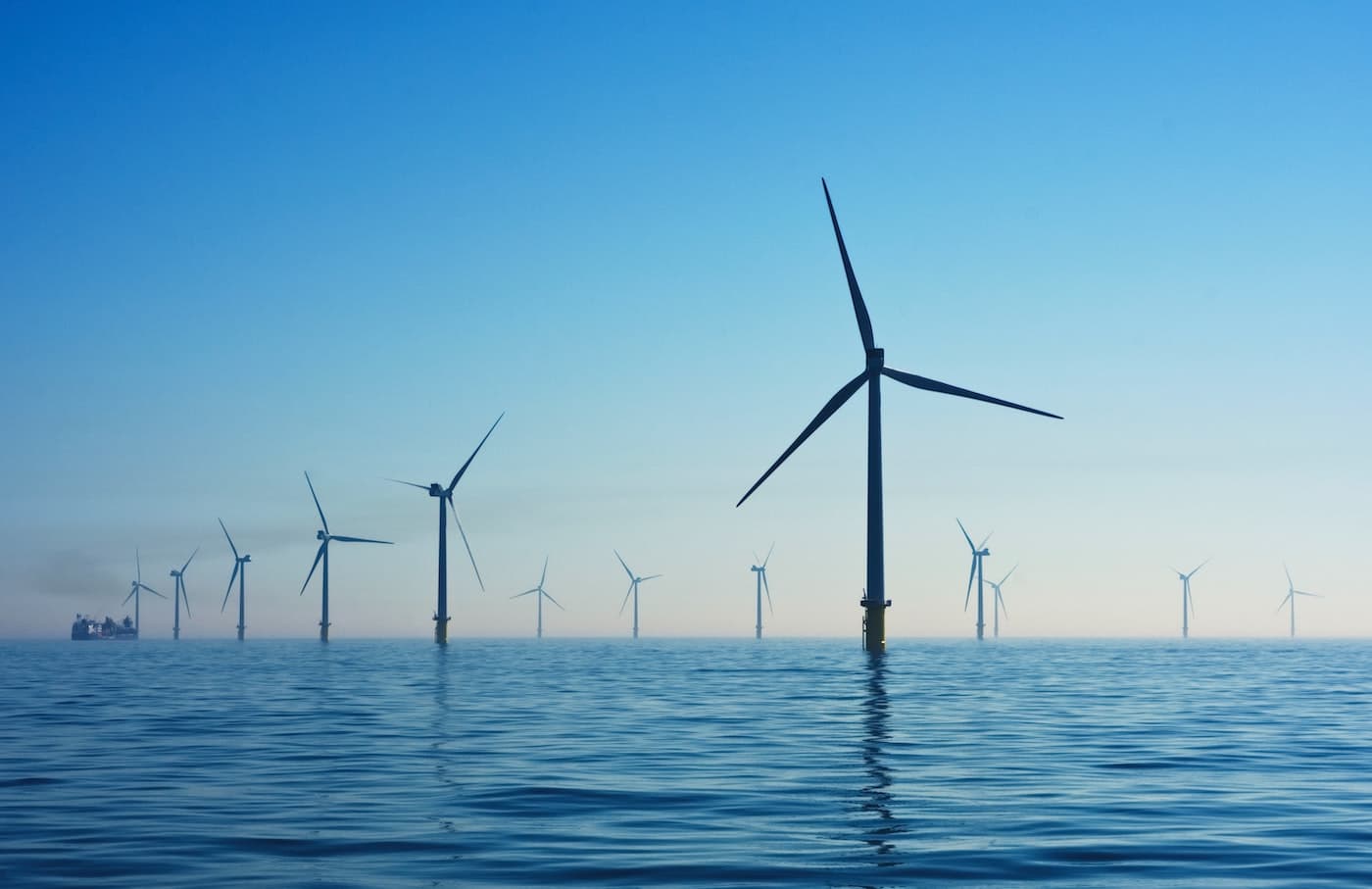
Eight of the 16 state premiers are calling on Federal Minister for Economic Affairs and Energy Katherina Reiche to amend the proposed revision of the Offshore Wind Energy Act (WindSeeG). They oppose a two-stage auction model under which contracts for difference would only be offered if an auction round without state backing fails. They say the current draft of the law will lead to a further slowdown in construction, potentially putting as many as 23,000 jobs at risk.
Eight of the 16 state premiers, from across the political spectrum, have signed the letter. They include the leaders of all the coastal states, as well as the industrial hubs of Bavaria and Baden-Württemberg in the south.
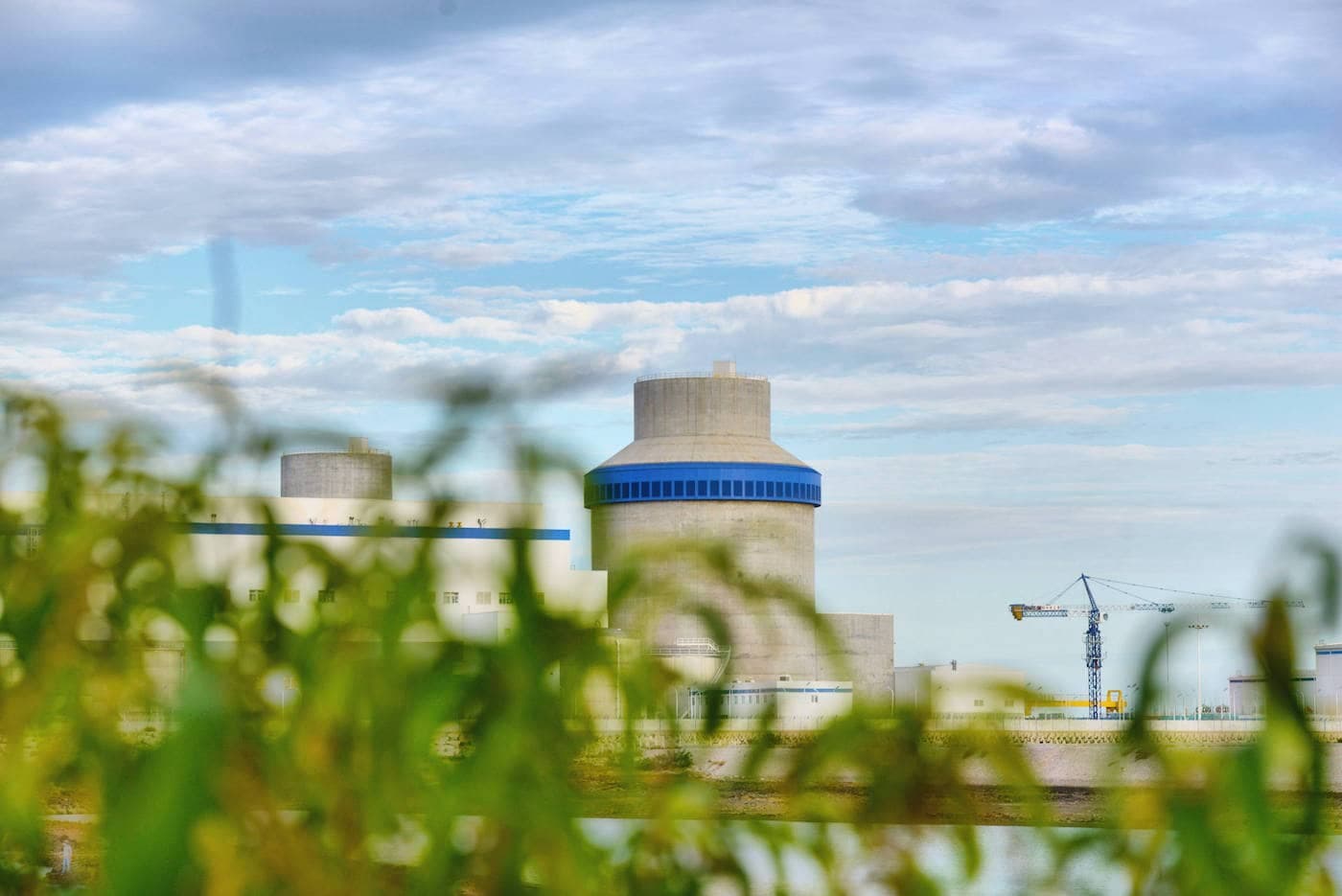
US nuclear energy company Westinghouse Electric Company has commissioned Plzeň-based engineering firm Škoda JS to manufacture test samples of AP1000 reactor internals and a reactor pressure vessel head. The aim is to assess the Czech company’s manufacturing capabilities; it is part of the ČEZ Group. Škoda JS will work on the contract for around two years. If it succeeds in this preparatory phase, it could become part of Westinghouse’s supply chain and contribute to AP1000 projects in Europe and worldwide, Škoda JS spokesman Karel Samec told the Czech News Agency.
Škoda JS and the US company began negotiating the contract after the Plzeň engineering works obtained US ASME certification this spring, one of the most demanding certifications in the nuclear industry. It was the first manufacturing company in Central and Eastern Europe to receive it. According to Škoda JS CEO Karel Bednář, obtaining certification to manufacture primary components for nuclear power plants was a far-sighted step. “As a result, leading companies in our field are now approaching us, especially final EPC contractors (turnkey construction contractors). They are offering us a role in their international supply chains,” he said.
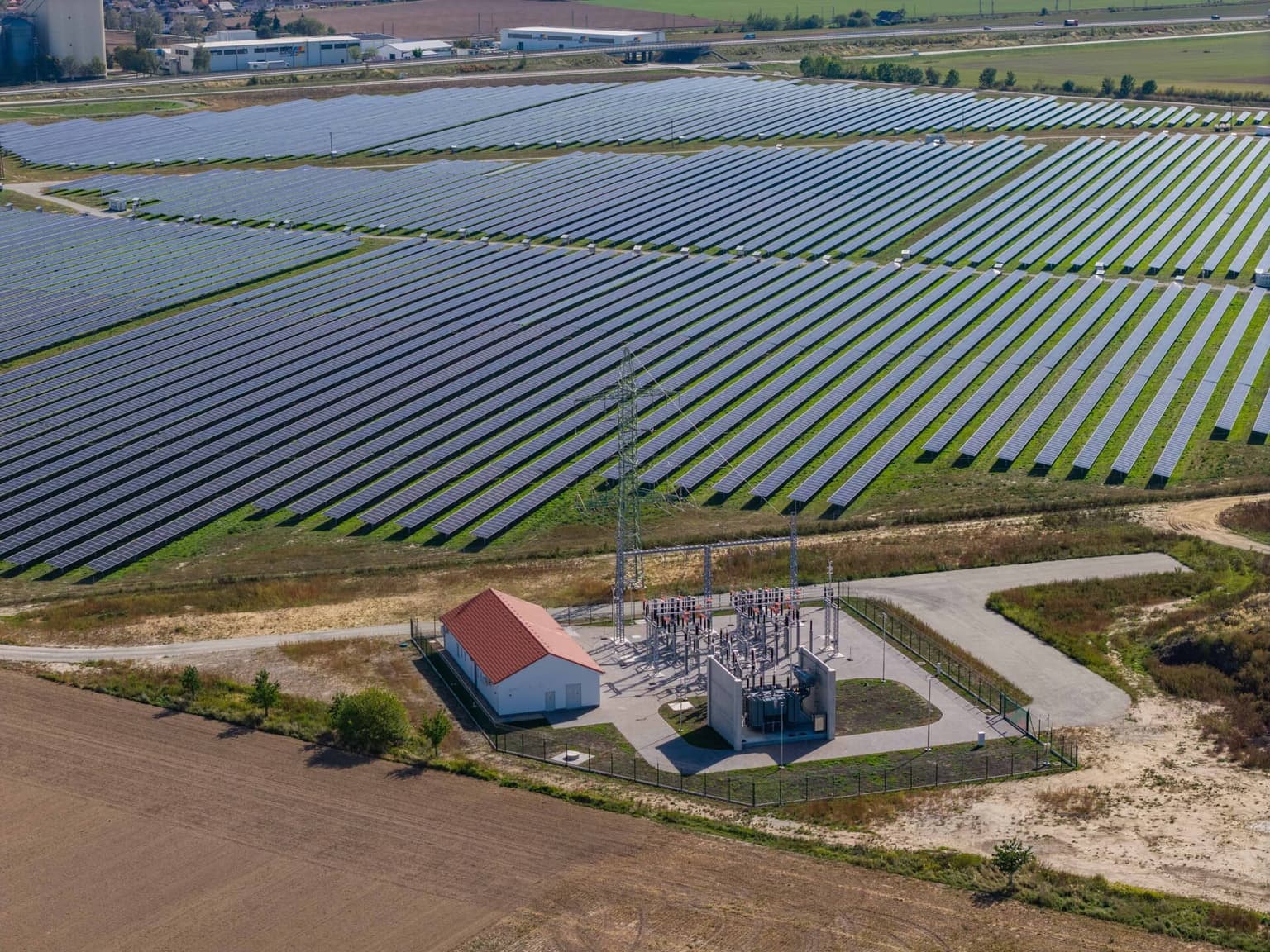
Enery has been making headlines in the Czech Republic recently. It has launched the unique 37 MWp Stella power plant in Dynín and secured a new project: a 27 MWp solar power plant with a 20-year PPA already signed with an industrial customer. We spoke with Jan Srna, who helps connect Enery with customers interested in renewable electricity supplied through PPAs, about the current state of large-scale solar parks, their bankability and where he sees the greatest potential for renewables in the Czech Republic.
Construction of large-scale solar parks in the Czech Republic is progressing much more slowly than in many neighbouring countries. While new power plants with capacities ranging from tens to hundreds of megawatts are being built in Germany, Poland and Romania, similar projects in Czechia have been the exception in recent years. Enery is one of the companies managing to develop large solar parks despite this. It recently commissioned the Stella power plant in South Bohemia and is preparing to build another project with a capacity of 27 MWp.
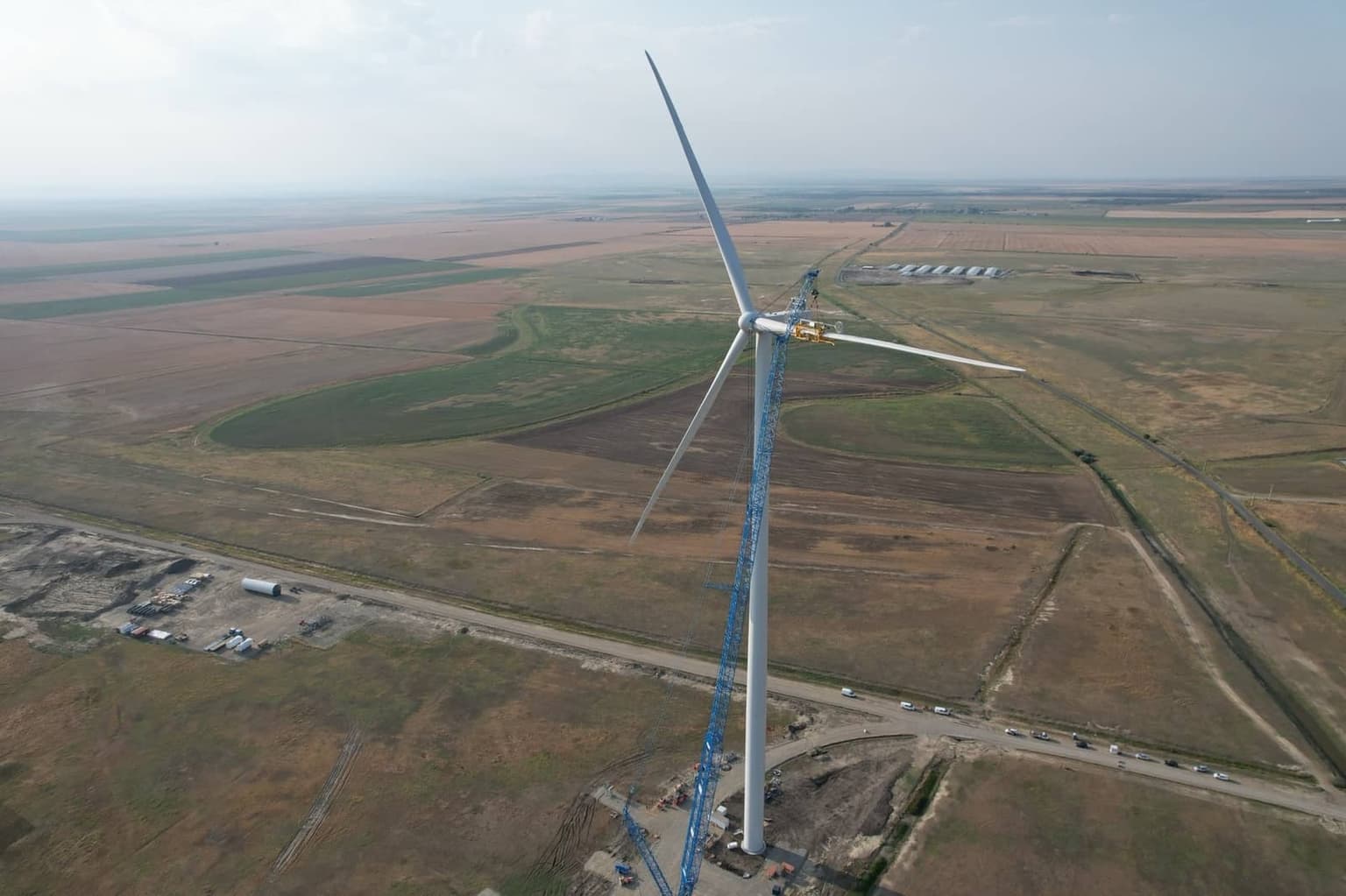
Wind power in the Czech Republic is at a standstill. Its development is held back by lengthy permitting processes and local concerns. A representative of developer and investment group JRD, which also operates a wind farm in Václavice, explains how to find common ground with municipalities, counter disinformation and advance the green energy transition.
Neighbouring Poland is building wind farms at a solid pace, but no comparable power source has been built in Czechia since the Václavice wind farm in the Liberec Region. Václavice has 13 wind turbines with a combined capacity of 26 megawatts, generating enough energy for around 21,000 households. In an interview with Ekonews, Marek Lang of Czech group JRD, which works in sustainable development and renewable energy construction, describes the experience of operating the wind farm, new projects and the obstacles his company faces.
The United Kingdom has approved construction of a 2-gigawatt undersea power cable linking Suffolk in eastern England with Kent in the southeast, the British government announced on Friday. Construction of the 138-kilometre Sea Link interconnector is expected to begin early next year.
According to the UK Department for Energy Security and Net Zero, the project will strengthen the country’s energy security, make the electricity grid more resilient and reduce power transmission losses, helping to lower costs. The project is being developed by National Grid. The undersea cable will be manufactured by Japan’s Sumitomo Electric at its factory in the port of Nigg in Scotland, which required an investment of 350 million pounds to build.
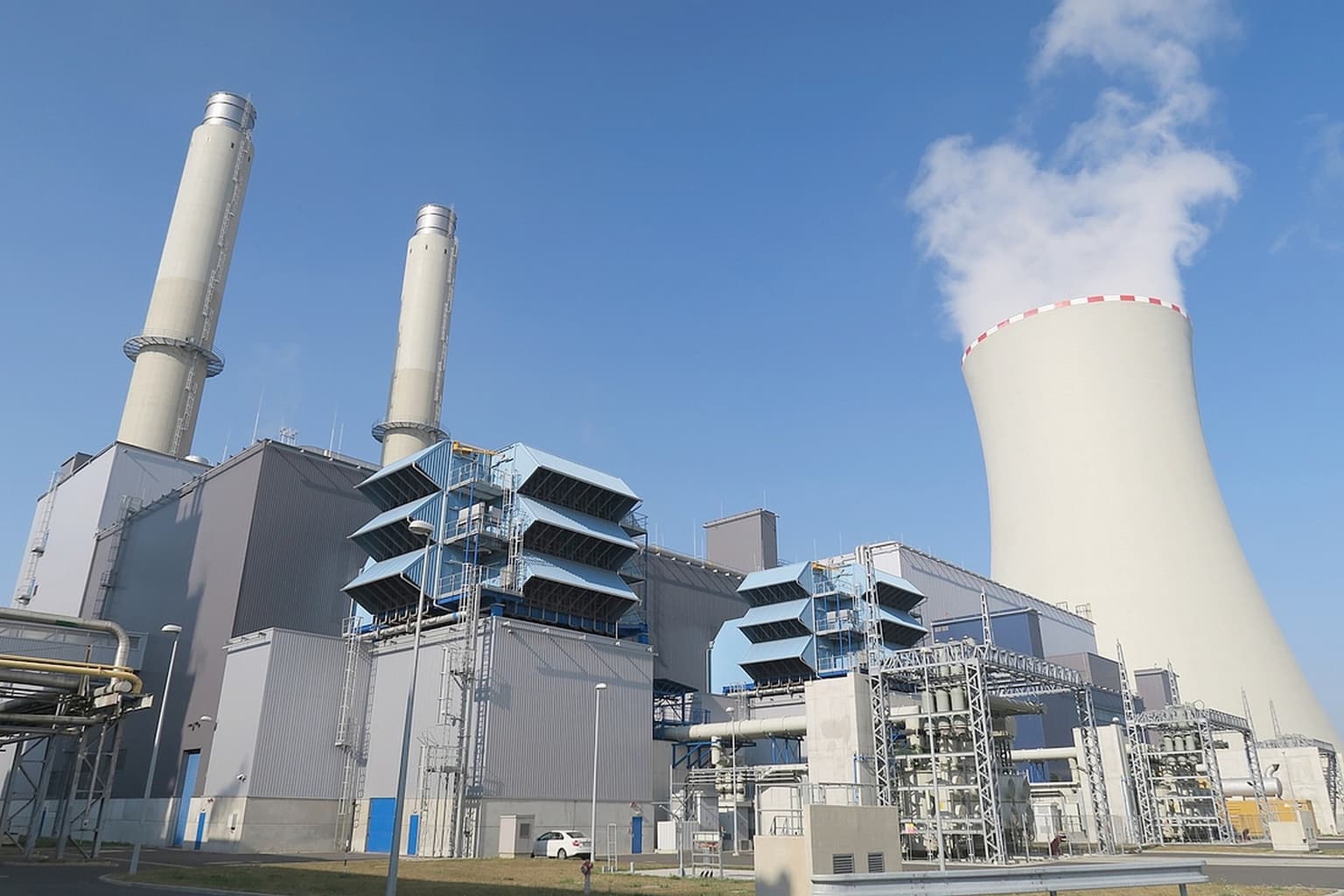
Romanian state-owned natural gas producer Romgaz is completing construction of the 430 MW Iernut combined-cycle gas-fired power plant. The new facility is expected to be synchronized with Romania’s electricity grid no later than the first quarter of 2027 and enter commercial operation by the end of the first half of the year. Its launch comes as Romania faces the loss of a significant share of its nuclear generation and needs to make its power system more flexible.
Project completion scheduled for 2027
The Ministry of Energy presented the latest timetable after reviewing construction progress. Synchronization of the power plant with the grid is scheduled for no later than the first quarter of 2027, while commercial operation is expected to begin by the end of June that year. Preparatory work for pre-synchronization testing is already underway. The project is being carried out by state-owned Romgaz, which is acting as the general contractor. General Electric is also involved at the construction site. The ministry said progress to date provides “solid grounds” for expecting the project to meet its schedule.
The agreed schedule for the construction of new nuclear units at Dukovany, including the start of construction in 2029, remains unchanged. The South Korean company KHNP said this today in response to a question from the Czech News Agency. Following the recent collapse of talks with a Korean consortium on a construction contract, KHNP is now drawing up an alternative plan for selecting a new construction contractor. The company also assured that work on key parts of the project would continue during the transition period.
KHNP announced on Thursday that it had ended unsuccessful negotiations with the Korean consortium of Daewoo Engineering & Construction and Doosan Enerbility over a construction contract. KHNP said the reason was differing positions on fundamental terms. Construction of the new nuclear units at Dukovany is expected to be the largest contract in the Czech Republic. At last year’s prices, the cost of building two reactors at Dukovany is 407 billion crowns. According to plans published so far, construction of the first unit was due to begin in 2029, with completion expected in 2036.
The Democrats’ victory in both chambers of Congress will make it harder for Donald Trump to advance his agenda. The new majority may investigate the administration’s deals with energy companies, scrutinize its use of tariff powers or raise questions about oil and gas production. A major shift in US energy policy is unlikely, however. Many key powers remain in the president’s hands, and the Democrats lack the majority needed to override his veto, according to an analysis by S&P Global.
The White House faces hearings and awkward questions
The most visible change after the Democrats take over the majority will be an expanded oversight role for Congress. Democrats will be able to launch their own investigations, hold hearings and demand documents and communications related to the administration’s decisions from both government officials and private companies.
Energostat: electricity generation in the Czech Republic
Data in this chart is also available in 15-minute resolution60min15min
Energostat: electricity generation in Germany
Data in this chart is also available in 15-minute resolution60min15min
Find more up-to-date charts and data on Energostat
Translation disclaimer
This article is a machine translation of the Czech original and has not yet been fully reviewed. In case of any doubt, please refer to the Czech version.