
Small hydropower plants do not have a good reputation in Germany. They do not produce much electricity, but they cause serious damage to rivers and ecosystems. A Bavarian startup now wants to prove that there is another way—with floating turbines.
They are not in their natural habitat just yet. They are three metres long, two and a half metres wide and one metre high, and are sitting on dry land in the workshop of startup Energyminer in Gröbenzell, a suburb of Munich. “We will fit both turbines here later,” says Natalie Rojko, a member of the company’s management team, pointing to the rear section of the plastic structure of one of the five “energy fish”.
Read the full article HERE.
2. China awards contract to build new Xuwei nuclear power plant

Chinese company Suneng Nuclear Power Company (a subsidiary of China National Nuclear Corporation – CNNC) has awarded a contract to build the conventional islands for three units at the new Xuwei nuclear power plant. The winning consortium consists of China Energy Engineering Jiangsu Electric Power Construction No.3 Company and China National Nuclear Huachen Construction Engineering Company.
Read the full article HERE.
3. Spain’s 2025 blackout: How a lack of inertia led to a widespread outage

According to the published findings, only one gas-fired power plant in southern Spain was operating at the critical moment, compared with the five normally running in “reinforced operating mode”. This mode was adopted following previous incidents specifically to improve the stability of the Iberian grid when the share of non-synchronous sources is high. The lack of enough gas-fired or other synchronous sources meant the system did not have the inertia needed to dampen fluctuations.
Read the full article HERE.
4. Battery storage in the US is increasingly profiting from price volatility
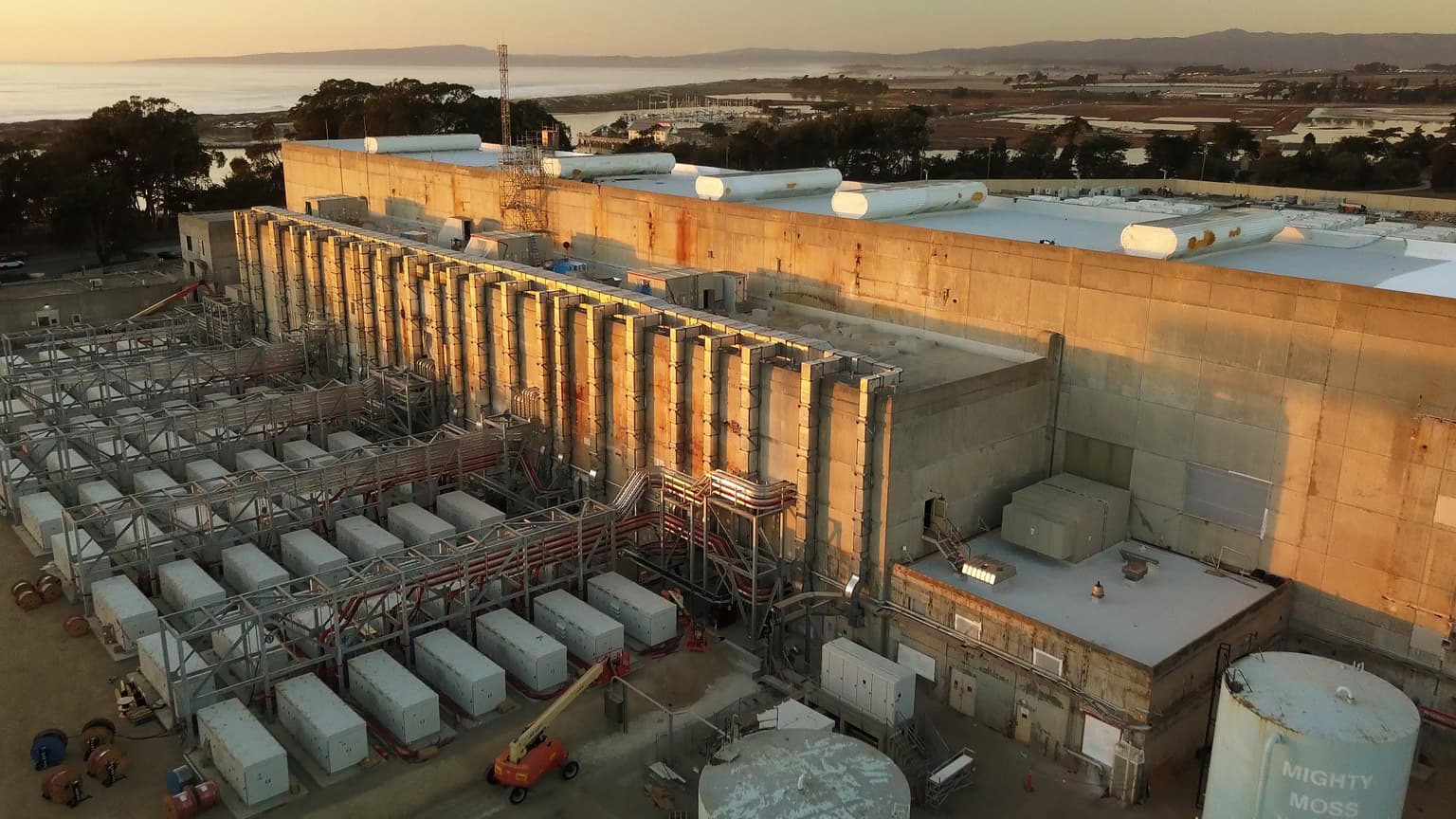
With installed solar and wind capacity growing, and the resulting increase in price volatility on short-term markets, battery storage operators have also been taking advantage of this trend in recent years. In addition to price arbitrage, battery storage can generate revenue by providing balancing services, storing surplus renewable generation, or helping to reduce peak demand on the grid.
Read the full article HERE.
5. Coal could stay in the mix longer thanks to AI development and grid stability needs

According to Energy Secretary Chris Wright, the current US administration expects that most coal-fired power plants in the country will postpone plans to close. One reason is expected to be growing demand for reliable electricity supplies for data centres. The Donald Trump administration has made developing the energy sector and ensuring energy supplies one of its top priorities.
Read the full article HERE.
6. Analysts: Oil prices to fall below USD 60 a barrel by year-end
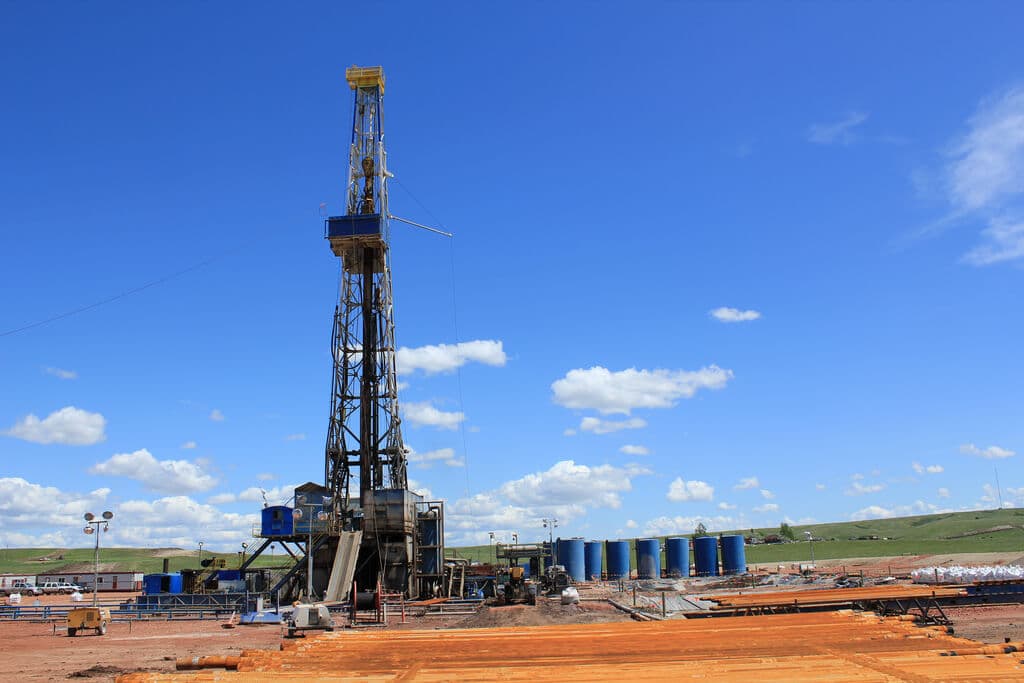
Brent crude is currently trading at around USD 65/bbl and has been falling for several days. The decline has been driven in part by uncertainty surrounding the US government “shutdown” and expectations of higher output from OPEC+.
Read the full article HERE.
7. China pledges to cut emissions as Europe calls for greater ambition

On Wednesday, China pledged at the United Nations General Assembly to cut its total greenhouse gas emissions by 7–10% from their peak level by 2035. President Xi Jinping thus unveiled the country’s most specific near-term commitment to date. China is the world’s largest emitter of climate-changing gases, the Argus Media website reports.
The new target builds on China’s earlier commitments to peak emissions by 2030 and achieve carbon neutrality by 2060. Chinese officials say the country has a track record of not only meeting but exceeding its climate pledges. Beijing also pledged to increase the share of energy from non-fossil sources to 30% of total consumption, raise installed wind and solar capacity to 3600 GW, accelerate the transition to electric vehicles and expand its emissions trading system.
Read the full article HERE.
8. US government to support new coal mining and the modernisation of coal-fired power plants

The initiative is one of a series of measures underscoring the White House’s efforts to roll back climate action and secure a place for coal in the US energy mix. Reuters reported on the US president’s plan. Interior Secretary Doug Burgum announced that large areas in North Dakota, Montana and Wyoming would be opened for coal-mining leases—the total area is more than three times the area made available under earlier Trump-era legislation.
Read the full article HERE.
9. Expert: Back-contact panels will become photovoltaics’ holy grail. Why?

Leading global photovoltaics expert Radovan Kopecek (founder and director of the ISC Konstanz institute, which specialises in the development and testing of photovoltaic cells) will speak at the Smart Energy Forum conference in Prague on 15–16 October 2025. In his presentation, Kopecek will describe the main trends in photovoltaic panels. Ahead of his visit, we asked him several questions about promising PV technologies and the future of photovoltaics.
In 2022, it took 68 years for 1 TW of new photovoltaic systems to be installed worldwide. In 2024, it took just 2 years for installed photovoltaic capacity to double to 2 TW. How do you think the photovoltaic industry will change by 2030?
Read the full article HERE.
10. The Dukovany–Brno heat pipeline secures CZK 10.6 billion from emissions allowance revenues
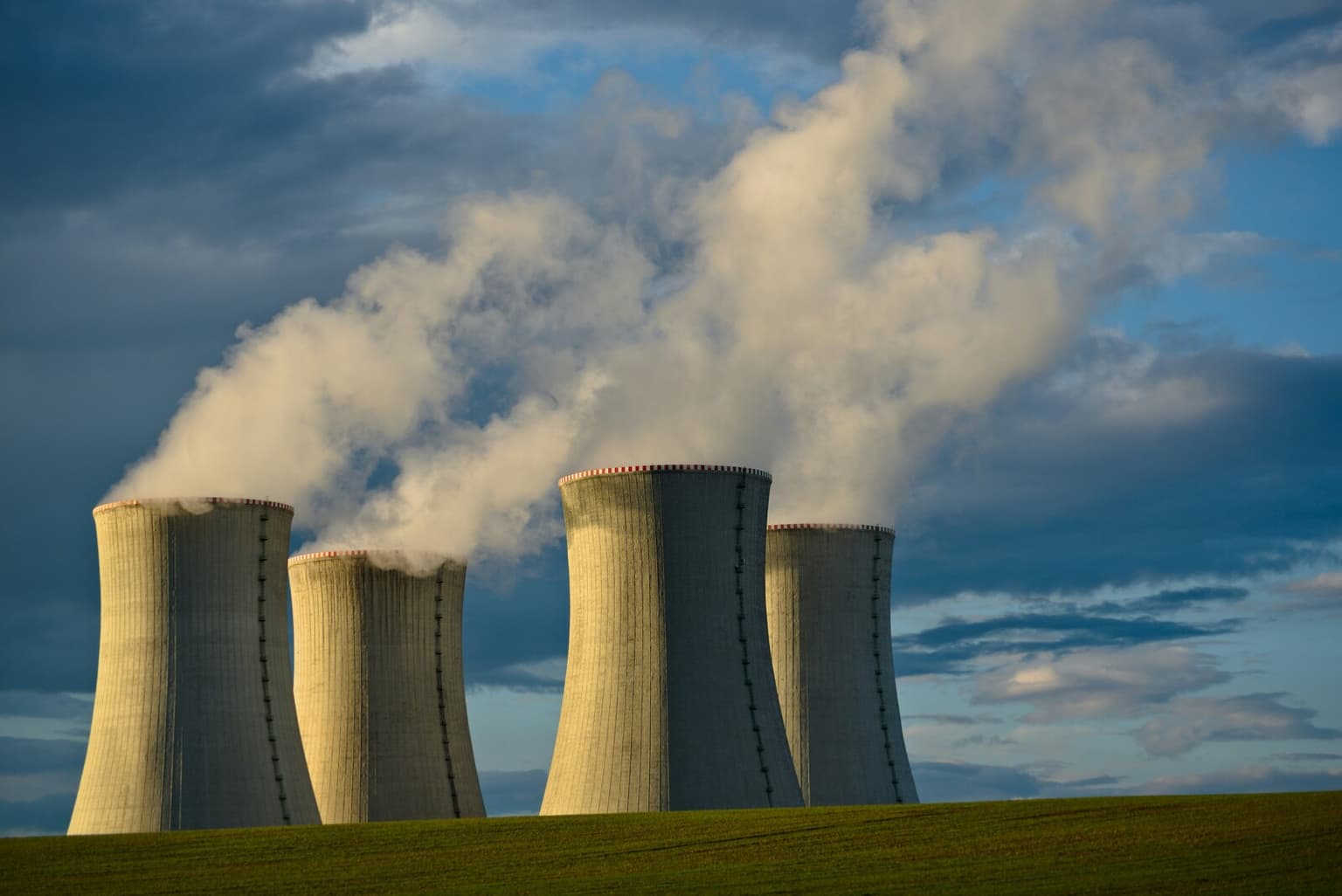
“The heat pipeline will completely transform how energy is used to supply Brno. The new heating method will reduce primary energy consumption by more than 20 percent and greenhouse gas emissions by nearly 60 percent compared with today. That is equivalent to taking 100,000 cars off the road. It makes sense not only economically but also environmentally. The project will make a significant contribution to the decarbonisation of the South Moravian Region,” Hladík said.
Read the full article HERE.
Energostat: electricity generation in Czechia
Energostat: electricity generation in Germany
Find more up-to-date charts and data on Energostat