Top 10 energy stories from the past week
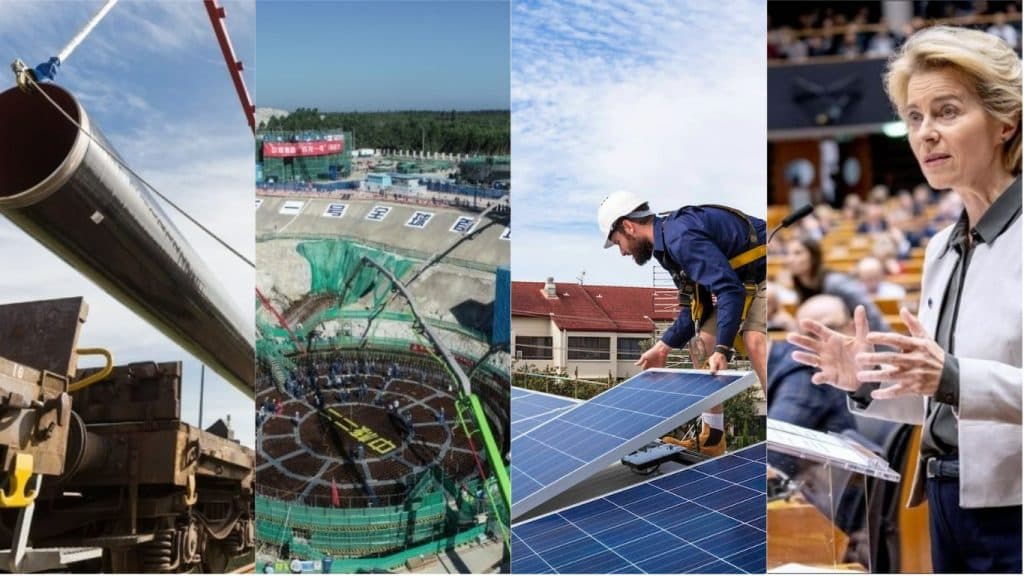
This week, we once again bring you a carefully selected list of the ten most important articles we published on oEnergetice.cz. If you missed any of them, here is a selection of the articles that attracted the most interest from our readers. Good luck in the new week!
1. German government considers restricting priority grid access for renewable electricity
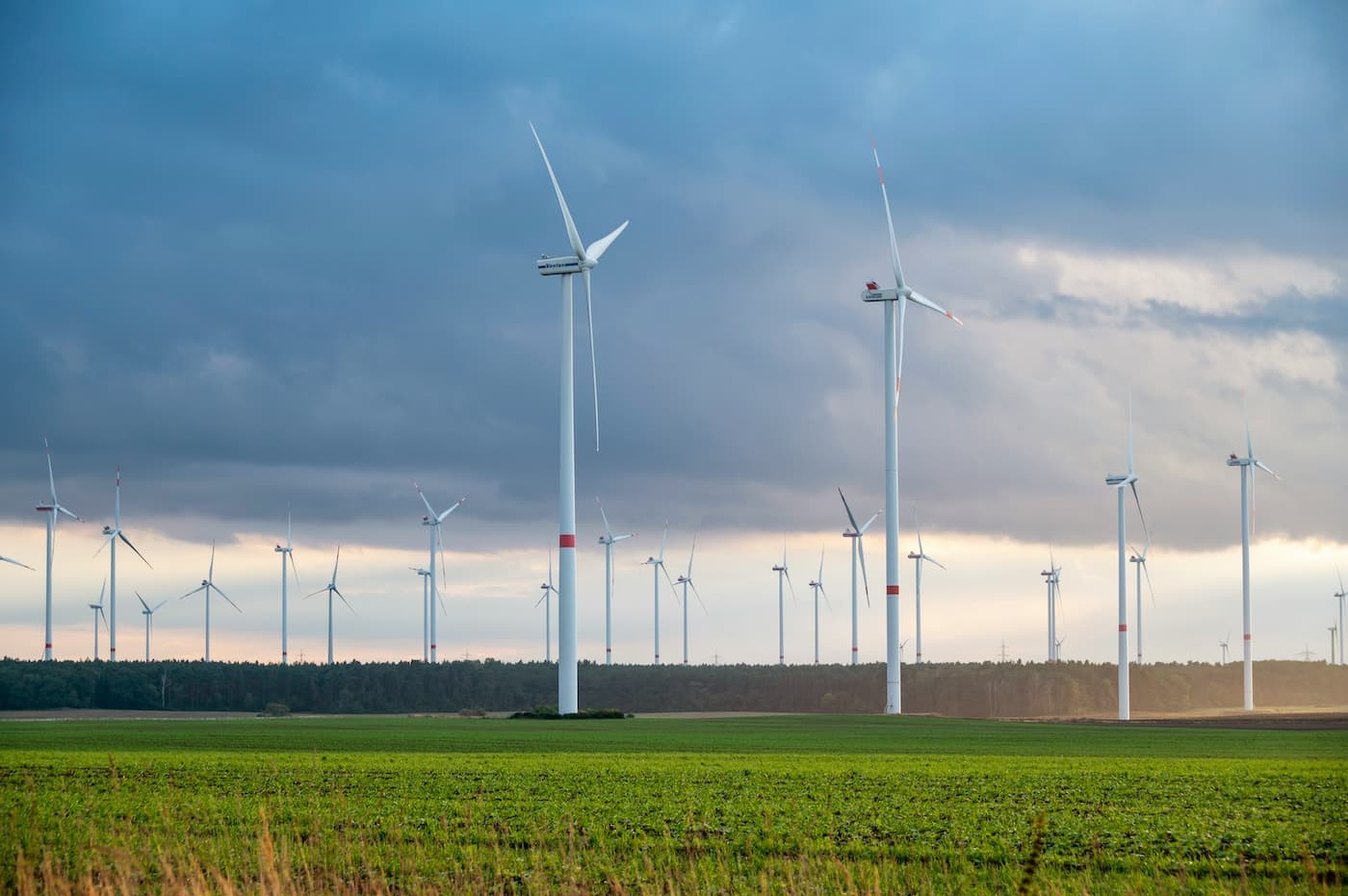
The German government is preparing changes to the rules governing the electricity system that could allow restrictions on renewables’ priority access to the grid. The measures are intended to strengthen grid stability when the rapid growth of wind and solar generation runs up against the technical limits of transmission infrastructure. The plan is controversial: while some experts consider it a pragmatic response to operational realities, critics warn of negative impacts on the investment climate for renewables.
According to Spiegel, Germany’s Ministry for Economic Affairs (BMWK) is preparing changes that would allow transmission system operators to restrict renewable electricity’s priority access to the grid. This principle has long been one of the cornerstones of Germany’s energy transition and has played a key role in the massive expansion of wind and solar power plants in recent years.
Read the full article HERE.
2. Reactor restarted at the world’s largest nuclear power plant in Japan

Japan’s Tokyo Electric Power Company Holdings (TEPCO) restarted a reactor today at the Kashiwazaki-Kariwa nuclear power plant, the world’s largest. News agencies report that the facility, located in Niigata Prefecture northwest of Tokyo, was due to restart for the first time since the 2011 Fukushima nuclear disaster in January, but the restart was halted at the time because of a technical fault.
The plant has seven units, and the restart currently involves only reactor No. 6. The operator had originally expected to begin the restart on 20 January, but technical problems pushed it back by two days. The process was unsuccessful then too: when an alarm sounded, TEPCO had to halt it after several hours. The company said today that it had identified the cause of the problems and resolved it.
Read the full article HERE.
3. Carbon permits at a four-month low: traders fear rules may be relaxed

After the price of carbon allowances climbed above EUR 92 per tonne in mid-January, the trend reversed. In recent weeks, the market has turned around and carbon allowances have fallen sharply. One of the main drivers is uncertainty over a possible relaxation of the EU Emissions Trading System (EU ETS). Recent threats by US President Donald Trump to impose tariffs in connection with the situation around Greenland have also contributed to the decline.
Carbon allowances have long been a subject of debate, particularly because of their impact on the competitiveness of European industry and on household budgets. Since last summer, carbon allowance prices had been rising steadily, once again exceeding EUR 90/t at the start of this year. Allowances last traded at such high levels in 2023, when they briefly reached EUR 100/t.
Read the full article HERE.
4. Turning point: global battery storage capacity surpasses pumped-storage hydropower
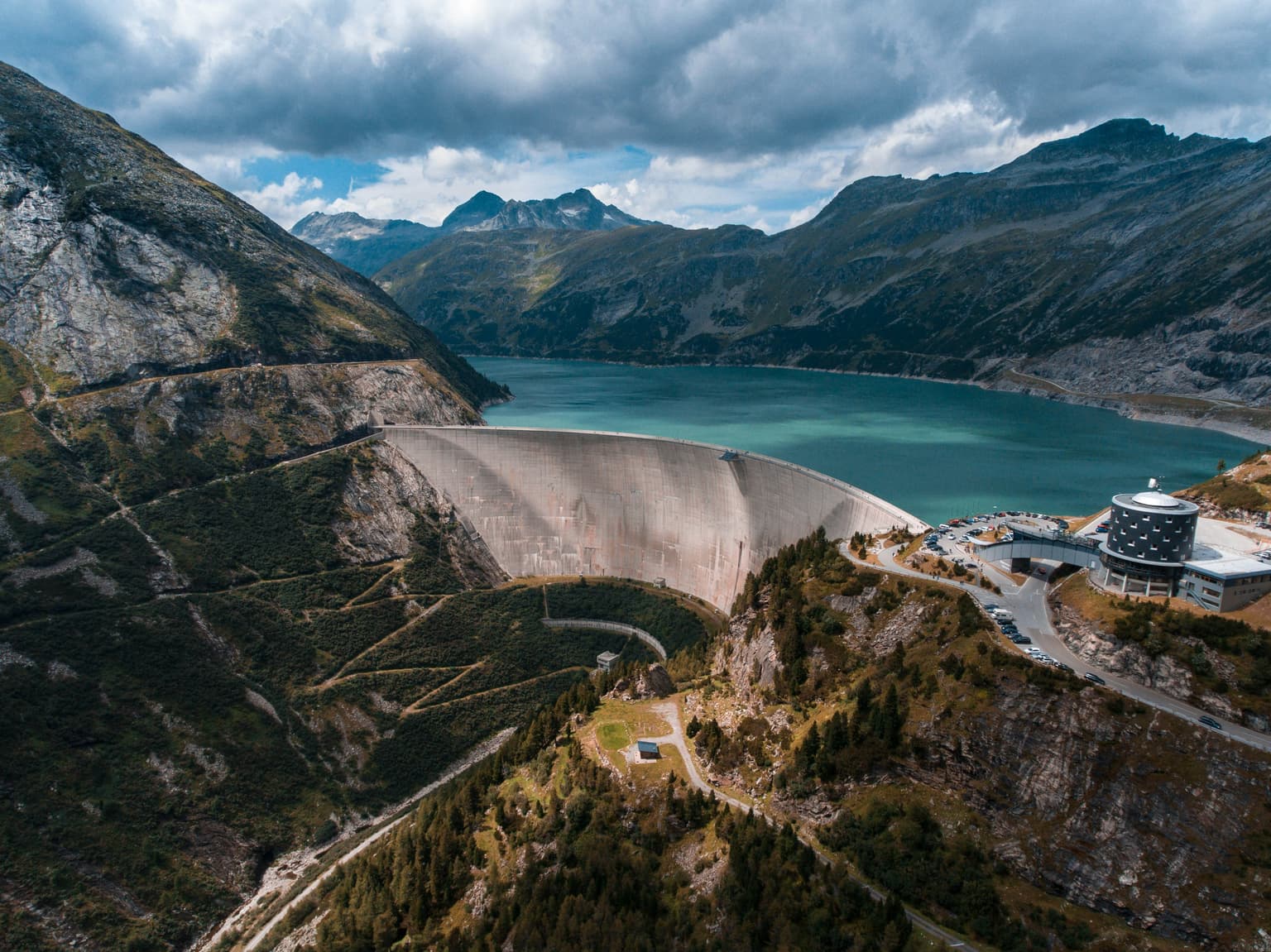
2025 marks an important symbolic turning point in energy storage. According to data from BloombergNEF and the 2025 World Hydropower Outlook published by the International Hydropower Association, global installed battery capacity reached around 257 GW, while the global installed capacity of pumped-storage hydropower (PSH) stood at approximately 202 GW. Battery storage has thus surpassed, in terms of installed capacity, the technology that dominated large-scale storage in electricity systems for decades.
This development is often interpreted as evidence of a rapid technological shift in favour of batteries. From an expert perspective, however, these figures should be treated with some caution. The comparison is based on installed capacity (GW), not storage capacity (GWh), which is crucial for assessing actual energy storage capability.
Read the full article HERE.
5. Space is running out on Germany’s grid. Operators to revise connection rules

Germany’s four transmission system operators will change the rules for connecting new large electricity consumers. Projects with a higher likelihood of completion or greater benefits for the grid will now be given the opportunity to connect. The international outlet Clean Energy Wire reported.
Competition among projects seeking to connect to Germany’s transmission grid is intensifying as plans for data centres, large heat pumps, industrial electrification and electric vehicle charging infrastructure expand. Industry representatives say that the process of connecting new power plants routinely takes up to seven years.
Read the full article HERE.
6. Bavarian geothermal power plant to supply heat to an entire municipality
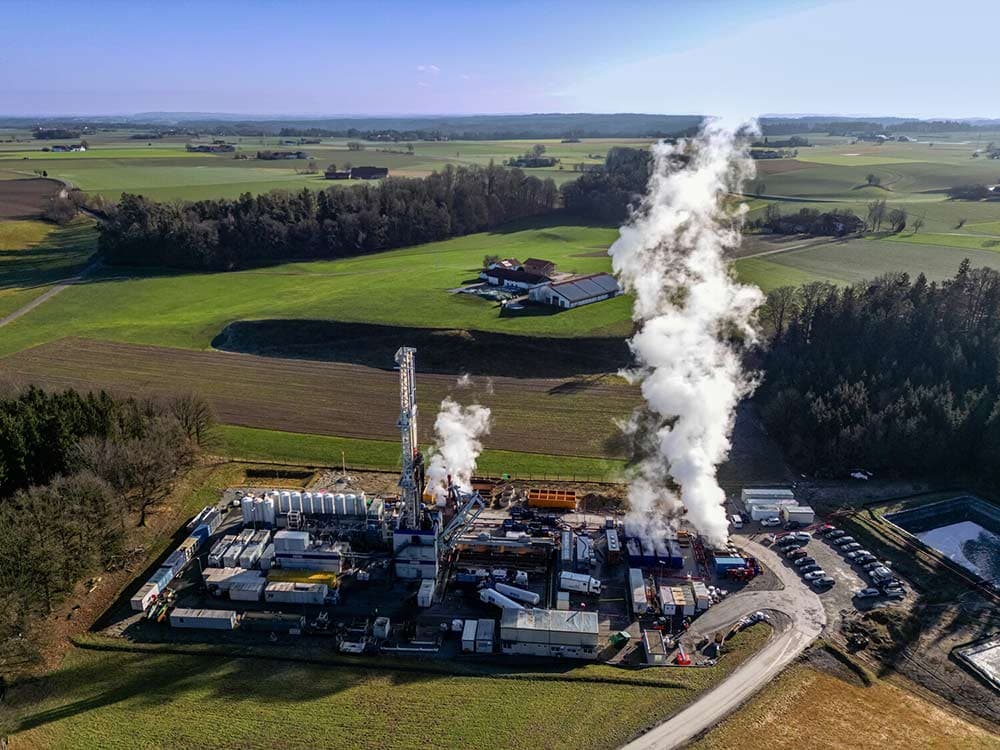
Silenos Energy’s geothermal power plant in Garching an der Alz, southern Bavaria, is set to expand by 2028 to supply heat to the local district heating network. The facility, which has been operating since 2021 and has so far generated only electricity, will now supply heat to the entire municipality. The project benefits from exceptionally favourable geological conditions in the Molasse Basin and fits into Bavaria’s broader plans to significantly expand the role of geothermal energy in heat supply.
Silenos Energy’s geothermal power plant in the German town of Garching an der Alz, near the German Alps and close to the Austrian border, will begin supplying heat to the local heating network by 2028. The facility has been in operation since 2021, but until now it has supplied only electricity to the grid.
Read the full article HERE.
7. Commission plans to relax EU ETS. Free allowances for industry to be extended
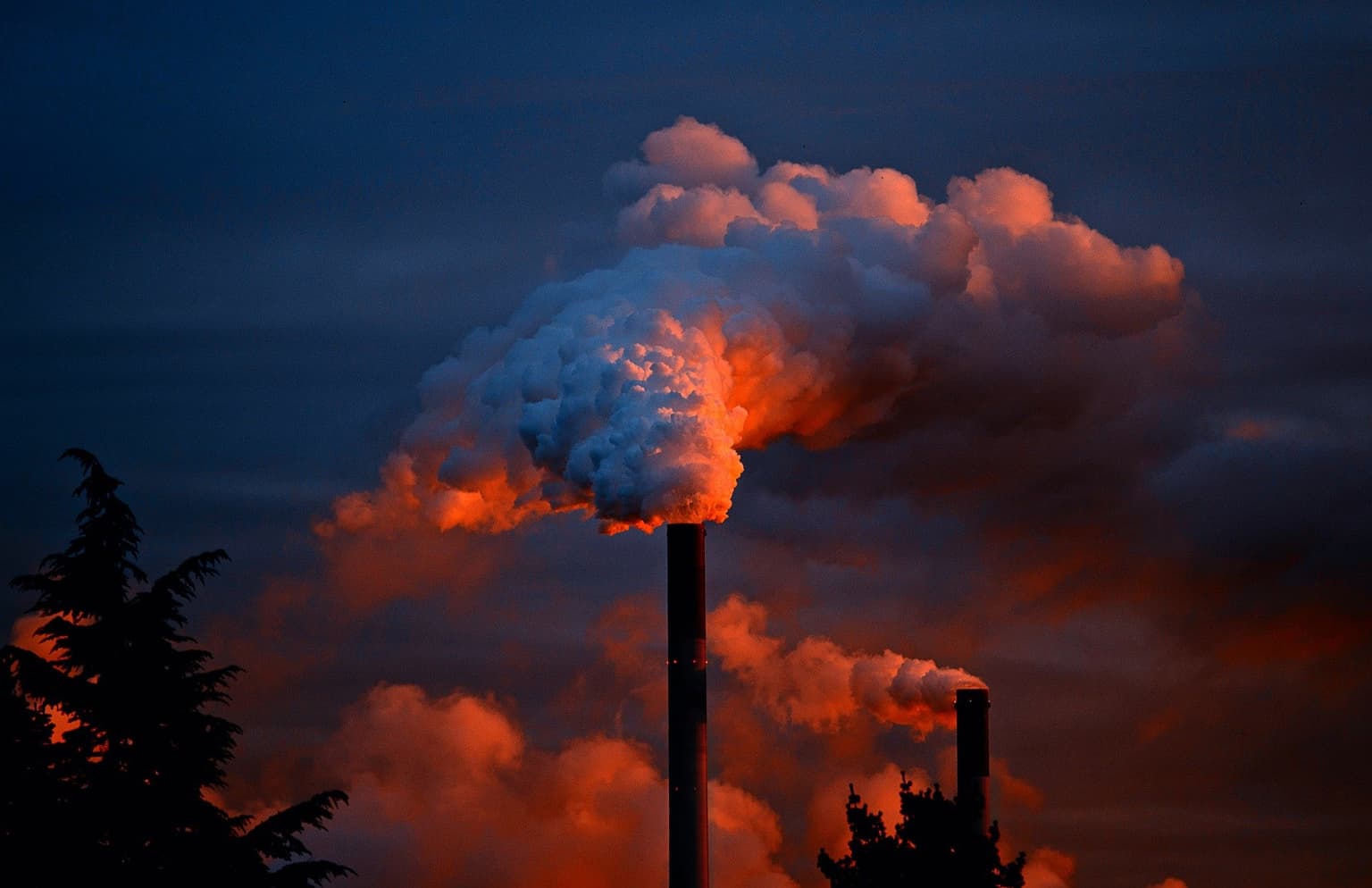
The European Commission plans to extend free allocations of carbon allowances to industry beyond 2034 and lengthen the period during which additional allowances are released onto the market through auctions. The international outlet Clean Energy Wire reported, citing the German newspaper Handelsblatt.
The EU ETS is the EU’s flagship climate policy and requires large industrial companies and energy producers to surrender allowances for their greenhouse gas emissions.
Read the full article HERE.
8. IEA: Nuclear and renewables to be the main sources of electricity this decade
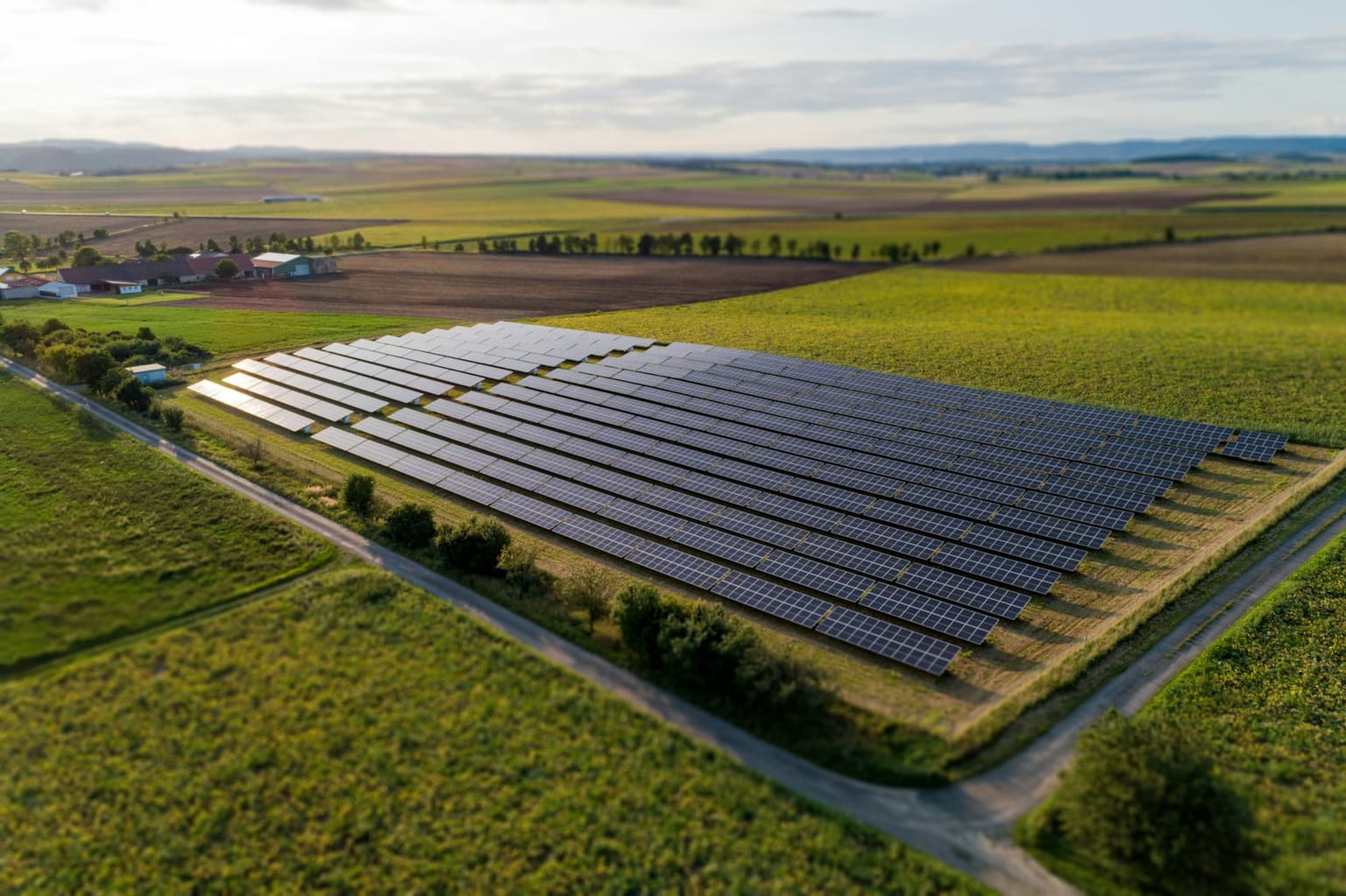
Renewable energy and nuclear power will play a leading role in electricity generation this decade. The International Energy Agency (IEA) expects the two sources together to account for 50% of global electricity generation by 2030.
The analysis was reported by Renewables Now. The IEA analysis shows that renewables will overtake coal-fired power generation after reaching parity in 2025, according to the latest available data. The trend is driven primarily by solar power, which saw rapid growth last year, while hydropower and wind power output was weaker, owing to less favourable conditions (particularly in Europe, according to the IEA).
Read the full article HERE.
9. ČSA mine: the first major test of the state’s new reclamation and energy policy
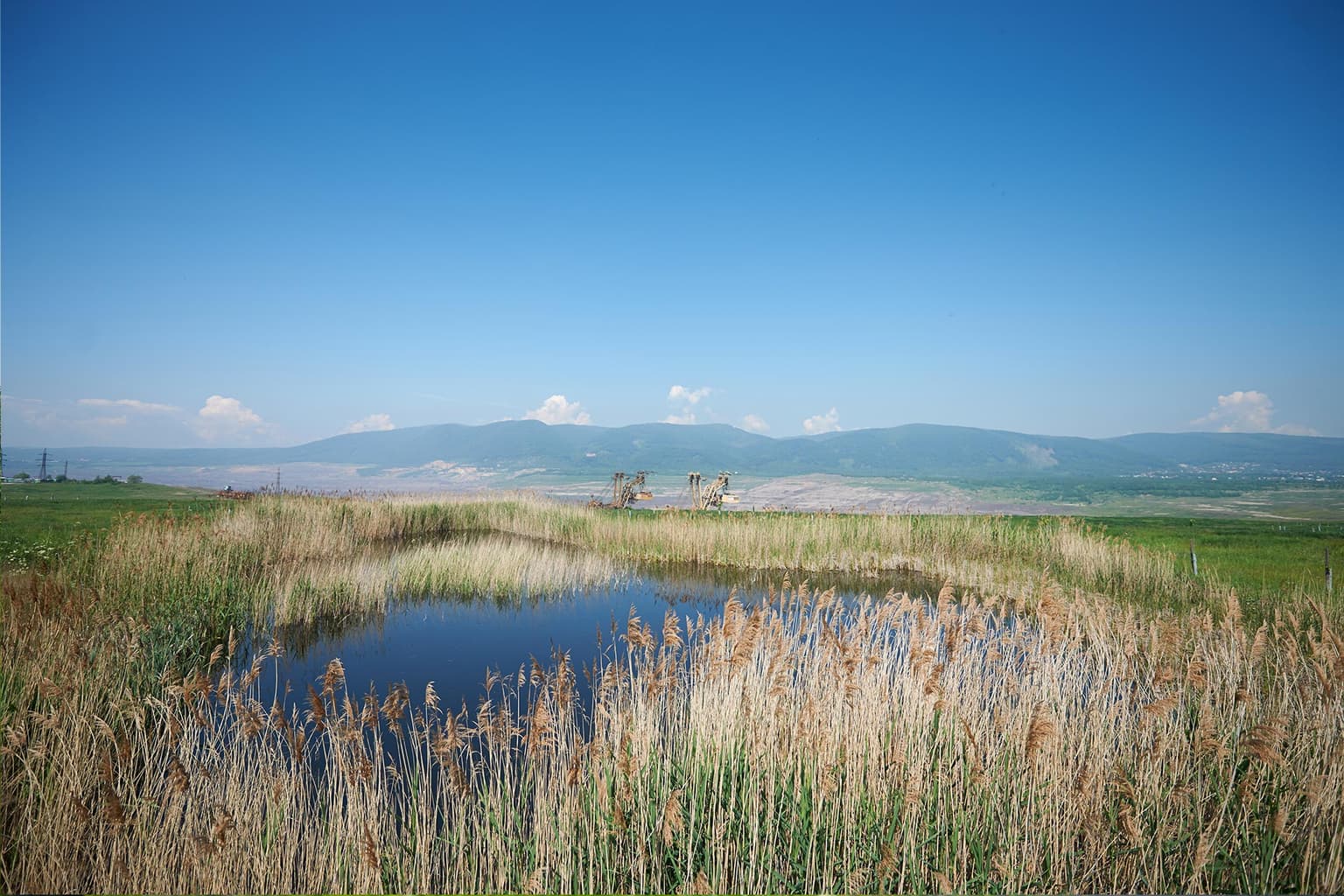
For decades, the Československé armády (ČSA) mine in the Most region was one of the Czech Republic’s most significant open-cast lignite mines. Its high calorific value and strategic location made it a key fuel source for electricity generation and heat production. But after mining ended, the ČSA mine did not become a “conventional” reclamation project based on the models of previous decades. Instead, it became a pilot area where ecological restoration, energy use and managed public access are being combined on a large scale for the first time.
This change was brought about by Czech government resolution No. 479 of 28 June 2023, which approved a new concept for the use of the post-mining area. The resolution followed earlier government decisions on the future of coal regions, including Czech government resolution No. 421 of 17 June 2019. Instead of technical reclamation and artificial flooding of the mine, the chosen approach is based on natural succession, biodiversity protection and selective infrastructure development.
Read the full article HERE.
10. AI drives Siemens Energy’s financial performance
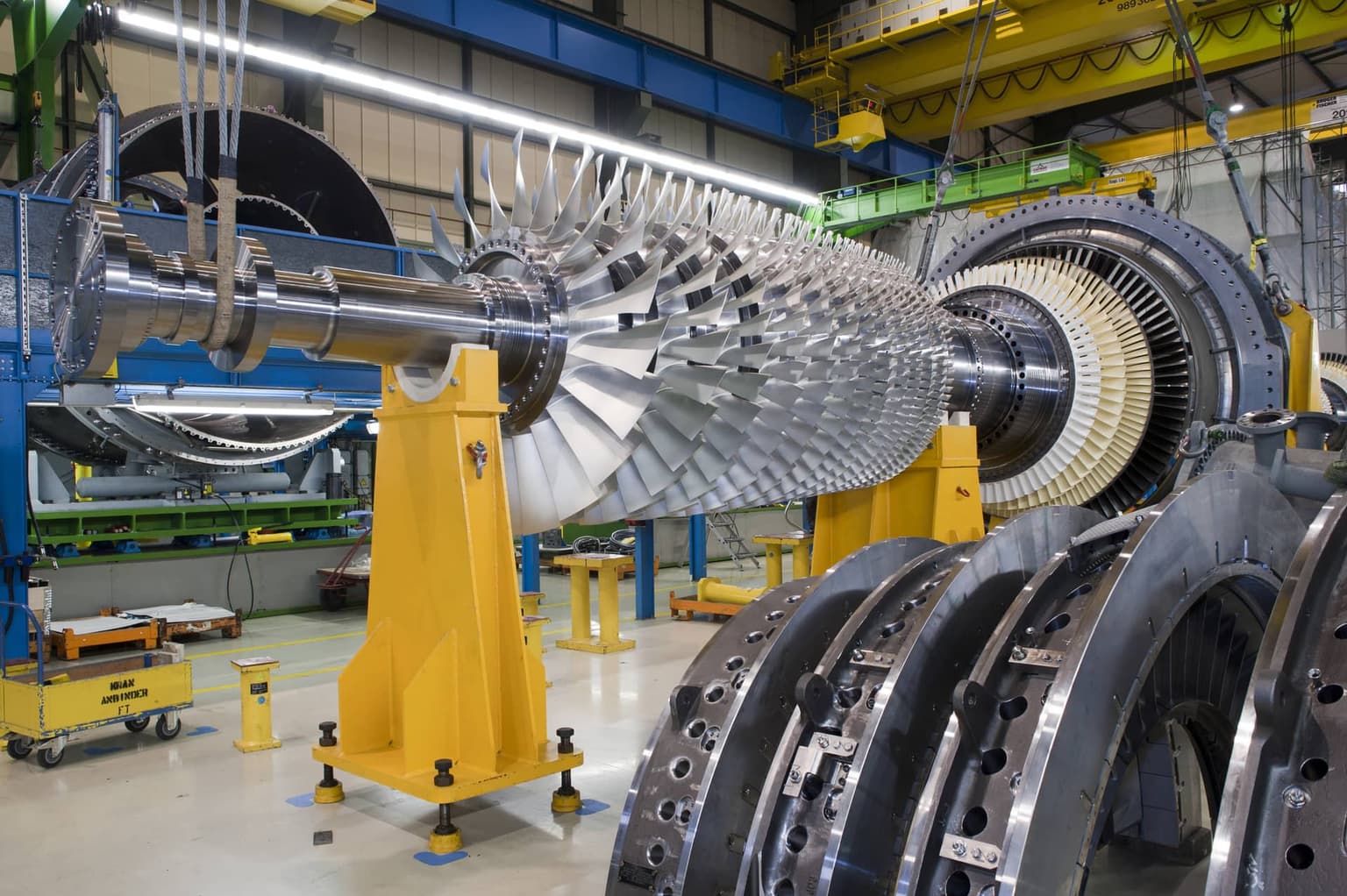
The growth of artificial intelligence and improved performance at wind turbine manufacturer Siemens Gamesa drove Siemens Energy’s results in the first fiscal quarter. Siemens Energy’s shares have risen more than tenfold over the past two years, making the energy equipment manufacturer Germany’s sixth most valuable company.
Siemens Energy’s net profit almost tripled in the first three months of its fiscal year, which begins on 1 October. Reuters reports.
Read the full article HERE.
Energostat: electricity generation in the Czech Republic
Energostat: electricity generation in Germany
More up-to-date charts and data are available on Energostat
Translation disclaimer
This article is a machine translation of the Czech original and has not yet been fully reviewed. In case of any doubt, please refer to the Czech version.




