Top 10 energy stories from the past week
This week, we once again bring you a carefully curated list of the ten most significant articles published on oEnergetice.cz. If you missed any of them, here is a selection of the articles that attracted the most interest from our readers. Best wishes for the week ahead!
1. Zelensky says unnamed allies urged Ukraine to limit attacks on Russian energy infrastructure
While Ukraine’s allies initially supported taking a tough line against Russia, including attacks on energy infrastructure, they are now urging Kyiv to avoid such targets. The reason is concern about the deepening global energy crisis. Ukraine, however, continues to insist that putting pressure on Russian energy infrastructure is one of the few ways to force Moscow to end the fighting.
More than a year ago, 34 countries joined forces to support Ukraine in resisting Russian aggression, which erupted on a full scale in February 2022. This group of countries is known as the Coalition of the Willing. Among other things, the coalition is tasked with increasing economic pressure on Russia through sanctions and other measures. The initiative, led by the United Kingdom and France, was announced by British Prime Minister Sir Keir Starmer following the 2025 London Summit on Ukraine.
Read the full article HERE.
2. Record solar output in Czechia in March sent day-ahead electricity prices swinging as consumption stagnated
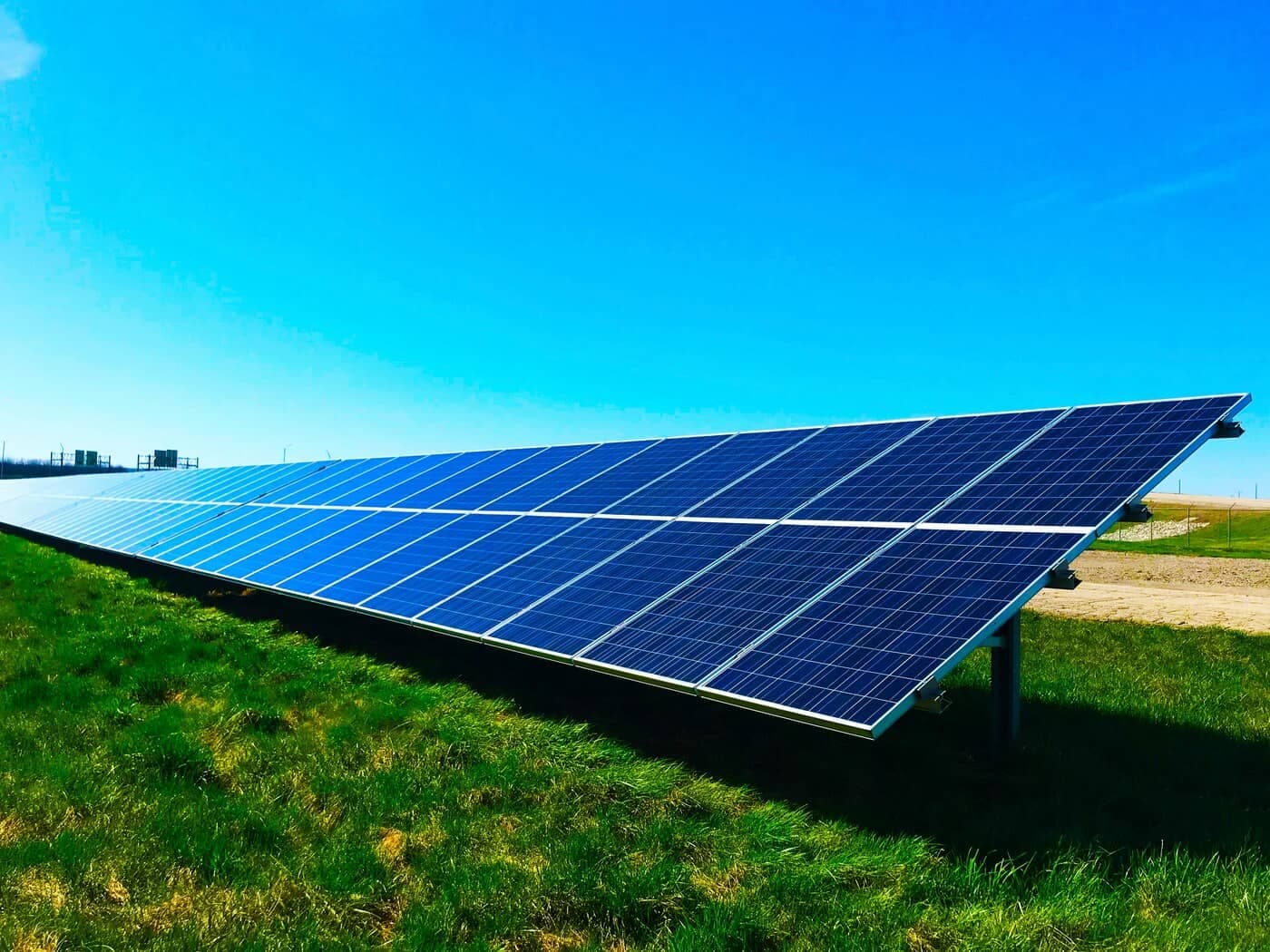
Czech solar power plants supplied 463 GWh of electricity to the grid in March, making them the third-largest source of electricity after lignite-fired and nuclear power plants. Compared with March 2025, their output increased by just under 9 GWh, and by around 300 GWh compared with February. Rising solar generation was reflected in day-ahead electricity prices, which swung sharply compared with February and often fell to zero or negative values. This is according to data available on Energostat.
March was nearly 1.9 degrees Celsius warmer than the long-term temperature average, according to data published on the website of Czech market operator OTE, a.s. Compared with the freezing January, which pushed electricity consumption in Czechia to a nine-year high, this March was more than 8 degrees Celsius warmer. It was just under 4 degrees warmer than February.
Read the full article HERE.
3. Slovnaft buys oil in Latin America as Druzhba outage forces Central Europe to improvise
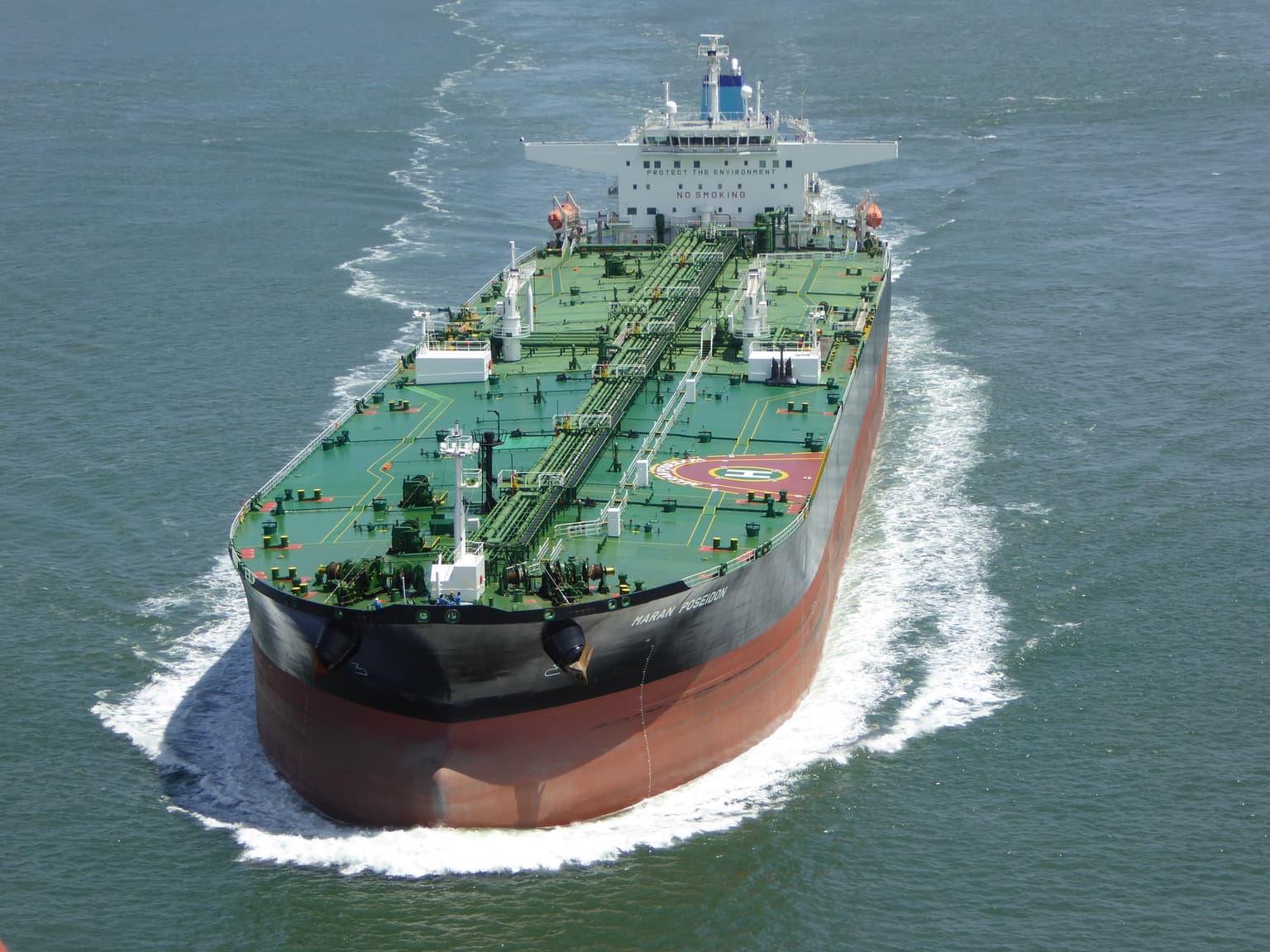
Slovak refiner Slovnaft is beginning to import oil from Latin America to make up for supply disruptions from Russia and the Middle East. The first shipments will arrive via Croatia in several weeks, while the whole region, including the MOL Group, is relying on emergency stocks and reduced refinery operations. Uncertainty over repairs to the Druzhba pipeline and the geopolitical situation continue to complicate supply security, reports S&P Global.
Slovak refinery Slovnaft is changing its long-established oil supply model. Due to supply disruptions from Russia and restrictions in the Middle East, it is now starting to buy crude from Latin America. Until recently, this step would have seemed largely theoretical: shipments from the region to Central Europe are exceptional both logistically and commercially.
Read the full article HERE.
4. EU leadership admits mistake in its approach to nuclear energy
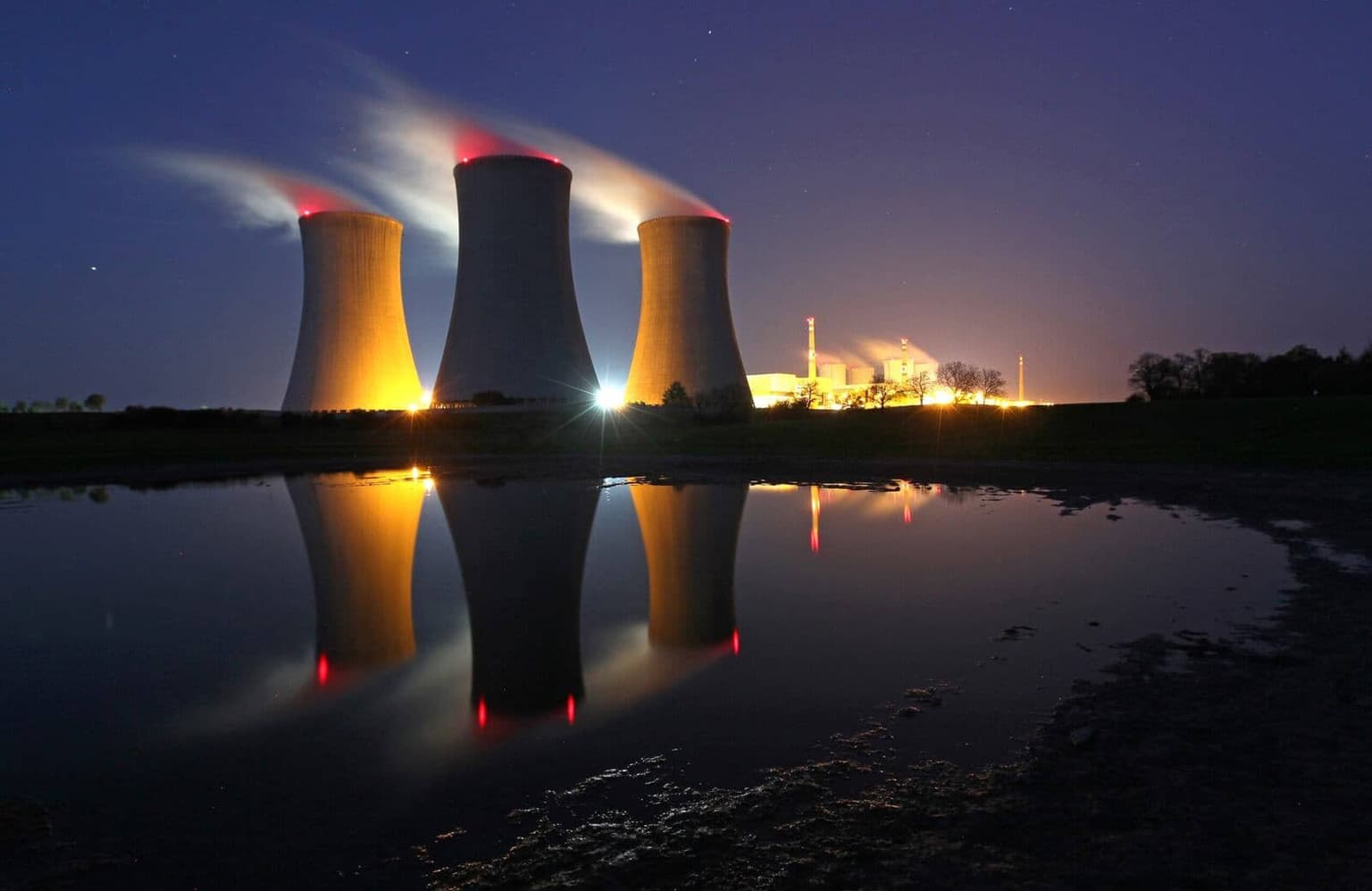
In the second week of March, European Commission President Ursula von der Leyen spoke at a nuclear energy conference in Paris. She said that the European Union’s push to move away from nuclear power had been a major mistake and that it needed to be corrected. Let us take a closer look at what needs to be done in this regard.
European Commission President Ursula von der Leyen’s announcement at the nuclear energy conference in Paris in March 2026 can be seen as completing the European Union’s shift in its approach to nuclear energy. The process began at a similar conference held in Brussels in March 2024.
Read the full article HERE.
5. Middle East supply disruptions will hit Europe this month, IEA chief warns
Disruptions to oil supplies from the Middle East will worsen this month and begin to have a significant impact on the European economy as well. Restricted traffic through the Strait of Hormuz is sharply reducing available oil supplies. Fatih Birol, head of the International Energy Agency (IEA), said this in a podcast hosted by Nicolai Tangen, head of Norway’s sovereign wealth fund, according to Reuters.
Since the conflict began between the United States and Israel on one side and Iran on the other, the shortfall has amounted to more than 12 million barrels of oil. This is due to Tehran’s attacks on energy infrastructure in the region and restrictions on shipping through the strait, a key transport route.
Read the full article HERE.
6. European Commission proposes change to emissions trading system; allowances to remain in reserve
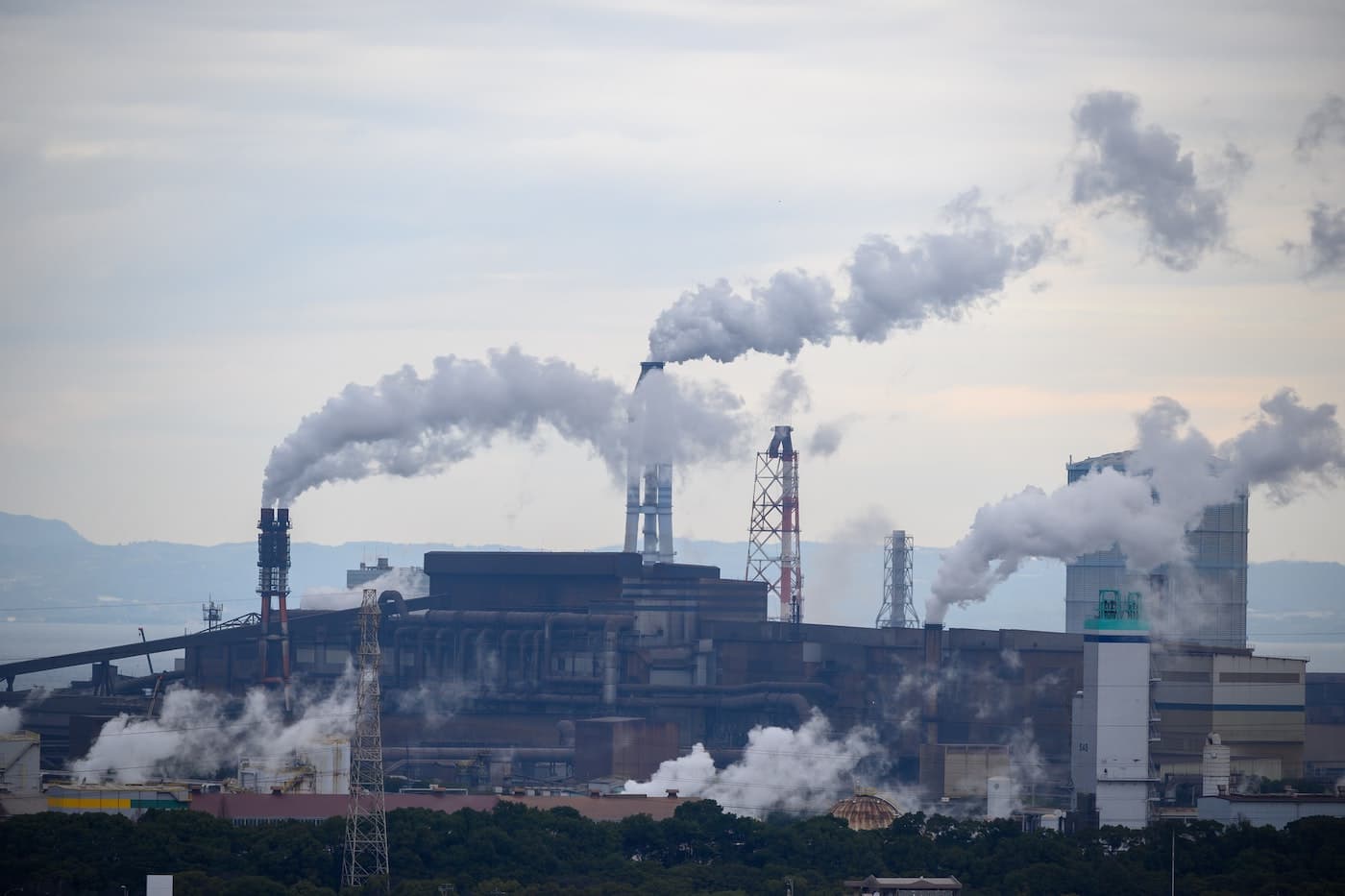
Brussels, 1 April (CTK) – The European Commission has proposed the first change to the EU Emissions Trading System (EU ETS). It proposes amending the Market Stability Reserve (MSR), which regulates the emissions allowance market. Under the new rules, allowances would no longer be invalidated if the reserve contains more than 400 million. Instead, they would be kept as a stock for future use. The aim is to improve stability and predictability, the Commission said. The change to the emissions allowance system was demanded in particular by Czech Prime Minister Andrej Babiš.
The Market Stability Reserve reduces the supply of emissions allowances on the market when there is a surplus and releases them when there is a shortage. According to the EU executive, the change strengthens the MSR’s role as a buffer and improves its ability to respond to future developments, including market tensions or excessive price volatility. The proposal will now be submitted for approval to the European Parliament and the Council of the EU, which represents the member states.
Read the full article HERE.
7. Prices in German wind power auction fall to their lowest level in 8 years
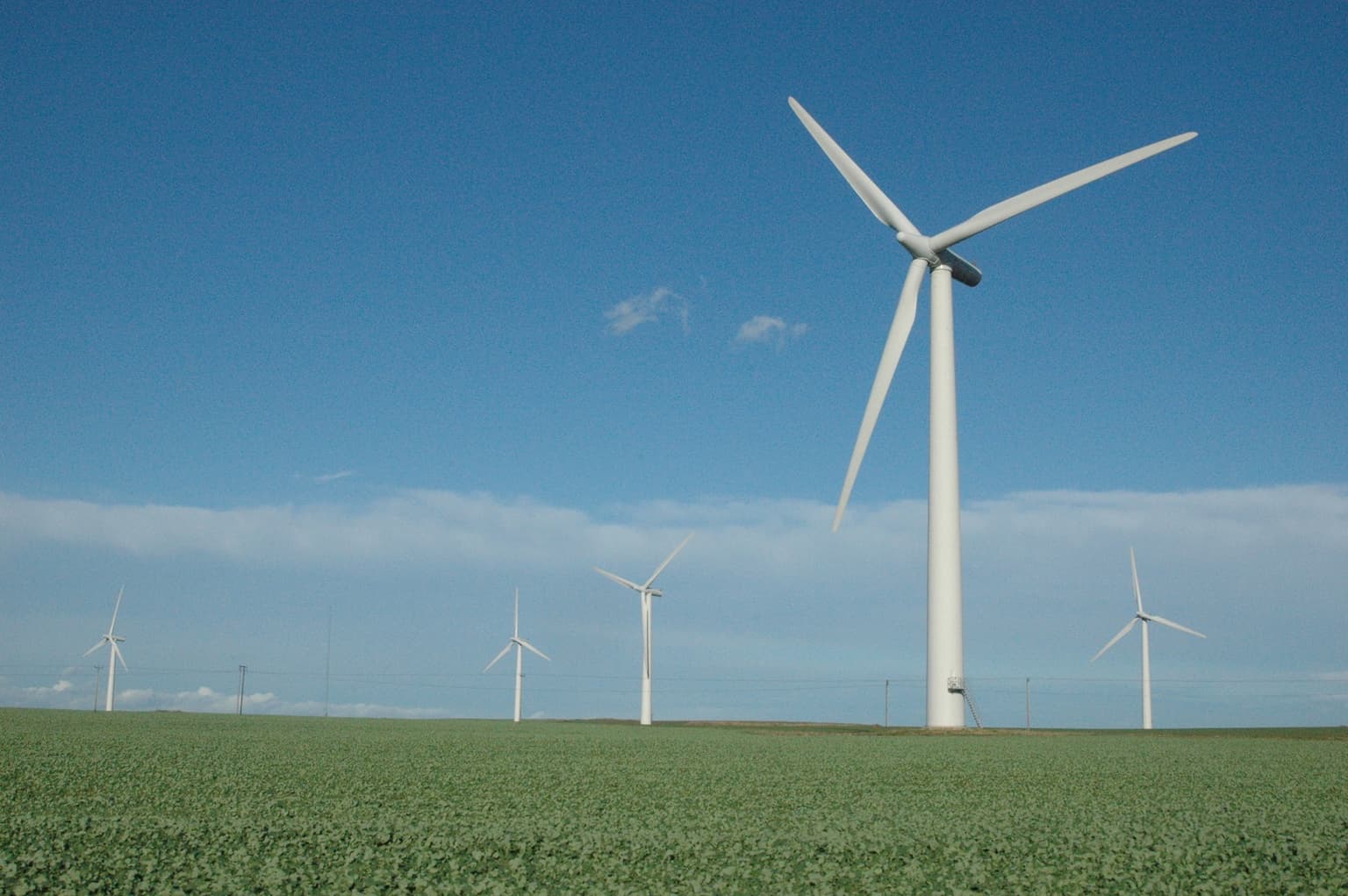
Germany plans to hold four wind power auctions this year, the first of which took place in early February. As in previous rounds, interest in securing operating support was very strong, with the volume of projects submitted more than double the auction volume. This year’s first round also brought a significant drop in the prices awarded, which reached their lowest level since 2018.
Germany planned four auctions for onshore wind farms in 2026, which were originally intended to offer a combined capacity of 10 GW. However, the size of each auction can be adjusted in light of various factors. The volume on offer was adjusted in this year’s first round, when German grid regulator Bundesnetzagentur offered 3445 MW, nearly 1 GW more than originally planned.
Read the full article HERE.
8. Rising gas prices reopen debate over the pace of Germany’s coal phase-out
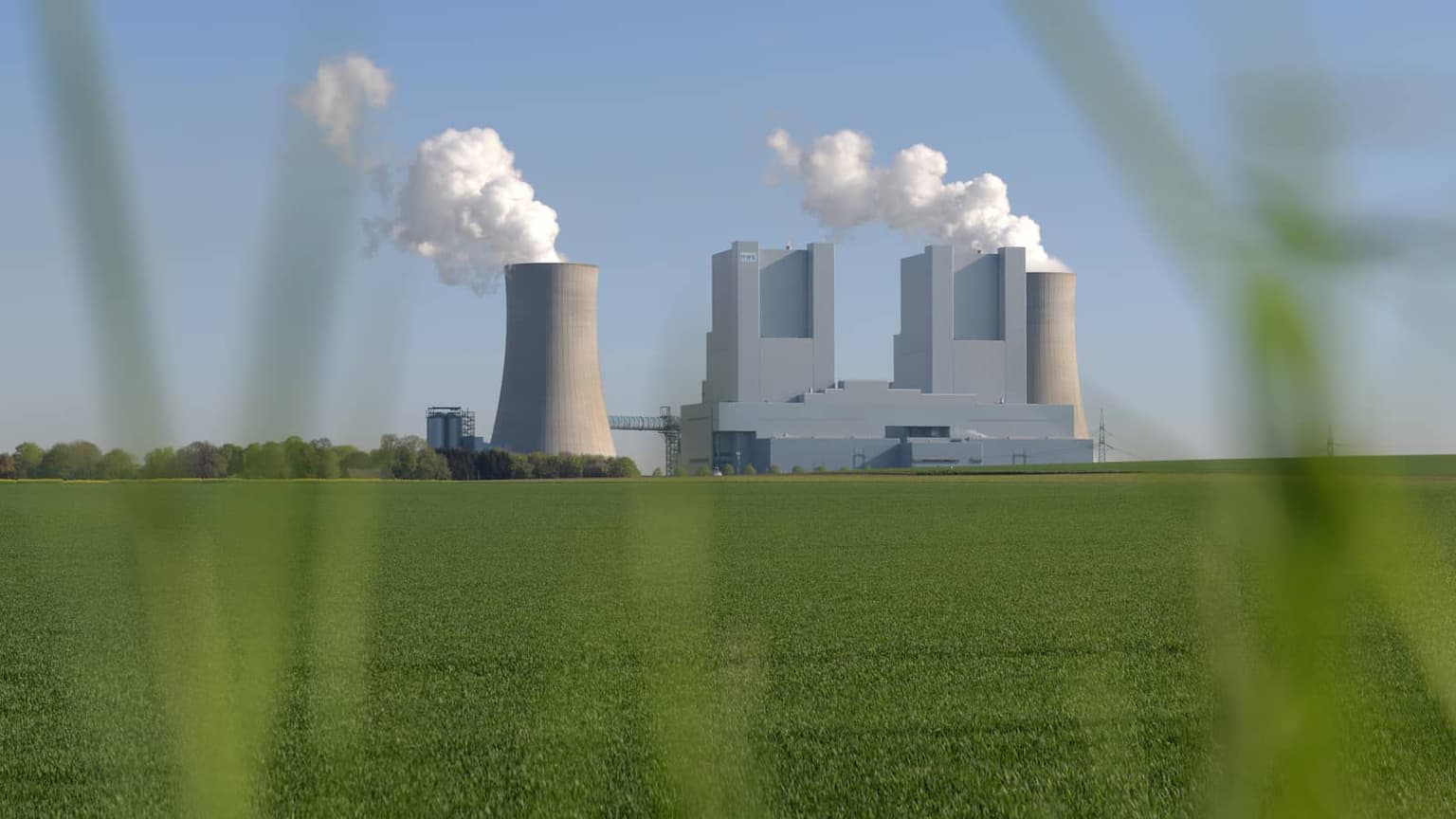
Rising gas prices amid geopolitical tensions in the Middle East have rekindled debate over the timetable for Germany’s phase-out of coal-fired power generation. Industry and energy sector representatives are calling for coal-fired power plant closures to be postponed and for some coal-fired units in reserve to be temporarily returned to the market. The government is still hesitant, however, citing legal and economic obstacles.
Rising energy commodity prices, particularly for oil and gas, linked to the conflict involving Iran are increasing pressure to reconsider Germany’s strategy for phasing out coal-fired power generation. Industry representatives say the country should make greater use of its domestic generating capacity in the current situation, especially coal-fired power plants that are currently held only in reserve and cannot normally operate on the market.
Read the full article HERE.
9. Oil prices rise amid Iran conflict, with monthly gains likely to be record-breaking
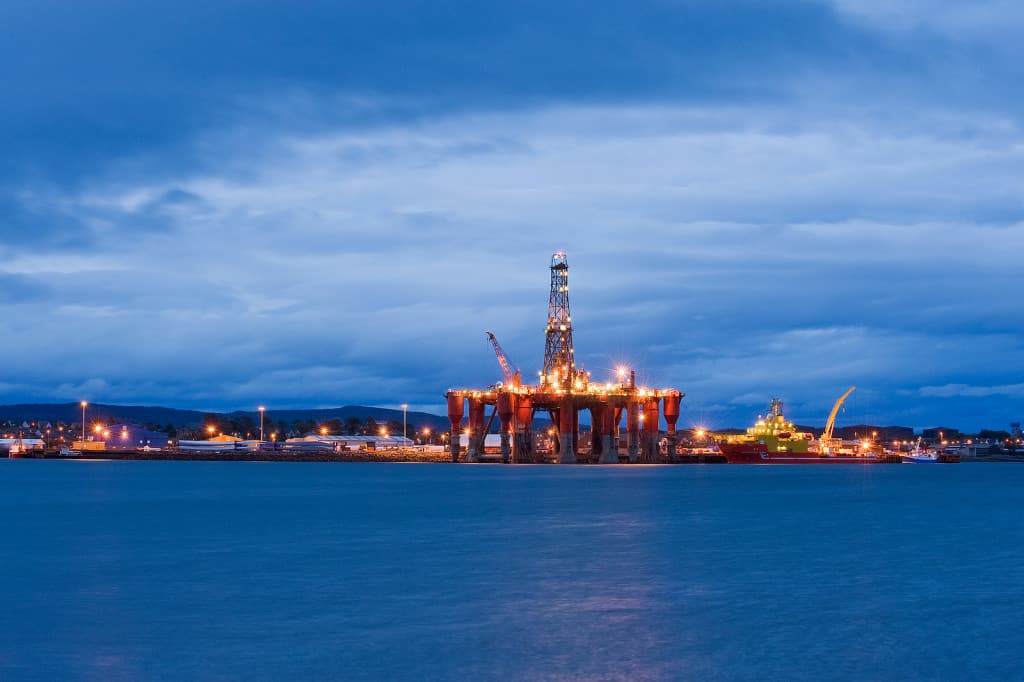
Oil prices continued to rise today, and gains for the month as a whole are likely to be record-breaking. The sharp price increase was driven by the war in the Middle East, particularly the effective closure of the Strait of Hormuz. Brent crude is up around 63 percent for the month, a record. US WTI crude has gained 54 percent, its biggest monthly increase since May 2020, according to LSEG data dating back to June 1988.
At around 16:55 CET, the price of North Sea Brent crude was up 5.7 percent at 119.19 dollars a barrel. At the same time, US light crude WTI was up 1.4 percent, trading at 104.37 dollars a barrel.
Read the full article HERE.
10. Experts: Oil market crisis is just beginning and has yet to reach Europe
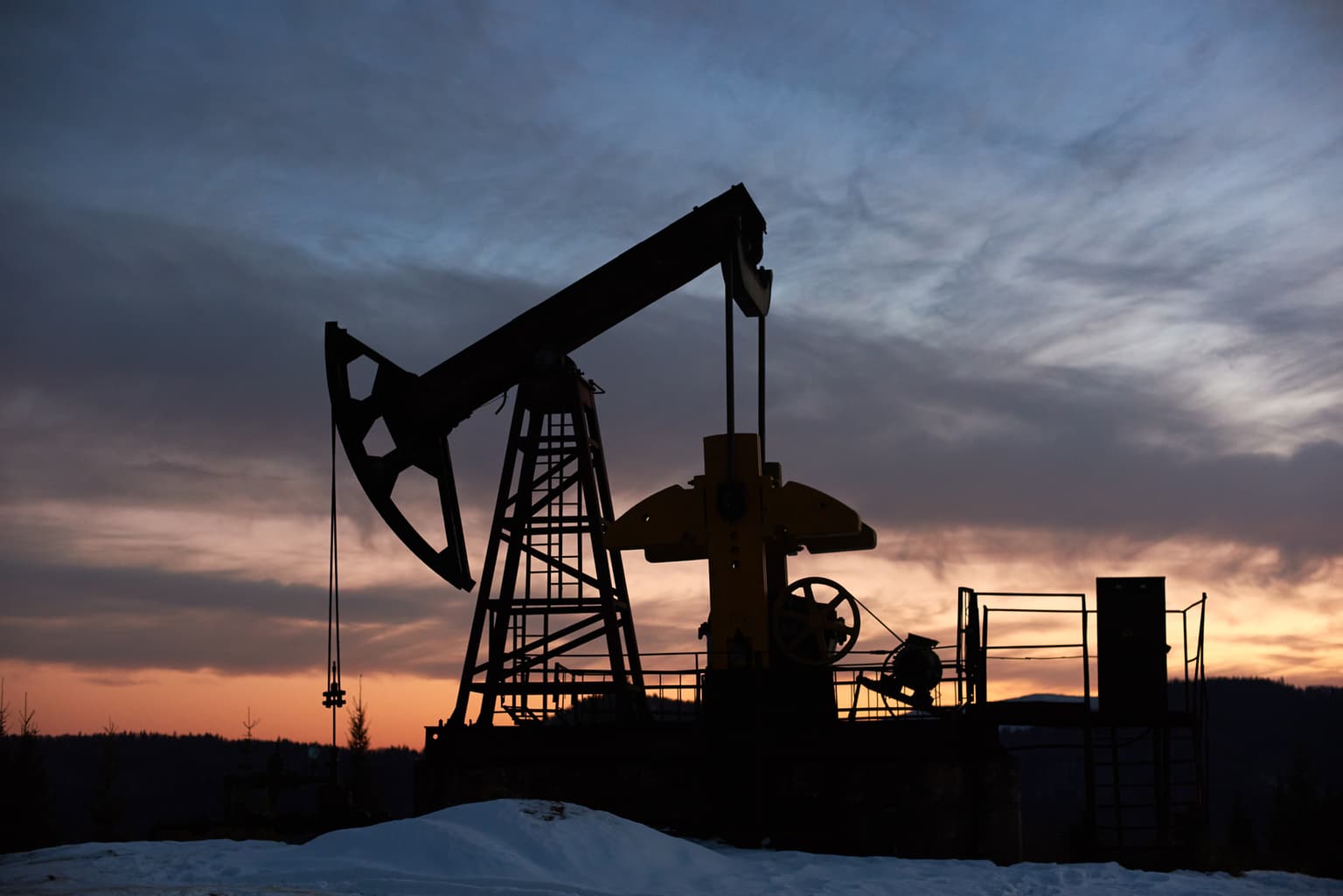
The oil market crisis triggered by the impact of the US-Israeli war with Iran has yet to fully unfold; in fact, it is only just beginning. Bloomberg reported this, citing interviews with more than 30 industry experts. The main problem is that oil from the Middle East—a region that is a key source of the commodity—cannot reach the global market. Asia is already facing fuel shortages, while experts say the worst is yet to come for Europe.
One message came up repeatedly over the past week in interviews with oil and gas traders, executives, brokers, shippers and consultants: the world still does not fully grasp the severity of the situation. Many compare it to the oil shock of the 1970s and warn that the closure of the Strait of Hormuz threatens an even greater crisis. Under normal circumstances, around one-fifth of the world’s traded oil and liquefied natural gas (LNG) passes through the strait.
Read the full article HERE.
Energostat: electricity generation in Czechia
Energostat: electricity generation in Germany
Find more up-to-date charts and data on Energostat
Translation disclaimer
This article is a machine translation of the Czech original and has not yet been fully reviewed. In case of any doubt, please refer to the Czech version.