Top 10 energy stories from the past week
This week, we once again bring you a carefully selected list of the ten most important articles we published on oEnergetice.cz. If you missed any of them, here is a selection of the stories that attracted the most interest from our readers. Best of luck in the new week!
1. Friday’s electricity price collapse has a sequel: Day-ahead market price floor to fall to -600 EUR/MWh

Electricity prices on short-term markets plunged over the last weekend of April and the May 1 public holiday. Prices for delivery shortly after midday on May 1 even hit the -500 EUR/MWh price floor on the Czech market. In response to the repeated price drop, the lower price limit will be reduced by 100 EUR/MWh under European rules. The new rules are expected to take effect by the end of this month.
The steadily growing capacity of solar power plants has had a noticeable impact on short-term electricity markets in recent years. Negative prices are becoming more frequent, and spot prices are also falling further when supply significantly exceeds demand. The turn of April and May this year is one example, with electricity prices across Europe plunging sharply twice. The first collapse came on the last Sunday in April, followed by another on the May 1 public holiday.
Read the full article HERE.
2. The world’s largest source of methane emissions is a landfill in Chile
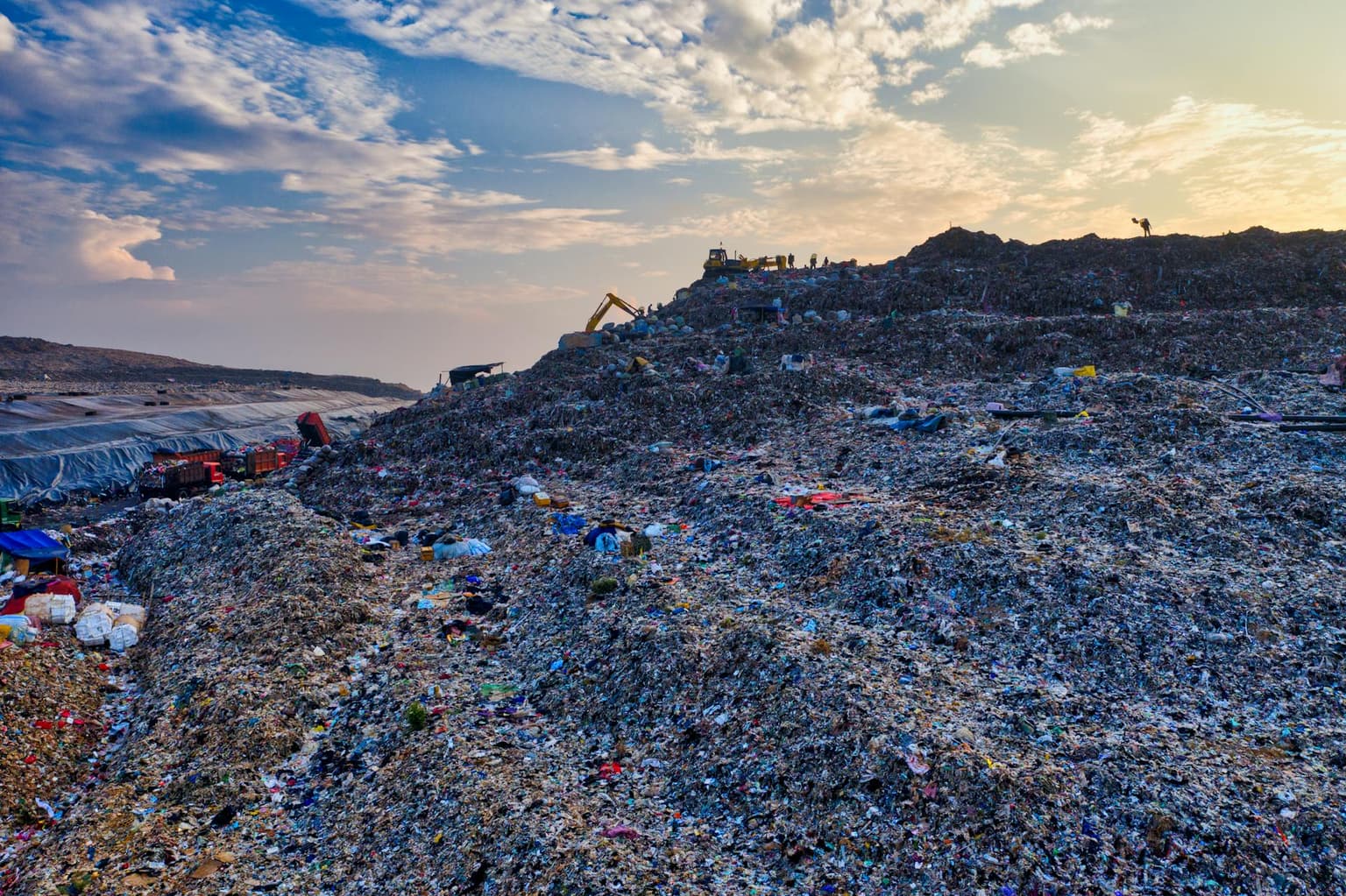
One of the largest sources of methane, which contributes to global warming, is a landfill rising above the hills on the outskirts of Chile’s capital, Santiago. This is according to a study by the UN Environment Programme.
The Methane Alert and Response System (MARS) of the UN Environment Programme (UNEP) has published an updated list of the 50 human-made sites with the highest methane emissions in the world. It aims to alert countries to significant methane emissions and enable action to be taken.
Read the full article HERE.
3. Solar power is losing money so far in May. Day-ahead market shows an average realized price of -8,5 EUR/MWh
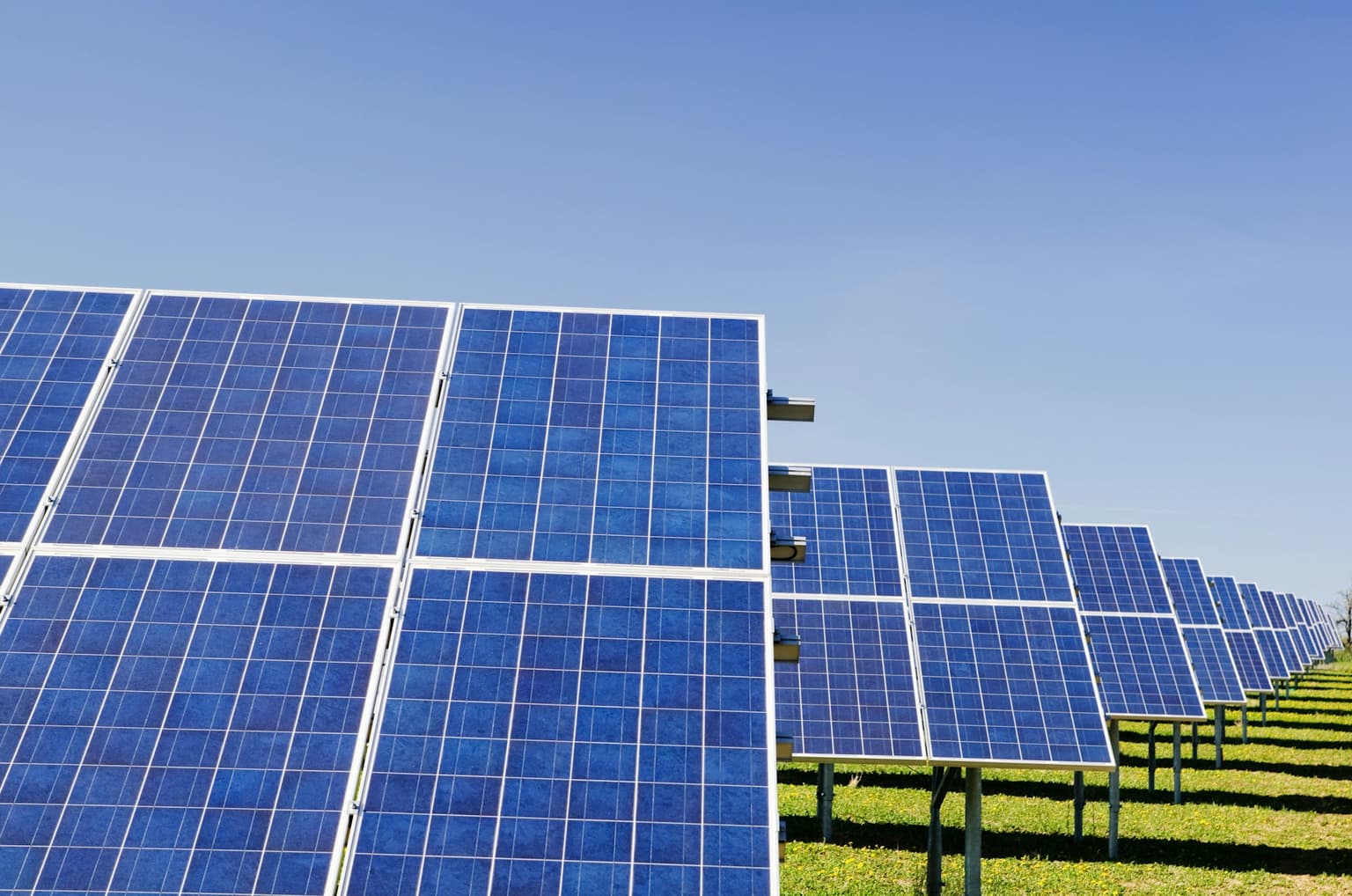
Data for May so far point to a new reality for solar power plants, at least until electricity storage takes off. The average realized price for their output is currently negative, at around -8,5 EUR/MWh. This is the result of rapid growth in installed photovoltaic capacity, insufficient grid flexibility and frequent midday price plunges into negative territory.
Solar power plants in Czechia began May with high output, but the market value of the electricity they generated was exceptionally low. According to the data available so far for May, the realized price for solar power plants is -8,56 EUR/MWh. If solar plants sold their output solely on the day-ahead market and without support, they would so far be operating at a loss. This is because photovoltaic generation is concentrated, on average, in hours when day-ahead market prices are very low or even negative. May has been exceptional in this respect.
Read the full article HERE.
4. China tests the limits of US power, ordering refineries to ignore sanctions
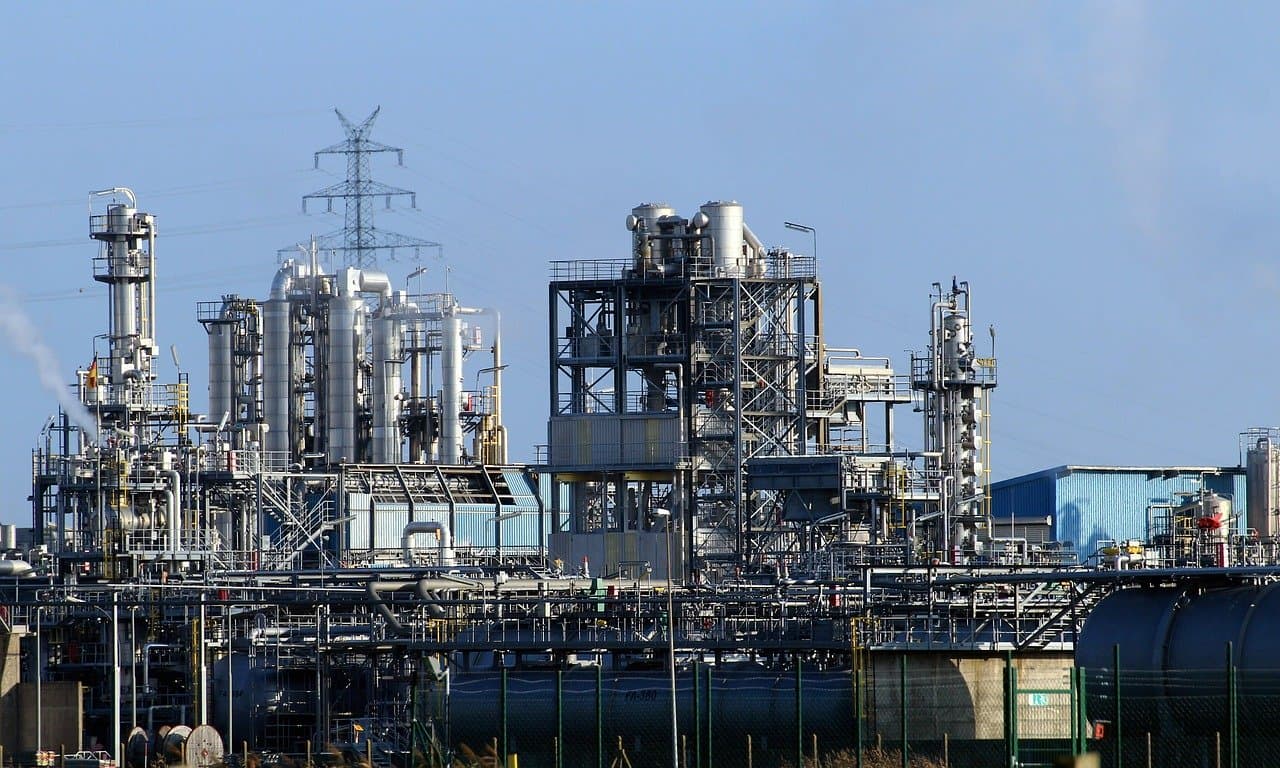
The government of the People’s Republic of China has ordered five domestic refineries not to comply with US sanctions. The move responds to growing pressure from the United States, which is expanding sanctions against entities involved in Iran’s oil and petrochemical sectors. China remains a key buyer of Iranian oil and a major player in the global oil market. The opposing measures are deepening the rift in US-China relations.
On May 2, 2026, China’s Ministry of Commerce issued measures to “block the unjustified extraterritorial application of foreign laws.” It cited its rejection of unilateral sanctions that lack a UN mandate and a basis in international law, as a ministry spokesperson added. The Ministry of Commerce said it would not recognize, enforce or comply with sanctions imposed by the United States over participation in Iranian oil transactions, such as asset freezes and transaction bans. The order came into force on the day it was announced.
Read the full article HERE.
5. Vintířov opposes wind turbines: Mayor rejects a zone “drawn up in Prague”
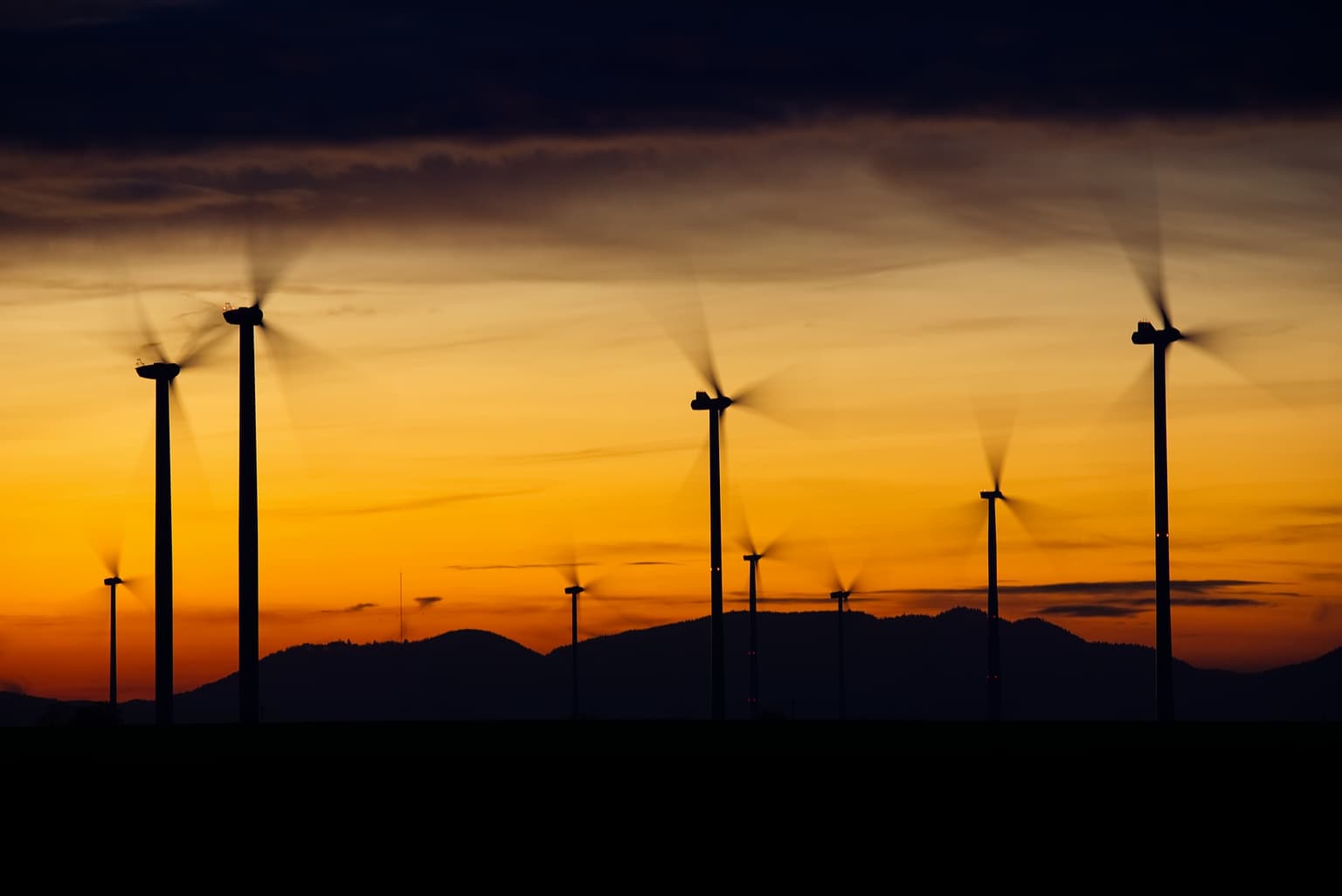
The proposed acceleration zone for wind farm construction near Vintířov in the Sokolov area is ill-conceived and was not agreed with the municipality or landowners, according to Mayor Marek Choc (ind.). The owner of most of the land, Sokolovská uhelná, would also prefer other locations and, above all, discussion about how the zones should be designated, the Czech News Agency (ČTK) reported. Environment Minister Igor Červený (Motorists) told ČTK that the zone is only a proposal and could be amended following comments.
According to the government’s plan, four so-called acceleration zones could be established in the Karlovy Vary Region, where it would be easier to build solar or wind power plants. Three of them are located at former coal mining sites, according to the proposal.
Read the full article HERE.
6. Negative electricity prices point to need for German energy reform, says Minister Reiche
Germany recorded electricity prices far below zero during a sunny long weekend. According to Federal Minister for Economic Affairs and Energy Katherina Reiche, the latest developments point to structural shortcomings in the German energy system, particularly the mismatch between the rapid expansion of renewable energy and the slower development of the grid.
On the public holiday, electricity prices on the German day-ahead market fell as low as -500 EUR/MWh, then remained deep in negative territory the following day, at around -147 EUR/MWh. The cause was a combination of very strong solar generation and low electricity demand.
Read the full article HERE.
7. China officially brings two more Hualong One nuclear units online
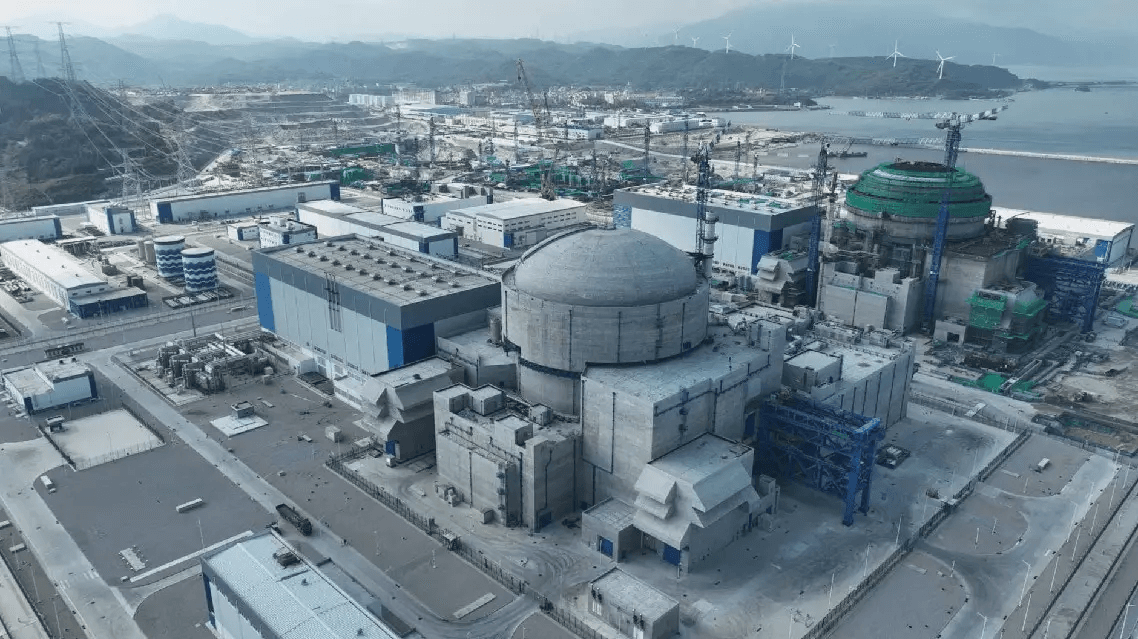
China has officially started operating two new Hualong One nuclear units, each with an installed capacity of 1116 MW. They are the first units at the Taipingling and San’ao nuclear power plants, which will each have a total of six units once completed. China began construction of Taipingling 1 in December 2019, while work on San’ao 1 started a year later. They are China’s 7th and 8th operational domestically designed nuclear units. Another 40 Hualong One units are at various stages of planning and construction.
China General Nuclear (CGN) announced that it had put two new Hualong One nuclear units into commercial operation in the second half of April. Taipingling 1 entered commercial operation first, on April 20, in the Greater Bay Area (the Guangdong-Hong Kong-Macao region) of Guangdong Province. China plans to build a total of six nuclear units at the plant in three phases; engineers are expected to bring its sister unit, Taipingling 2, online later this year as well.
Read the full article HERE.
8. EDF to invest almost €100 million in EPR2 manufacturing plant
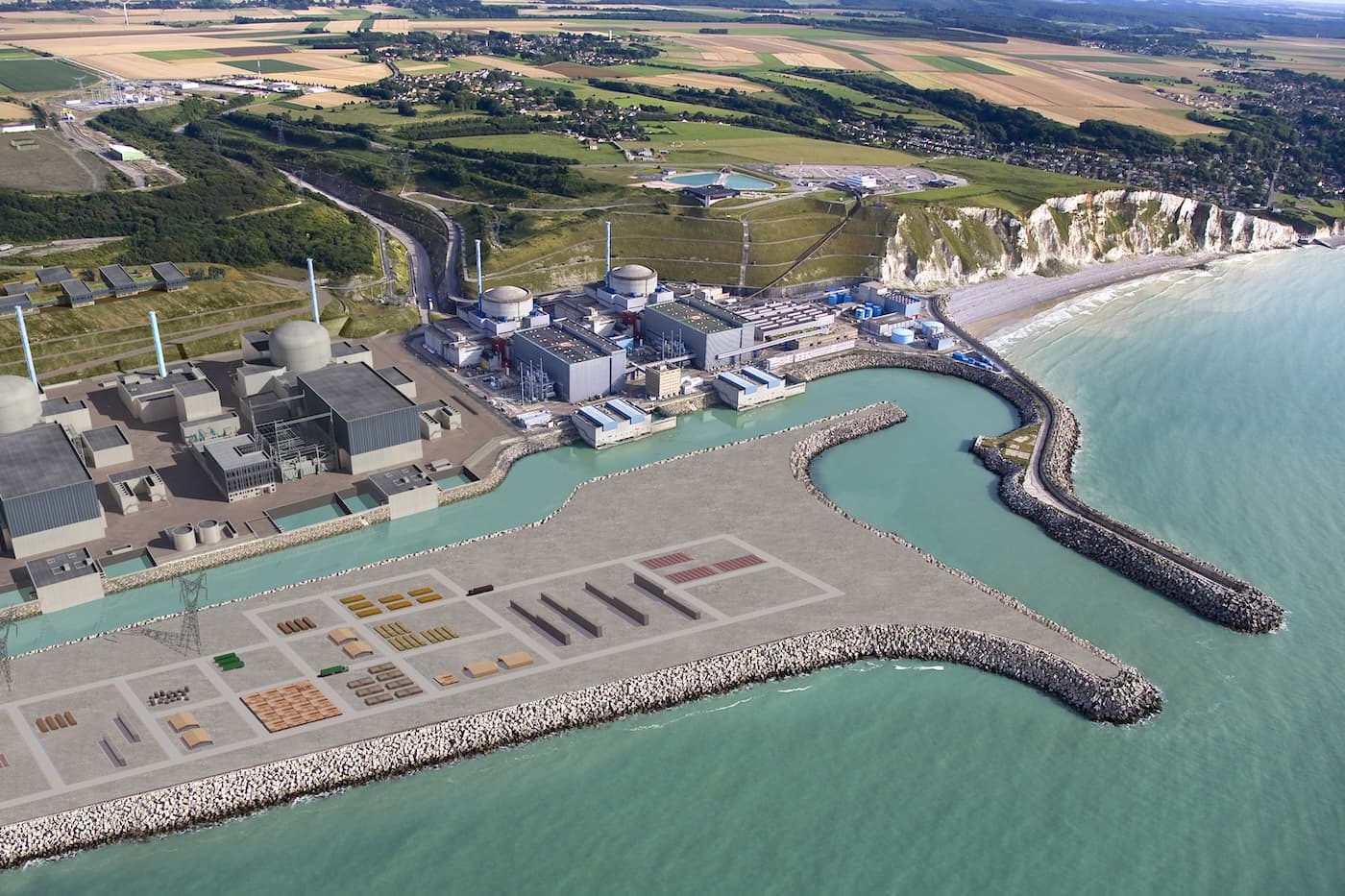
French state-owned energy company EDF is investing almost €100 million in a new Arabelle Solutions plant in Chalon-sur-Saône, eastern France. The factory will produce key components for the conventional island of new EPR2 reactor units.
According to EDF, the investment will support France’s plan to build six EPR2 units and also create capacity for the potential construction of eight more units in France. The plant is also intended to serve international new nuclear construction projects.
Read the full article HERE.
9. Solar installations slow in Germany, while battery storage sets records
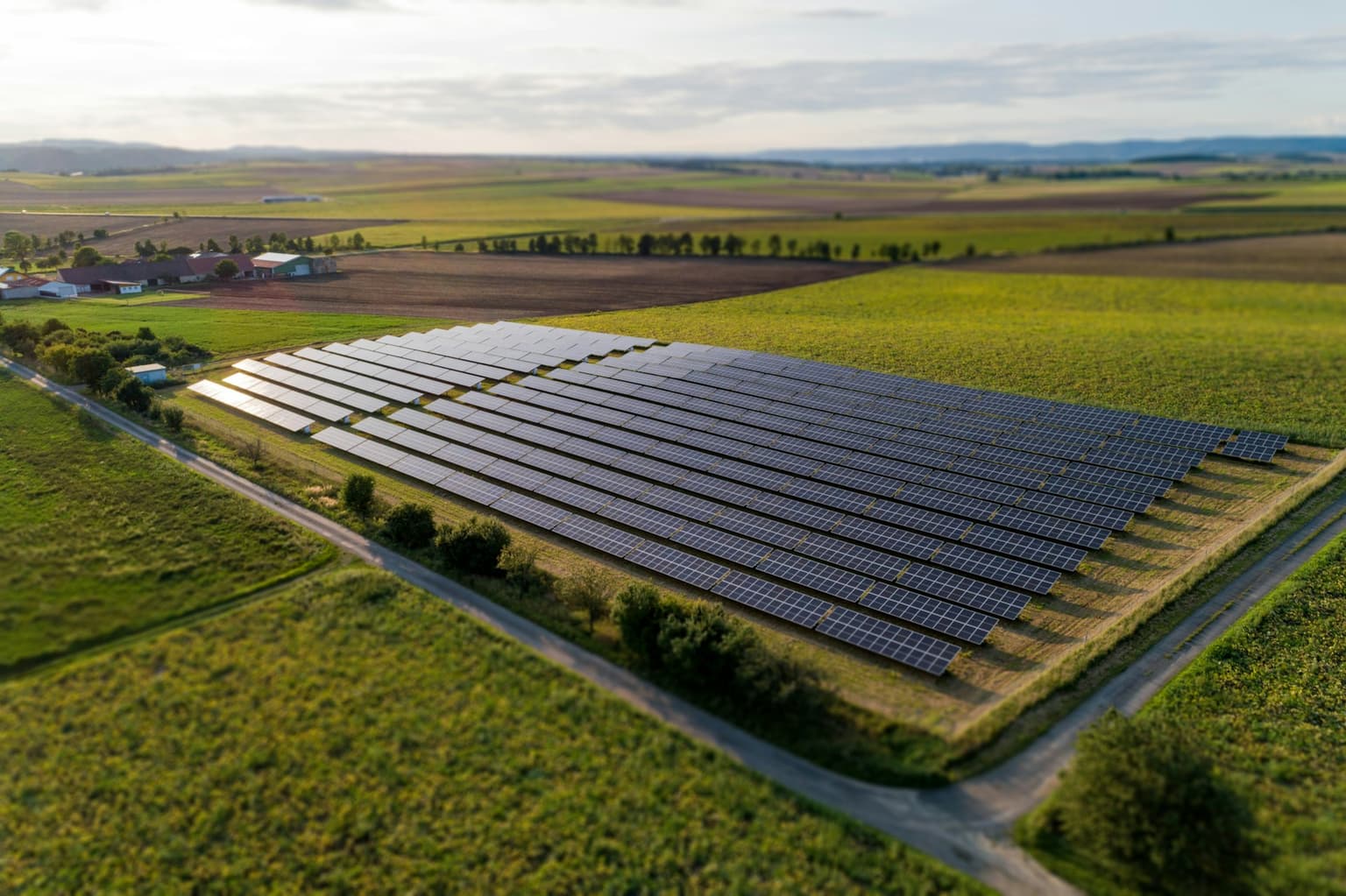
The pace of new solar power installations in Germany slowed at the start of 2026, while battery storage saw record growth. This is according to an analysis of regulator data published by industry association BSW Solar.
In the first quarter of 2026, new photovoltaic installations fell by around 6% year-on-year to approximately 3,5 GW. New installations on residential buildings declined by 21%, while commercial rooftop systems fell by 33%. In contrast, large ground-mounted solar plants saw newly installed capacity rise by around 20% year-on-year. This segment is therefore partly offsetting weaker demand for distributed generation.
Read the full article HERE.
10. Europe puts the brakes on data centers: Power is running short and grids are hitting limits
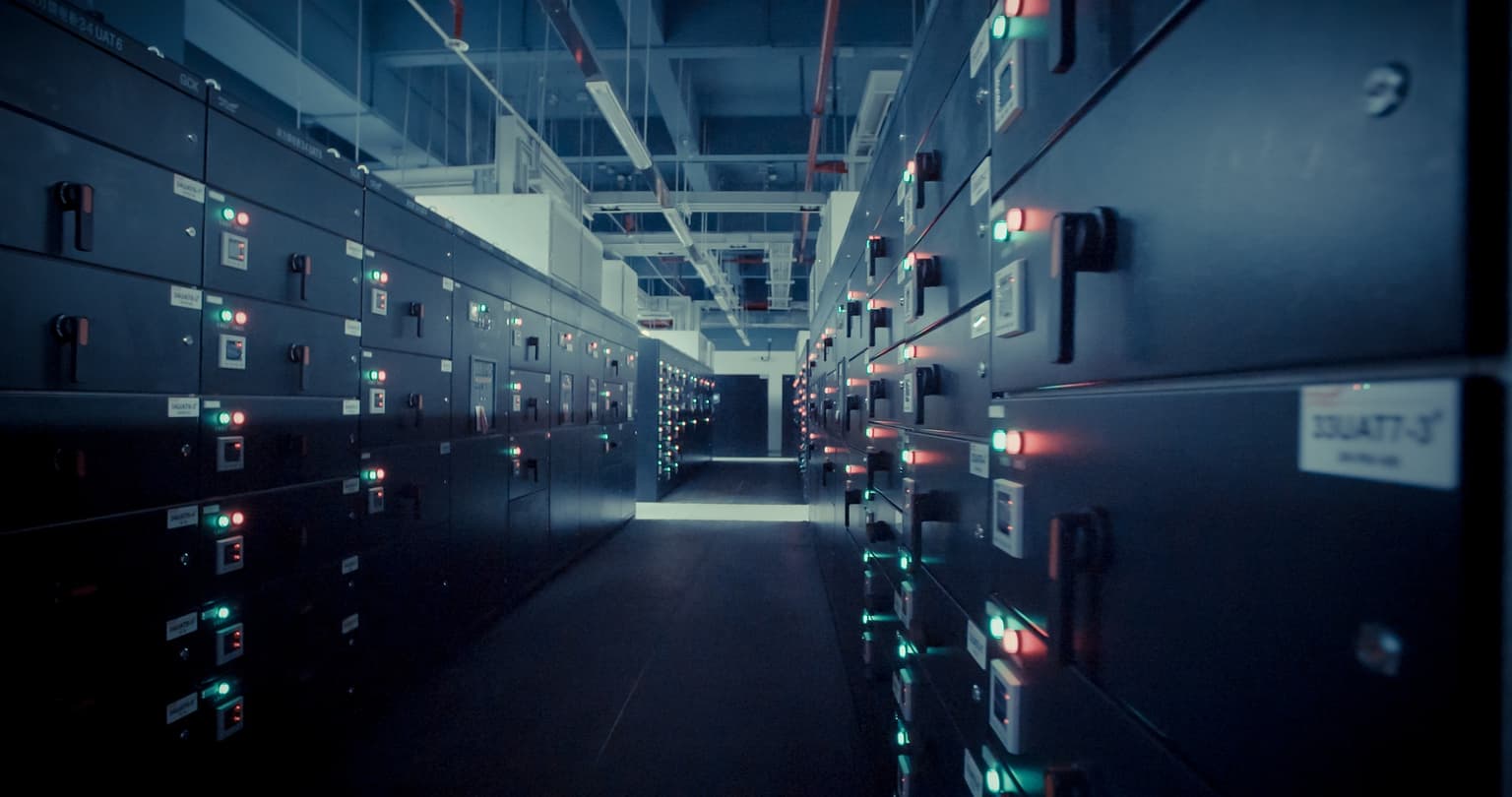
The rapid development of data centers is running up against the limits of power grids around the world. While political opposition is growing in the US and moratoria are looming, European countries led by Denmark are beginning to restrict new projects because of a lack of capacity. The boom in artificial intelligence and digitalization is thus posing a major challenge for the energy sector: how to balance growing demand with the security and sustainability of electricity supplies.
Data centers around the world are facing increasing pressure amid concerns about their energy consumption. In the US, Maine recently came close to banning data center construction, while in Pennsylvania the backlash could harm existing companies ahead of the elections. Other states, including Virginia and Oklahoma, are considering moratoria.
Read the full article HERE.
12. Floating solar panels: The future of British energy without taking up land?
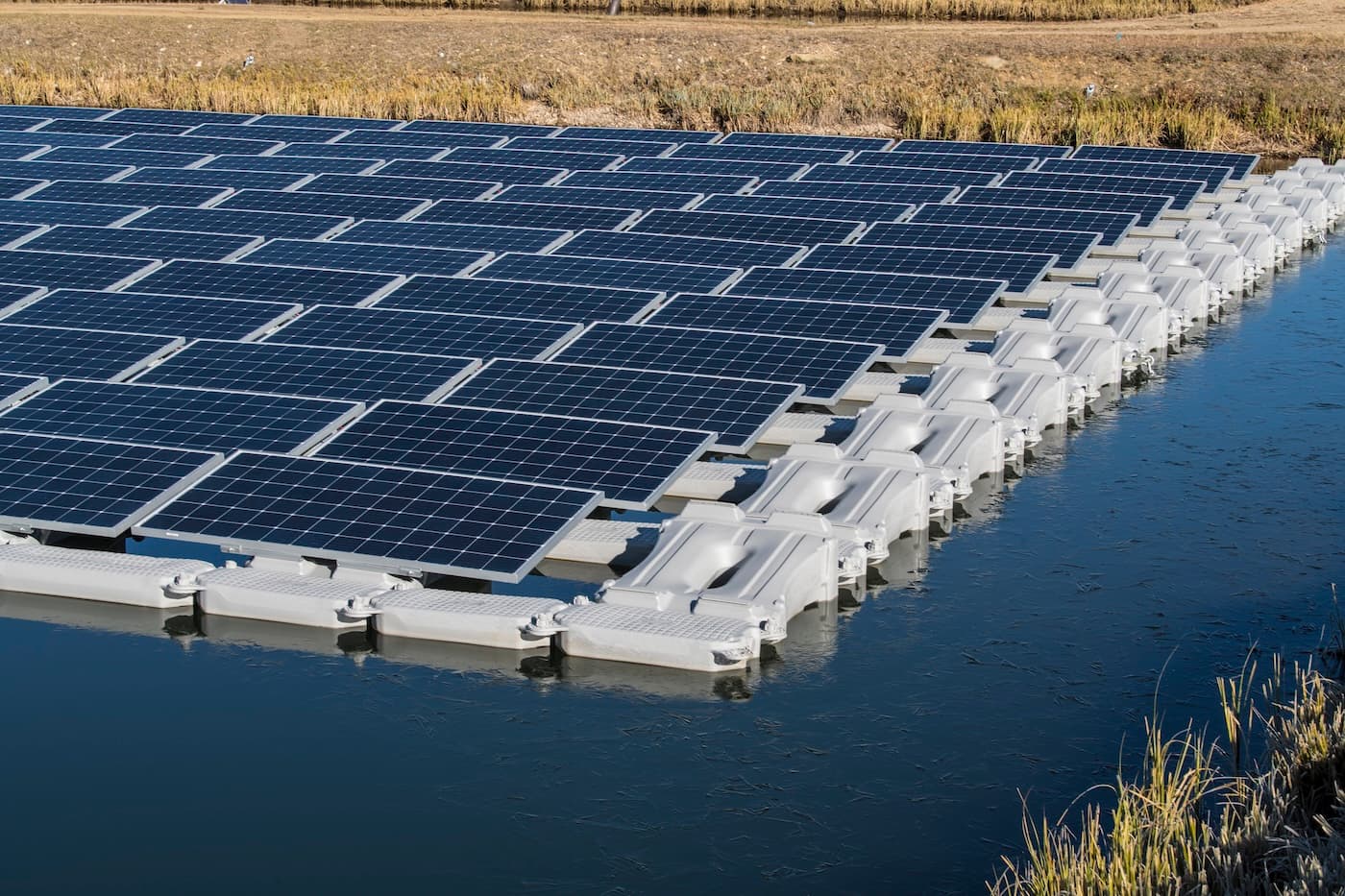
Could floating solar panels replace conventional ones? A new report by CBI Economics assesses the technology’s potential in the United Kingdom. According to the study, with the right policy framework, floating solar systems could provide more than 40 GW of clean energy by 2050—without using a single hectare of agricultural land.
Floating photovoltaic systems (FPV) are solar panels mounted on floating platforms anchored to inland bodies of water, such as reservoirs, lakes, former quarries or industrial basins. The technology used to convert sunlight into electricity is the same as for conventional ground-mounted installations. The key difference is the supporting structure, which uses modular floating elements instead of conventional steel mounts.
Read the full article HERE.
13. NRC approves 80-year operating life for St. Lucie nuclear plant
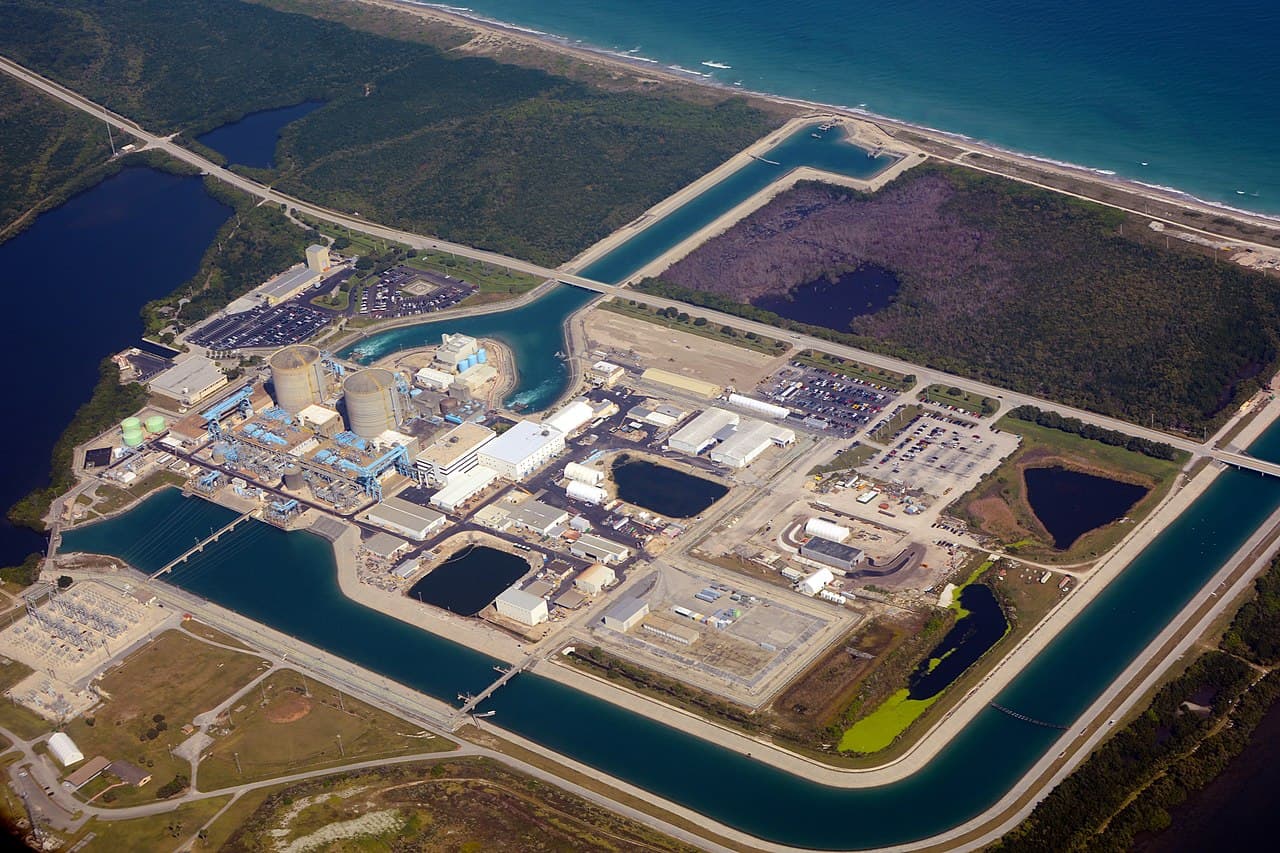
The US Nuclear Regulatory Commission (NRC) has approved a 20-year extension of the operating licences for both units at the St. Lucie nuclear power plant in Florida. Plant operator Florida Power & Light Company (FPL) confirmed that the regulator had approved its application, filed in 2021, for a subsequent licence renewal.
Under the NRC decision, St. Lucie Unit 1 can remain in operation until March 1, 2056, and Unit 2 until April 6, 2063. Both units are therefore licensed to operate for 80 years.
Read the full article HERE.
14. Oil prices rise following latest developments around the Strait of Hormuz
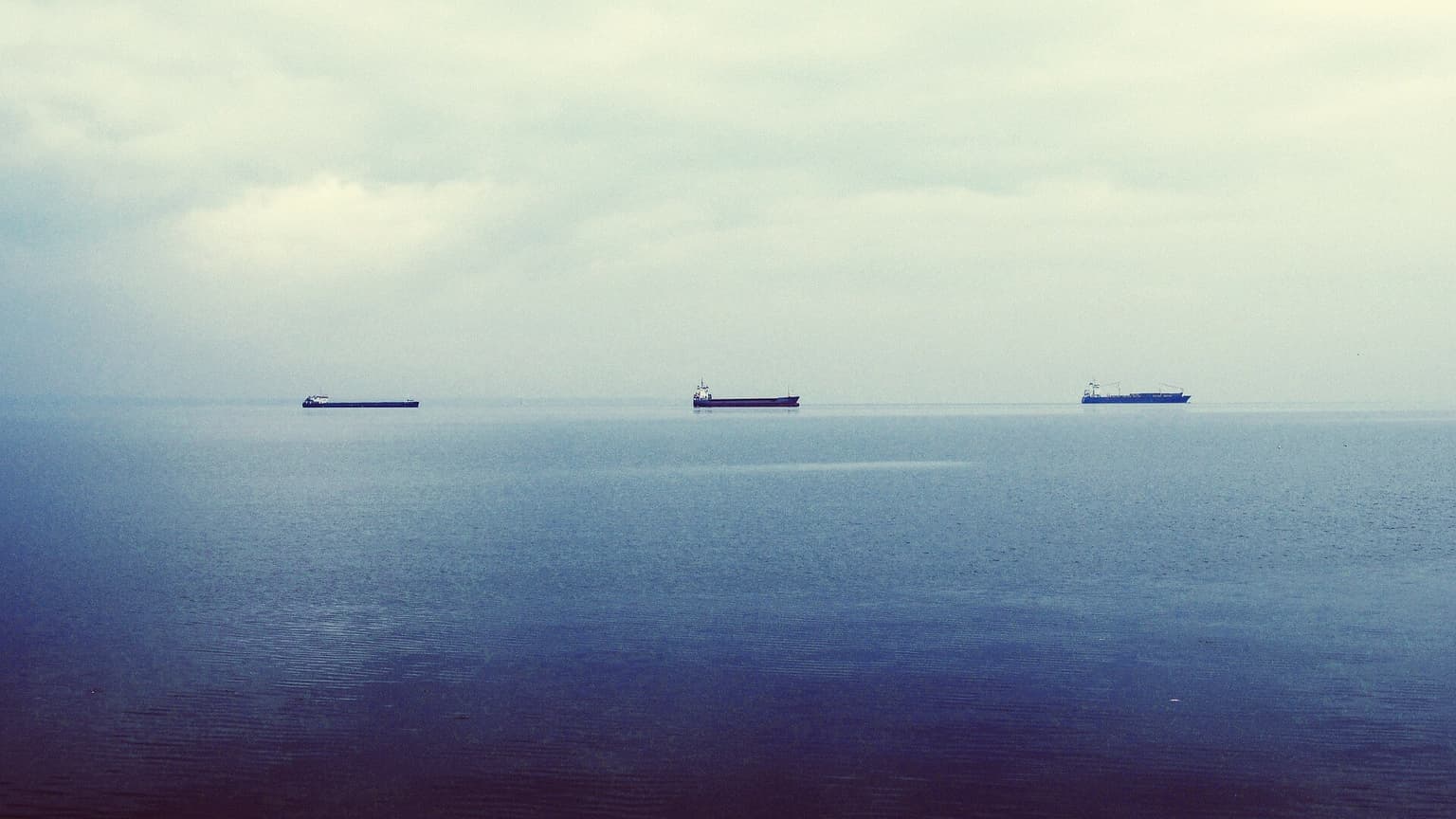
Oil prices are rising on global markets today. This follows US President Donald Trump’s plan to help ships leave the Strait of Hormuz, which has met with skepticism from shipping companies and opposition from Tehran, Bloomberg reported. Brent crude was up 3,6 percent to over 112 dollars a barrel at around 12:45 CEST. At the same time, a barrel of US light crude WTI was up by more than three percent to USD 105,10.
Iran’s armed forces claim to have prevented a US destroyer from entering the Strait of Hormuz, the BBC News website reports. Washington has not yet commented.
Read the full article HERE.
Opinion
What do increasingly frequent negative electricity prices lead to?
At a time of year that is ideal for solar power generation, we are seeing extremely low prices on the electricity spot markets. These prices can even fall to extremely negative levels. Let’s take a look at what this will lead to.
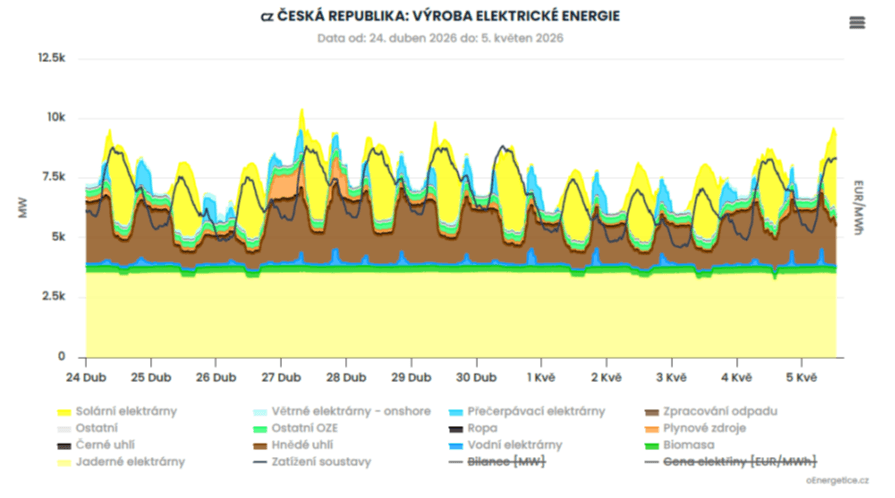
The spring months of April and May are the best time of year for photovoltaic power plants. It is still relatively cool, but the sun is already fairly high in the sky and stays above the horizon for a long time. Higher temperatures reduce the efficiency of photovoltaic cells. Solar power plants therefore feed the most electricity into the grid around midday at this time of year. The Czech Republic currently has more than 5 GWp of installed photovoltaic capacity and, in ideal conditions, can cover a sufficiently large share of the required capacity. Around midday in May, Czech solar power can provide between 70 – 80 % of its declared capacity. That is around 3,8 GWe. Peak demand at that time is between 8 and 10 GW. At the lowest point, demand in Czechia on days in April and May is just over 5 GWe. This shows that the installed capacity in the country is quite well suited to covering the increase in peak daytime demand. This is also apparent in Figure 1, which shows generation and consumption in Czechia at the turn of April and May.
Read the full article HERE.
Energostat: electricity generation in Czechia
Energostat: electricity generation in Germany
Find more up-to-date charts and data on Energostat
Translation disclaimer
This article is a machine translation of the Czech original and has not yet been fully reviewed. In case of any doubt, please refer to the Czech version.